How To Find Affordable Influencers for a Summer Campaign
Key Takeaways
-
Finding affordable influencers for a summer campaign is realistic even on a small budget — 80% of influencer collaborations on Collabstr cost under $300, and the most summer-relevant niches like beauty and fashion sit at the lowest end of the pricing spectrum.
-
UGC campaigns more than doubled year over year and now cost an average of $197 per engagement, giving brands a cost-effective way to produce seasonal content without a large production budget.
-
The most affordable influencer niches (beauty, fashion, gaming, and sports) overlap heavily with the categories that perform best in summer campaigns, meaning brands can find budget-friendly creators in high-demand seasonal verticals.
-
Micro-influencers charge less than their listed rates in practice. There's a consistent gap between asking price and final payout across every platform, which means there's room to negotiate, especially for time-bound summer campaigns.
Why Summer Campaigns Need a Different Approach to Influencer Sourcing
Summer campaigns have a fixed content window, which means the way you find, vet, and hire creators needs to be faster and more deliberate than it would be for an evergreen campaign.
Seasonal urgency changes the hiring equation
Summer campaigns operate on a fixed timeline. Unlike evergreen campaigns that can launch whenever the content is ready, seasonal campaigns are tied to a window that opens in late May and closes by early September. That constraint changes how you source creators, because the usual process of browsing profiles, sending outreach emails, waiting for responses, and negotiating terms can take weeks that you don't have.
For brands working with smaller budgets, that time pressure is even more acute. You can't afford to spend three weeks courting a creator who might not respond, and you can't absorb the cost of a collaboration that misses the seasonal window entirely.
Why your usual influencer search process won't work on a summer timeline
Most brands find influencers through a combination of manual social media searches, agency referrals, and word of mouth. These methods work when you have time, but they fall apart when you're trying to launch a campaign in weeks rather than months.
Manual search is slow and inconsistent. Agency referrals come with markups that eat into a tight budget. And word-of-mouth recommendations might not surface creators who are actually available during your campaign window. Summer is peak season for lifestyle, travel, and beauty creators, so the ones you want are often already booked.
A faster approach is to use an influencer marketplace where creators have already listed their availability, rates, and content samples. This lets you skip the discovery and outreach phases and move directly to booking a creator.
Where To Find Affordable Influencers for a Summer Campaign
The most efficient way to find affordable influencers for a summer campaign is to use an influencer marketplace with transparent pricing, filter by niche and budget, and prioritize creators who are already producing seasonal content in your category.
How do you find micro-influencers for a summer product launch?
Start by narrowing your search to creators who are already producing content in your product category. If you're launching a product like a new skincare line for summer, look for beauty and lifestyle creators who post seasonal content like "summer skincare routines" or "beach-day essentials" rather than creators who happen to have the right follower count but no connection to the category.
On Collabstr, you can filter by niche, platform, and price to find creators who match your product launch goals. Every creator on the platform has set their own rates and built a profile with past work and reviews, so you can evaluate fit quickly without back-and-forth outreach.
For summer product launches specifically, focus on creators in the lifestyle, beauty, fashion, health and fitness, and travel niches. These are the five most in-demand influencer niches on the Collabstr platform based on 2.3 million searches, and they naturally align with summer content.
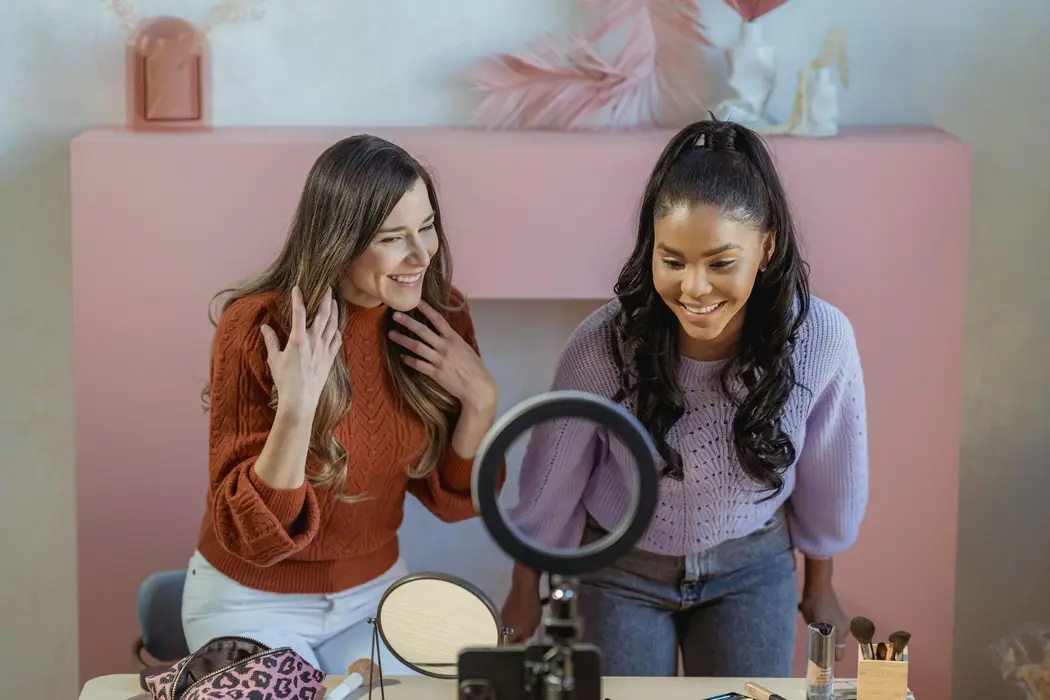
Where to hire micro-influencers for a summer campaign
Influencer marketplaces are the fastest route for budget-conscious brands. Platforms like Collabstr let you browse creators by niche, see their rates upfront, and hire them directly without an intermediary. Payment is held in escrow until the content is delivered and approved, which reduces the financial risk of working with someone new.
You can also find affordable creators by searching your own brand's tags and mentions on social media. Customers who already use and post about your products may be willing to create content in exchange for product or a modest fee, and their endorsement carries the added weight of being a genuine customer.
How to spot creators who already produce summer content organically
The best summer campaign creators don't need to be told what seasonal content looks like. They're already making it. Before hiring, scroll through a creator's recent posts and look for content that reflects summer themes naturally, whether that's outdoor settings, seasonal products, travel content, or warm-weather styling.
Creators who produce seasonal content organically will deliver more authentic results than those who are forcing a summer angle for the first time. Their audience expects this type of content from them, which means better engagement and a more natural fit for your brand.
How Much Do Micro-Influencers Charge for Summer Content?
Most micro-influencer collaborations cost between $150 and $300, depending on the platform and niche. Actual payouts tend to be lower than listed rates, and several of the most summer-relevant niches sit at the affordable end of the pricing spectrum.
Average influencer rates by platform
Pricing varies significantly by platform. According to Collabstr's 2026 Influencer Marketing Report, which analyzed over 472,000 content packages and 21,000 collaborations, average influencer rates break down as follows:
-
TikTok: $182
-
UGC: $180
-
Instagram: $214
-
YouTube: $311
The average payout, what brands actually end up paying after negotiation, is lower across every platform. For example, UGC creators list packages at an average of $180 but the average payout comes in at $154. TikTok creators ask $182 on average but the actual cost to brands is $186. Instagram payouts average $193 against a listed rate of $214.
For brands running a summer influencer campaign on a budget, UGC and TikTok offer the lowest entry points, while Instagram provides a middle ground between reach and cost.
Which niches are most affordable for seasonal campaigns?
Not every niche costs the same. The most affordable influencer niches on Collabstr are beauty ($210 average), cannabis ($214), gaming ($214), fashion ($217), and athlete and sports ($233). Beauty and fashion are particularly relevant for summer campaigns, as they naturally lend themselves to seasonal content formats like summer hauls, outfit-of-the-day posts, and product reviews.
By contrast, the most expensive niches are skilled trades ($309), education ($307), and entrepreneur and business ($295). These are less likely to be relevant for a typical summer consumer campaign, but it's worth knowing where the pricing ceiling sits when you're planning your budget.
How To Run an Affordable Summer Influencer Campaign Without an Agency
You don't need an agency to run a summer influencer campaign. A clear brief, a marketplace that lets creators come to you, and a payment structure that spreads risk across multiple smaller engagements can replace what an agency typically provides, at a fraction of the cost.
Setting up a campaign brief that attracts the right creators
A clear brief is the single most important tool for keeping costs down and timelines tight. Your brief should include the campaign goal, the product or service being promoted, the content format you need (Instagram Reel, TikTok video, UGC), the deadline for content delivery, and any specific messaging or hashtags.
Keep the brief focused, but give creators room to produce content in their own voice. Overly prescriptive briefs tend to result in content that feels like an ad, which defeats the purpose of working with influencers. The most effective influencer content blends brand messaging with the creator's natural style.
On Collabstr, brands can post campaign briefs directly to the marketplace and let creators apply, which flips the traditional outreach model. Instead of spending time finding and pitching creators, the right creators come to you.
How to structure payment to manage seasonal budget risk
For summer campaigns, consider splitting your budget across multiple smaller engagements rather than investing heavily in one or two creators. With 80% of collaborations on Collabstr costing under $300, you could work with four or five creators for around $1,000 to $1,500 total, giving you a range of content styles and audience segments.
Using an escrow-based payment system also reduces risk. You fund the collaboration upfront, but the payment isn't released until the content is delivered and approved. This protects you from paying for content that doesn't meet your standards or doesn't arrive before your campaign window closes.
How To Calculate ROI for a Seasonal Influencer Marketing Push
Measuring ROI on a summer campaign means tracking direct response metrics like promo code redemptions and attributed sales within the campaign window, rather than waiting months for long-tail results.
Which metrics matter for a time-bound campaign?
Seasonal campaigns require tighter measurement than evergreen ones. The metrics that matter most for a summer influencer campaign are direct response indicators: tracked link clicks, promo code redemptions, and attributed sales. These tell you whether the campaign drove action during the window that mattered.
Engagement metrics like likes, comments, shares, and saves are useful secondary indicators but shouldn't be your primary measure of success. Instagram Reels deliver some of the highest reach among content formats, while YouTube videos drive the deepest engagement at 6% on average, according to Collabstr's report. Choose the format that matches your campaign goal, whether that's broad awareness or deeper consideration.
When to measure results on a summer campaign
Don't wait until October to evaluate a summer campaign. Set a measurement window that matches the campaign's active period, typically two to four weeks after the last piece of content goes live. This gives you enough time to capture trailing conversions without letting the data go stale.
Review performance at the creator level, not just the campaign level. Identify which creators drove the strongest results so you can re-engage them for future seasonal pushes, whether that's back-to-school, holiday, or next summer.
Make Your Summer Campaign Count
Summer moves fast, and the brands that get the most out of influencer marketing are the ones that plan early, hire efficiently, and measure within the season. You don't need a large budget or an agency to run a campaign that delivers real results.
Collabstr is the influencer marketplace that connects you with thousands of vetted creators across every niche, budget, and platform. Search by category, compare rates, and hire creators directly, all in one place. Start building your summer campaign today.
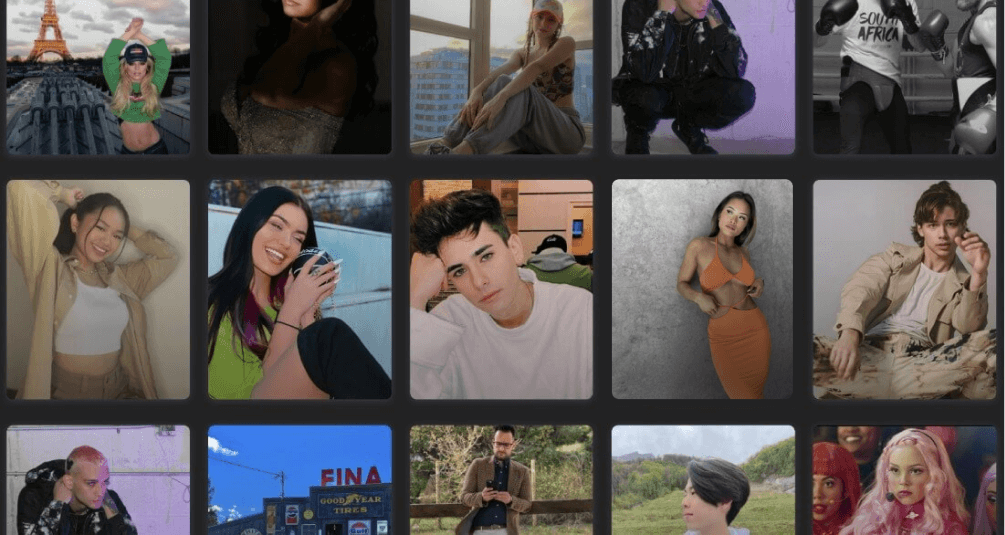
FAQs: How to Find Affordable Influencers for A Summer Campaign
What's the best platform to find creators for a product launch?
An influencer marketplace like Collabstr lets you search by niche, platform, and price, so you can find creators who match your product launch goals without spending weeks on outreach. Creators set their own rates upfront, which speeds up the hiring process when you're working on a launch timeline.
How much should a small business budget for a summer influencer campaign?
Most influencer collaborations cost under $300 per engagement, and UGC content averages around $197. A small business running a summer campaign could realistically work with three to five creators for under $1,000 to $1,500 total, especially when focusing on nano- and micro-influencers in affordable niches like beauty or fashion.
What's the difference between a micro-influencer and a nano-influencer?
Nano-influencers typically have fewer than 10,000 followers and tend to have highly engaged, niche audiences. Micro-influencers sit between 10,000 and 100,000 followers and offer a balance of reach and engagement. Both are strong options for summer campaigns on a budget.
Can you run an influencer campaign with product gifting instead of payment?
Yes, particularly with nano-influencers who are building their portfolios and may accept product in exchange for content. However, paid collaborations tend to give you more control over deliverables, timelines, and content rights, which matters when you're working within a tight seasonal window.
How far in advance should you start planning a summer influencer campaign?
Ideally four to six weeks before your launch date. That gives you enough time to source and vet creators, negotiate terms, ship product if needed, and leave room for content revisions before your campaign goes live.