How to Find Beauty Influencers for Your Brand on a Small Budget
- How do you find beauty influencers for your brand on a small budget?
- What counts as an affordable beauty influencer?
- Why beauty brands should work with nano and micro-influencers
- How to vet beauty influencers before spending your budget
- How to run a small-budget beauty influencer test campaign
- Common mistakes beauty brands make when hiring influencers on a budget
- Find affordable beauty influencers with Collabstr
- Frequently Asked Questions
Key Takeaways
-
Small beauty brands can find affordable influencers by using influencer marketplaces, searching by beauty niche, working with nano and micro-influencers, and testing UGC creators.
-
The best beauty influencers for a small budget are not always the cheapest. They are the creators whose audience, content quality, rates, and deliverables match your campaign goals.
-
Beauty brands can avoid wasting budget by comparing creator rates upfront, starting with a small beauty campaign, and choosing creators based on relevance
How Do You Find Beauty Influencers for Your Brand on a Small Budget?
You can find beauty influencers for your brand on a small budget by using influencer marketplaces like Collabstr to work with nano and micro-influencers, or by hiring UGC creators.
The goal is to find creators who can make your beauty product feel credible, useful, and relevant to the people you want to reach. For a skincare brand, that might mean a creator who regularly posts sensitive skin routines. For a makeup
Small-budget influencer marketing works best when brands focus on fit before reach. A creator with a smaller audience can still drive strong results if their followers trust their recommendations and their content naturally matches your product category.
What Counts as an Affordable Beauty Influencer?
An affordable beauty influencer is not just a creator with a low rate. An affordable creator is someone whose cost makes sense for the value they bring to your campaign.
In Collabstr’s annual Influencer Marketing Report 2026, beauty was the most affordable influencer niche, with an average engagement fee of $210. For small beauty brands, that means creator partnerships do not have to start with macro-influencer budgets. With the right niche, platform, and creator fit, beauty brands can build affordable campaigns around nano-influencers, micro-influencers, and UGC creators.
Affordability depends on several factors, including:
-
The creator’s platform
-
Their follower count and engagement
-
The content format
-
The number of deliverables
-
Usage rights
-
Exclusivity
A creator with a slightly higher rate may be more cost-effective if they produce content you can repurpose across multiple channels.
Why Beauty Brands Should Work With Nano and Micro-Influencers
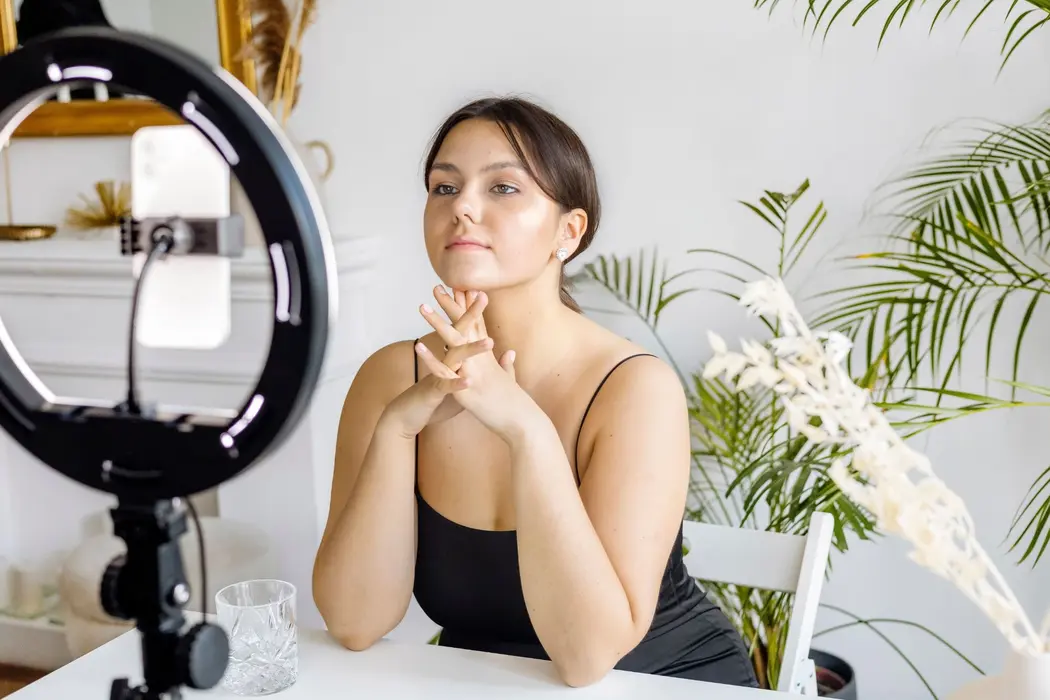
Nano and micro-influencers are often a strong fit for small beauty brands because their audiences tend to be more focused and community-driven.
Beauty is personal. People follow creators because they trust their taste, their skin journey, their makeup style, their hair routine, or their honest product reviews. That trust does not always scale with follower count. In many cases, smaller creators have built closer relationships with their audiences because their content feels more specific and less polished.
For small beauty brands, nano and micro-influencers can be useful because they usually offer:
-
Lower collaboration rates
-
More niche audiences
-
Stronger audience familiarity
-
More flexible partnership options
-
Better opportunities for testing
-
More authentic product feedback
Instead of spending your full budget on one large creator, you can often work with a small group of more focused creators and compare which content, audience, or product angle performs best.
Use an influencer marketplace to compare beauty creator rates
An influencer marketplace like Collabstr is one of the simplest ways to find affordable beauty influencers because it gives brands a clearer view of creator options, rates, content examples, and available packages.
Instead of manually searching social platforms, sending cold DMs, waiting for replies, and negotiating without a benchmark, brands can use a marketplace to search for creators directly. This is especially useful for small beauty brands that need to control costs and avoid spending too much time on sourcing.
With an influencer marketplace, you can usually search by:
-
Beauty niche
-
Platform
-
Location
This makes it easier to compare creators before starting a collaboration.
Collabstr helps brands find and hire beauty influencers and UGC creators across Instagram, TikTok, YouTube, and more. Brands can search by niche, review creator profiles, compare rates, and hire creators directly without relying on agency-managed outreach.
Look for nano and micro beauty influencers
Nano and micro beauty influencers are often easier to work with on a small budget because their rates are usually more accessible than larger creators.
Smaller creators can be highly valuable because they often speak to a more defined community. Their followers may know their skin type, trust their product opinions, and pay attention when they recommend something new.
A smaller creator with thoughtful comments and strong product education may be more useful than a larger creator whose audience does not actively engage.
Work with UGC creators for beauty product content
UGC creators are a good option when your main goal is content production rather than influencer reach.
Traditional influencers usually create sponsored content and post it to their own audience. UGC creators usually create content for the brand to use on its own channels. That content can then be used in paid ads, product pages, landing pages, email campaigns, organic social, and other marketing assets.
For beauty brands, UGC can be especially useful because buyers often want to see the product in action before purchasing.
Check tagged posts, comments, and competitor collaborations
Some of the best affordable beauty influencers may already be talking about products like yours.
Start by checking your own tagged posts, mentions, comments, reviews, and customer content. If someone has already bought, used, or posted about your product, they may be more likely to collaborate because the interest is already there.
Try affiliate collaborations
Affiliate partnerships can help brands manage risk. Instead of paying only for reach, brands can offer creators a commission on sales, clicks, or conversions. This works especially well when paired with a small upfront fee or product gifting.
For beauty brands, affiliate and ambassador programs can also support longer-term creator relationships. If a creator genuinely likes the product, they can mention it repeatedly across routines, tutorials, favorites videos, and product updates.
Ask creators what they can offer within your budget
Negotiating with beauty influencers does not have to mean asking them to lower their rate for the same amount of work. A better approach is to share your budget and ask what package or scope makes sense within it.
For example, instead of asking for an Instagram Reel, three Stories, raw footage, paid usage rights, and exclusivity at a lower price, you might adjust the deliverables. You could ask for one short-form video instead of multiple posts. You could remove exclusivity. You could limit usage rights. You could request raw footage instead of a fully edited video. You could offer an affiliate commission or discuss a longer-term relationship after the first campaign.
Good negotiation should make the scope fit the budget. It should not undervalue the creator’s work.
How to Vet Beauty Influencers Before Spending Your Budget
Finding affordable beauty influencers is only half the job. You also need to make sure they are credible, relevant, and able to create the kind of content your product needs.
Beauty brands should vet creators more carefully than some other categories because the content often involves product claims, visible results, skin concerns, shade matching, hair types, ingredients, and before-and-after comparisons.
Before hiring a beauty influencer, review:
-
Do they show product application clearly?
-
Is their lighting natural and consistent?
-
Do they use filters that could misrepresent results?
-
Do they understand your product category?
-
Do their comments show real audience trust?
-
Are followers asking product-related questions?
-
Have they worked with similar brands?
-
Does their content style fit your brand?
-
Would their audience understand why they are recommending your product?
The right creator should not only make the product look good. They should make the product feel trustworthy.
How to Run a Small-Budget Beauty Influencer Test Campaign
A small-budget campaign should be treated as a test, not a final answer.
Instead of trying to reach everyone, start with one clear goal. That might be getting product demo content, generating awareness for a launch, testing messaging, collecting UGC for ads, or driving sales with affiliate codes.
Then choose one hero product and one main platform. This keeps the campaign focused and makes performance easier to compare.
A simple test campaign might include:
-
One product
-
One primary audience
-
One main platform
-
A small group of creators
-
One clear brief
-
Unique links or codes
-
Basic performance tracking
-
A plan to reuse the strongest content
Your brief should give creators enough direction without making the content feel scripted. Include the product benefits, key talking points, must-avoid claims, disclosure requirements, and deliverables. But leave room for creators to speak in their own style. Their audience follows them for their voice, not yours.
Track both performance and content quality. Metrics like clicks, saves, comments, engagement, code redemptions, and conversions matter. But so do qualitative signals. Did the creator explain the product well? Did the comments show buying intent? Did people ask where to buy it? Did the content feel natural? Could the brand reuse it?
Once the campaign ends, rebook the creators who performed well. A strong small-budget influencer strategy is not about constantly starting from scratch. It is about finding creators who work, building relationships, and improving each campaign over time.
Common Mistakes Beauty Brands Make When Hiring Influencers on a Budget
One common mistake is chasing follower count instead of relevance. A creator with a large audience may look impressive, but if their followers are not interested in your product category, the campaign may underperform. A smaller creator with a more specific audience can often be a better fit.
Another mistake is spending the entire budget on one creator. This leaves no room to test different audiences, formats, or messages. A small campaign across several relevant creators can give you more learning and more content variety.
Brands also often forget to clarify usage rights. If you want to use a creator’s video in paid ads, on your website, or in email campaigns, that needs to be agreed upfront. Otherwise, you may end up paying for content you cannot legally reuse.
Other common mistakes include:
-
Sending vague briefs
-
Asking for too many deliverables
-
Expecting product-only collaborations from established creators
-
Ignoring audience fit
-
Hiring creators who do not regularly make beauty content
-
Over-controlling the creative direction
-
Failing to track performance
-
Not rebooking creators who perform well
The best small-budget campaigns are clear, focused, and realistic. They match the creator to the product, the deliverables to the budget, and the campaign goal to the content format.
Find Affordable Beauty Influencers With Collabstr
Collabstr helps brands find and hire beauty influencers and UGC creators directly across Instagram, TikTok, YouTube, and more.
For small beauty brands, this makes creator sourcing easier because you can search by niche, compare creator rates, review past work, and choose creators that fit your budget before starting a collaboration.
With Collabstr, beauty brands can:
-
Search for beauty influencers and UGC creators
-
Filter by platform, niche, location, and price
-
Compare creator rates upfront
-
Review creator profiles and content examples
-
Hire creators directly
-
Build small-budget beauty campaigns without agency overhead
Whether you are launching a skincare product, testing UGC for paid ads, building awareness for a makeup brand, or finding creators for a product seeding campaign, Collabstr makes it easier to find affordable beauty influencers that match your goals.
Find and hire beauty influencers today.
Frequently Asked Questions: How to Find Beauty Influencers
How do I find beauty influencers for my brand?
You can find beauty influencers for your brand by using influencer marketplaces like Collabstr and looking for creators who already make content around your product category. Instead of searching only for broad beauty influencers, look for creators who speak to your specific audience, such as skincare creators, makeup creators, haircare creators, fragrance reviewers, or UGC creators.
Where can I hire affordable beauty influencers?
You can hire affordable beauty influencers through influencer marketplaces like Collabstr, social platforms like TikTok and Instagram, UGC creator platforms, and direct outreach. Marketplaces are especially useful for small brands because they make it easier to compare creator rates, review content examples, and hire creators directly.
What are the best platforms to find beauty influencers?
The best platforms to find beauty influencers include influencer marketplaces like Collabstr, TikTok, Instagram, YouTube, and UGC creator platforms. The right platform depends on your goal. TikTok and Instagram are useful for short-form beauty content, YouTube is useful for deeper reviews and tutorials, and UGC platforms are useful when you need reusable product content for ads, product pages, or organic social.
How do I find beauty micro-influencers on a small budget?
To find beauty micro-influencers on a small budget, search by niche instead of follower count. Look for creators who post about specific beauty topics, such as acne skincare, curly hair, SPF, makeup tutorials, fragrance layering, or clean beauty. You can also use creator marketplace filters to compare micro-influencers by platform, price, location, and content style.
Can I find beauty influencers open to product-only collaborations?
Yes, some beauty influencers are open to product-only collaborations, especially nano-influencers, emerging creators, or creators who are genuinely interested in your product. Product-only collaborations work best when the product has clear value, the ask is simple, and the creator has freedom to share honest feedback. If you need specific deliverables, usage rights, approvals, or deadlines, it is usually better to offer payment, affiliate commission, or a combination of product and creator fee.