How to Find Influencers for a Product Launch (And Which Platform to Use)
- Key Takeaways
- Influencer Marketing for Different Types of Product Launches
- Should You Use Micro-Influencers or Macro-Influencers for a Product Launch?
- How Far in Advance Should You Start Influencer Outreach for a Product Launch?
- What Platform Do Brands Use to Find Influencers for a Product Launch?
- How to Hire Creators for a Product Launch Without Wasting Time
- How Many Influencers Do You Need for a Product Launch?
- What Should You Include in a Product Launch Influencer Brief?
- How Much Does Influencer Marketing for a Product Launch Cost?
- Frequently Asked Questions
Influencer marketing has become one of the most effective channels for launching a new product. When the right creator introduces your product to an audience that already trusts them, it drives awareness, builds credibility, and can move real purchase decisions in a way that paid ads alone rarely do.
But finding the right influencers for a product launch is a different challenge from running an always-on creator program. The timeline is compressed, the stakes are higher, and the wrong creator hire costs you more than budget. It costs you launch momentum.
According to Collabstr's 2026 Influencer Marketing Report, 80% of brand collaborations cost under $300, and the creator pool continues to expand. Lower prices and more options don't automatically mean better results. Knowing how to find influencers for a product launch is essential for reaching consumers who spend significant time on social media.
This guide covers how to find influencers for a product launch, which creator type fits your specific goal, how to hire and brief them efficiently, and which platform makes the whole process faster.
TL;DR
Most brands approach influencer hiring for launches reactively. They search too late, optimize for follower count over fit, and skip the brief. What actually drives launch performance is matching creator type to your specific goal, starting outreach earlier than feels necessary, and using a platform that gives you direct access to vetted creators with transparent pricing. Collabstr is built for exactly this use case.
Key Takeaways
-
Micro-influencers typically outperform macro-influencers for product launches: higher engagement, lower cost, faster turnaround
-
Start influencer outreach at least 4–6 weeks before launch
-
A dedicated influencer marketplace gives you faster access, transparent pricing, and vetted creators without agency fees.
-
Influencer marketing is accessible at every budget. Most collaborations on Collabstr cost under $300
Influencer Marketing for Different Types of Product Launches
Not all product launches are the same, and the influencer strategy that works for a DTC skincare brand won't map directly onto a B2B SaaS rollout. Here's how influencer marketing fits across the most common launch types.
E-commerce and DTC
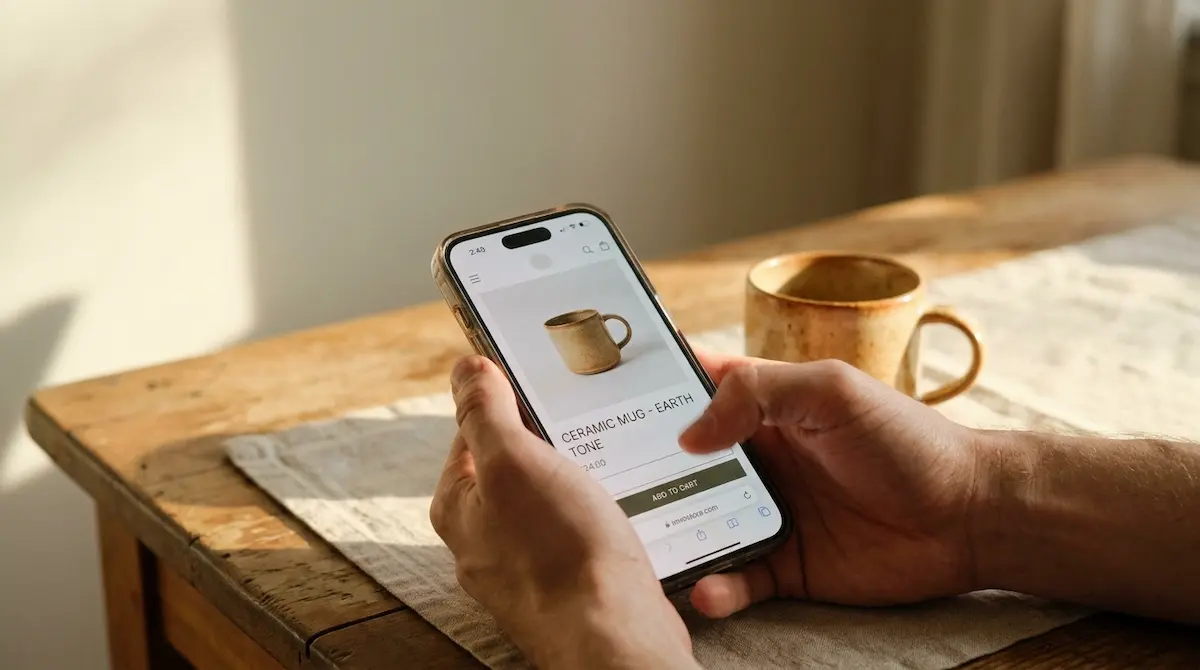
The most established use case. Creators unbox, review, and demonstrate physical products to audiences who are already in a buying mindset. UGC generated during the launch can be repurposed directly into paid social ads, extending the value well beyond the campaign window.
B2B SaaS
Influencer marketing works differently here. The relevant creators are practitioners — operators, marketers, founders, or developers with engaged professional followings who speak credibly about tools and workflows. A well-placed review or walkthrough from a trusted voice in your category carries significant weight with a buyer who is actively evaluating software.
Consumer apps and digital products
Speed matters most at launch. Creators who can generate early download volume and social proof within the first 48–72 hours help tip algorithmic momentum in your favor. Micro-influencers in the relevant niche often move faster and cost less than larger names, making them the smarter default for this category.
Food, beverage, and CPG
Lifestyle and niche food creators are especially effective here, particularly on TikTok and Instagram. Taste, texture, and visual appeal translate well to short-form video, and the category lends itself to authentic creator reactions over scripted content.
Retail and in-store launches
Geo-targeted influencers with local audiences can drive foot traffic and in-store awareness, particularly for regional rollouts. Coordinating posting timing around launch day is key to generating the concentrated buzz that a retail launch needs.
What Do You Actually Need Influencers to Do at Launch?
Before you open any platform or search for creators, answer one question: what is this influencer campaign actually for?
Awareness, conversion, and UGC are three distinct goals — and each one requires a different creator profile. A launch campaign built for awareness needs reach: creators with engaged audiences in your category who can put the product in front of new eyes. A conversion-focused campaign needs credibility and trust: creators whose audiences actually buy what they recommend. A UGC campaign needs content output: creators who produce clean, on-brand content you can repurpose across paid ads and owned channels.
Using a macro-influencer for a UGC campaign, or a micro-influencer with a disengaged audience for a conversion push, are both expensive mistakes. The creator type follows from the goal. Get this right before you search for anyone.
Should You Use Micro-Influencers or Macro-Influencers for a Product Launch?
For most product launches, micro-influencers are the stronger choice, and the data backs this up.
Micro-influencer campaigns can deliver 4-7x better engagement per dollar spent compared to working with larger creators. They also move faster: micro-influencers typically have shorter lead times, more flexible availability, and lower rates. On Collabstr, the average TikTok collaboration costs $217 and the average Instagram Reel runs $288 — making it entirely feasible to activate a meaningful group of creators on a realistic launch budget.
Macro-influencers still have a role, particularly for launches where brand perception and mass awareness are the primary goal. But they require more lead time, higher budgets, and more negotiation. For most brands launching a new product — especially without agency support — a focused group of 8–15 micro-influencers in your exact niche will outperform a single macro post at a fraction of the cost.
How Far in Advance Should You Start Influencer Outreach for a Product Launch?
Earlier than you think. The most common mistake brands make with launch influencer campaigns is starting the search too late.
Micro-influencers (under 50K followers): Minimum 4-6 weeks out. These creators move quickly and are generally easier to brief and onboard, but you still need time to vet, negotiate, brief, and review content before it goes live.
Macro-influencers (50K–500K followers): Minimum 6-8 weeks out. Larger creators often have packed calendars, longer content review cycles, and more contractual requirements.
Coordinated multi-creator campaigns: 8-12 weeks minimum. If you're activating multiple creators simultaneously for a coordinated launch-day push, you need the additional lead time to manage briefs, approvals, embargo coordination, and posting schedules across the group.
Build your timeline backwards from launch day. If you need content live on a specific date, that date determines when outreach needs to start.
What Platform Do Brands Use to Find Influencers for a Product Launch?
The most efficient way to find influencers for a product launch is through a dedicated influencer marketplace. Not manual social media searching, not a spreadsheet of DMs, and not an agency retainer.
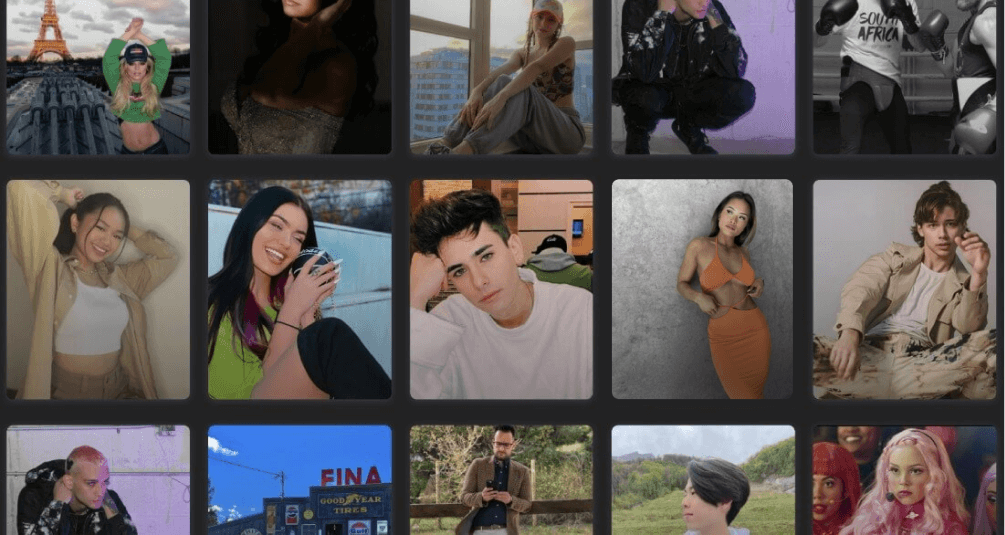
Collabstr is the platform brands use to find, hire, and manage creators for product launches. With over 200,000 vetted creators across Instagram, TikTok, and YouTube, transparent upfront pricing, and no subscription required, it's built for exactly the speed and flexibility a launch demands. Brands can browse creators by niche, audience demographics, platform, and budget, then purchase content packages or send custom offers directly. Payments are held in escrow until content is delivered and approved.
For a product launch specifically, the advantages of a marketplace over manual outreach are significant. You can see creator pricing before you reach out, vet engagement quality without guesswork, and move from discovery to live content in days rather than weeks. You're not waiting on an agency to come back with a shortlist. You're in control of the timeline.
How to Hire Creators for a Product Launch Without Wasting Time
Fast doesn't mean careless. The brands that move quickest through creator discovery are the ones who know exactly what they're looking for before they start. There are three alignment checks that actually predict whether a creator will perform for your launch.
Content fit: Does the creator's existing content match the format and tone you need? A creator who posts polished lifestyle content won't naturally produce the raw unboxing video you're briefing. Look at their last 20 posts before you reach out.
Audience fit: Does their audience match your target customer? Follower count is irrelevant if the demographic is wrong. On Collabstr, creator profiles include audience data so you can verify this before committing.
Niche depth: A creator with 8,000 highly engaged followers in your exact product category will outperform a 200K generalist every time. For a launch, you want creators who are already trusted voices in the space your product lives in.
Skipping any one of these checks is where launch campaigns quietly fail. Not because the creator was bad, but because the fit was wrong from the start.
How Many Influencers Do You Need for a Product Launch?
There's no universal number, but there is a framework.
For awareness-focused launches, volume matters. A coordinated group of 10–20 micro-influencers posting within the same window creates social proof and momentum that a single large creator can't replicate. The simultaneous signal across multiple accounts makes the product feel like something people are already talking about.
For conversion-focused launches, quality over quantity. Three to five creators with highly engaged, niche audiences and a proven track record of driving purchases will outperform a roster of ten mid-tier creators who generate impressions but not action.
For UGC-focused launches, think in terms of content output. How many assets do you need for paid ads, organic posts, and email? Work backwards from the content volume you need and commission accordingly. Typically 5–10 creators gives you enough variety to test formats and creative angles.
Budget is the real constraint in most cases. With average collaboration costs under $300 on Collabstr, even a modest launch budget can activate a meaningful number of creators.
What Should You Include in a Product Launch Influencer Brief?
A product launch brief is not a standard campaign brief. The stakes are higher, the timing is tighter, and there are launch-specific elements that don't apply to an always-on campaign.
Every launch brief should include:
-
Embargo date and go-live window. The exact date and time content can be published. Non-negotiable for a coordinated launch.
-
Product context. What it is, what problem it solves, and what's genuinely new or different about it. Don't make creators guess.
-
Key messages. Two or three points you want the audience to take away. Not a script. A direction.
-
Platform and format specs. Whether you need a TikTok video, an Instagram Reel, a static post, or a Story. Be specific.
-
What not to say. Any claims, comparisons, or language that's off-limits. This is especially important for regulated categories.
-
Content approval process. Whether you need to review drafts before posting, and the turnaround time you're committing to.
-
Usage rights. If you plan to repurpose the content for paid ads, establish this upfront. Adding usage rights after the fact increases cost significantly.
The biggest brief mistake is over-prescribing. Telling a creator exactly what to say, how to frame the shot, and what caption to write kills the authenticity that makes influencer content work. Give creators the information and guardrails they need, then trust them to make content their audience will actually watch.
How Much Does Influencer Marketing for a Product Launch Cost?
According to Collabstr's 2026 Influencer Marketing Report, the average spend per collaboration has dropped to $202, with Instagram Reels averaging $288 and TikTok videos averaging $217. 80% of brand collaborations on the platform cost under $300 total.
For a product launch, a realistic budget framework looks like this:
-
Small launch (5–10 micro-influencers, UGC or social posts): $1,000-$3,000
-
Mid-size launch (10–20 micro-influencers, coordinated posting): $3,000-$8,000
-
Larger launch (mix of micro and macro, multi-platform): $10,000+
Treat published rates as a starting point. Many creators are open to negotiation, especially for product seeding, long-term partnership potential, or launches they're genuinely excited about. If you're also granting usage rights for paid ads, factor in an additional 30-40% on top of the base rate and negotiate this upfront.
Find and Hire Influencers for Your Product Launch on Collabstr
Collabstr is the fastest way to find vetted creators for a product launch. No agency, no subscription, no guesswork. Browse over 200,000 creators across Instagram, TikTok, and YouTube, see transparent pricing upfront, and go from discovery to live content in days. Whether you're running your first launch campaign or scaling a creator program, Collabstr gives you the access and control to make it work.
Frequently Asked Questions
What is the best platform to find influencers for a product launch?
Collabstr is the most efficient platform for finding influencers for a product launch. It gives brands direct access to over 200,000 vetted creators with transparent upfront pricing, no subscription required, and escrow-protected payments
How many influencers do you need for a product launch?
For awareness, 10-20 micro-influencers posting in a coordinated window creates strong social proof. For conversion, 3–5 high-engagement niche creators typically perform better. For UGC, base the number on how many content assets you need. Most small-to-mid-size launches can run effectively with 5-15 creators.
How much does influencer marketing for a product launch cost?
Most collaborations on Collabstr cost under $300. A focused launch campaign with 5–10 micro-influencers typically runs between $1,000 and $3,000. Mid-size coordinated campaigns with 10-20 creators range from $3,000 to $8,000. Larger multi-platform launches start at $10,000 and up, depending on creator tier and usage rights.
How far in advance should you reach out to influencers for a product launch?
Start outreach at least 4–6 weeks before launch for micro-influencers, and 6–8 weeks for macro-influencers. For coordinated multi-creator campaigns, allow 8–12 weeks. Starting late is the most common reason launch influencer campaigns underperform.
What's the difference between micro and macro influencers for a product launch?
Micro-influencers (typically under 50K followers) offer higher engagement rates, lower costs, faster turnaround, and stronger niche audience trust, making them the better default for most launch campaigns. Macro-influencers deliver broader reach and brand perception lift, but require larger budgets and longer lead times. Most launches benefit from a micro-first strategy, with macro creators added if budget allows.
How do you brief influencers for a product launch?
A launch brief must include an embargo date and go-live window, product context, key messages (not a script), platform and format specs, any off-limits language, the content approval process, and usage rights if applicable. Keep it focused. Over-briefing kills the authenticity that makes creator content perform.
Can small brands use influencer marketing for a product launch?
Yes. With average collaboration costs under $300 on Collabstr and no subscription required, small brands can run effective launch campaigns by focusing on a handful of highly relevant micro-influencers rather than chasing reach. A tight, well-briefed group of niche creators will outperform a scattershot approach at any budget level.
What platforms do brands use to hire creators?
Brands use influencer marketplaces like Collabstr to hire creators directly, without agency intermediaries. Collabstr lets brands search vetted creators by niche, platform, audience demographics, and budget, then hire and pay them through a single platform with escrow-protected transactions. Other options include Aspire, GRIN, and Upfluence, though these typically require subscriptions and are built for larger teams managing complex campaigns.