5 Ways to Find Influencers for Your Affiliate Program
- What Is an Affiliate Influencer?
- Why Affiliate Influencers Outperform Traditional Affiliates
- Where Affiliate Influencers Work Best
- How to Measure ROI From Your Influencer Affiliate Program
- How to Find Influencers for Your Affiliate Program
- What to Offer When You Recruit Influencers for Affiliate Marketing
- Start Building Your Affiliate Influencer Roster Today
- Frequently Asked Questions
Affiliate influencers are becoming one of the most effective ways to run a performance-driven creator program. They bring engaged audiences, trusted recommendations, and content that keeps working long after it's posted.
The influencer marketing industry is on track to reach $22.2 billion in 2026, and the average cost per collaboration has dropped to $202 — meaning the economics of working with affiliate influencers have never been more brand-friendly. The question isn't whether to recruit influencers into your affiliate program. It's how to find the right ones.
Here are five methods that work.
TLDR;
Affiliate influencers are creators who promote your brand on a commission basis rather than a flat fee — and they're fast becoming the highest-converting partners in performance marketing. With the average influencer collaboration now costing just $202, the economics are accessible for brands at most budget levels. The best places to find them: influencer marketplaces like Collabstr, your competitor's tagged content, your own customer base, your existing affiliate roster, and niche hashtags and communities on Instagram and TikTok.
Key Takeaways
-
Affiliate influencers combine the trust of creator content with the accountability of performance-based marketing
-
The best affiliate influencers already create content in your niche and have audiences primed to act on recommendations
-
Influencer affiliate programs work across ecommerce, beauty, and B2B — the approach just needs to be tailored
-
Measuring ROI from affiliate influencers is more straightforward than traditional influencer campaigns, thanks to tracking links and promo codes
-
Influencer marketplaces like Collabstr are the fastest starting point for finding and recruiting affiliate influencers at scale
What Is an Affiliate Influencer?
An affiliate influencer is a content creator who promotes a brand's products or services in exchange for a commission on the sales or actions they drive, rather than a flat upfront fee. Instead of being paid to post, they earn based on performance — typically tracked through a unique discount code or referral link tied to their content.
It's the influencer marketing model meets performance marketing accountability. The creator gets a recurring revenue stream tied to content they're already producing. The brand gets promotion that only costs money when it works.
Why Affiliate Influencers Outperform Traditional Affiliates
Traditional affiliates tend to capture demand that already exists. They intercept buyers who are already close to a purchase decision and nudge them over the line. That's useful, but it's not the whole picture.
Affiliate influencers do something different. They create demand.
Influencer audiences follow creators specifically because they trust their recommendations. When a creator shares a product — through a review, a tutorial, a "what I'm using lately" post — it lands differently than a banner ad or a coupon link. Followers are primed to act on it.
That trust has measurable value. Audiences built around niche creators expect product recommendations and respond to them, which is why affiliate marketing for influencers tends to outperform traditional affiliate channels on conversion quality, not just volume. You're not just capturing clicks. You're reaching people who were persuaded.
Add to that the content itself. An influencer affiliate doesn't just drive a transaction; they produce a piece of creative that lives on your product page, in your ads, and across social long after the campaign ends. That's a byproduct of the affiliate relationship that a coupon site simply cannot offer.
Where Affiliate Influencers Work Best
Influencer affiliate programs aren't one-size-fits-all, but they're more versatile than most brands assume. Here's how the model plays out across three different contexts.
Ecommerce and DTC brands
This is where influencer affiliate programs are most established and most effective. Short consideration cycles, impulse-friendly price points, and the visual nature of social content make ecommerce the natural home for affiliate influencers.
Unique discount codes and trackable links fit seamlessly into the kind of content ecommerce creators already make — hauls, reviews, get-ready-with-me videos, product comparisons. Fashion, beauty, lifestyle, health and fitness, and food and drink are the top in-demand niches on Collabstr, and they're also the categories where affiliate influencer programs consistently perform.
Beauty and lifestyle brands
Beauty deserves its own mention because the review and tutorial format is essentially native affiliate content. A skincare creator walking through their routine, a makeup artist showing a full-face tutorial, a wellness influencer breaking down their supplement stack — this content drives purchase intent in a way that feels organic rather than advertorial.
Audiences in these niches follow creators specifically to discover products. The affiliate structure aligns perfectly with that behavior: the creator recommends, the audience buys, the creator earns. Everyone wins.
B2B brands
The B2B use case for affiliate influencers is newer but growing fast. The entrepreneurship and business niche is one of the fastest-growing segments on Collabstr, driven in part by the rise of creators building audiences around tools, productivity, and professional development.
SaaS companies, consultancies, and professional tools brands are increasingly running influencer affiliate programs where niche thought leaders — LinkedIn creators, YouTube educators, podcast hosts — drive software trials, demo sign-ups, and free account registrations on a performance basis. The commission structure works differently than ecommerce (longer sales cycles, higher deal values), but the fundamental logic is the same: trusted recommendation, trackable result.
How to Measure ROI From Your Influencer Affiliate Program
One of the underrated advantages of working with affiliate influencers is that measurement is more straightforward than traditional influencer campaigns. Instead of trying to attribute sales to an awareness post, you have hard data to work with.
The core measurement tools are simple:
Unique tracking links. Each affiliate influencer gets their own link. Every click and conversion traces back to them directly. This gives you direct attribution without relying on last-click guesswork.
Promo codes. Discount codes tied to individual creators are easy to distribute, easy to use, and easy to track. They also give the influencer something tangible to offer their audience, which can lift conversion rates.
Commission attribution. Your affiliate platform tracks which influencer drove which sale, giving you revenue data you can act on — who to scale, who to replace, and where to invest more.
Beyond the transactional metrics, it's worth tracking engagement on the content itself. An affiliate influencer with strong views and click-through but modest conversions might be a niche-fit issue rather than a performance problem. Use the data to diagnose, not just to rank.
How to Find Influencers for Your Affiliate Program: 5 Methods
Finding the right affiliate influencers is a recruitment exercise, not a casting call. Here are five approaches that work, depending on where your brand is starting from.
1) Use an influencer marketplace
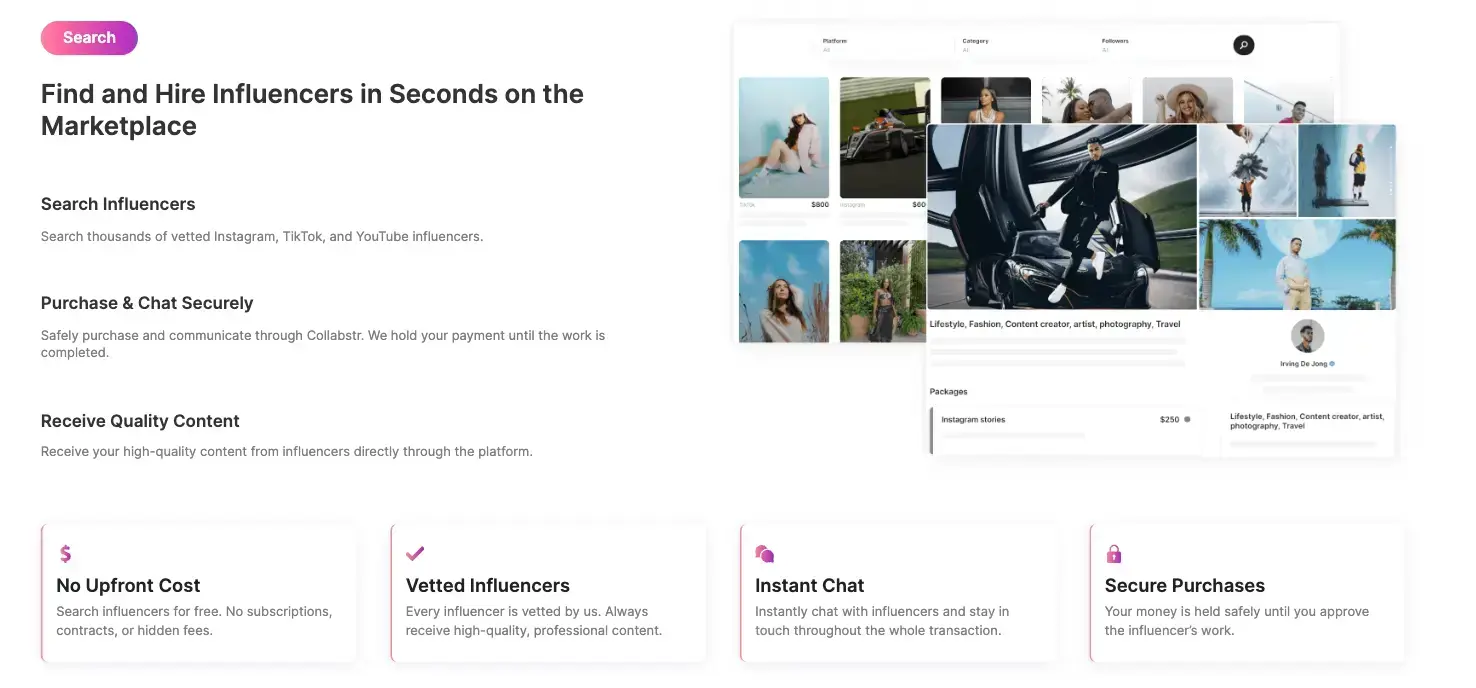
The fastest and most efficient way to recruit influencers for affiliate marketing is through a marketplace where creators are already set up to work with brands.
On Collabstr, you can search across Instagram, TikTok, and YouTube by niche, engagement rate, location, and audience size. Creator profiles show pricing upfront, so there's no negotiation friction — and with the average collaboration now sitting at $202, it's easier than ever to test affiliate influencer partnerships before committing to scale.
The added advantage of a marketplace is volume. Instead of hunting down individual creators one by one, you can run a campaign brief that goes out to thousands of relevant influencers simultaneously and let interested creators come to you. That inbound interest is already a signal of fit.
2) Look at who's already promoting your competitors
Creators who are already producing content in your category have proven they can move product in your niche. They have the audience, they understand the content format, and their followers are already primed for this type of recommendation.
Search your competitors' branded hashtags and product tags on Instagram and TikTok. Look for creators who are reviewing, unboxing, or recommending similar products — not just once, but repeatedly. Recurring category content is the tell. It means the creator is genuinely embedded in your niche, not just doing one-off sponsored posts.
These creators are warm leads for your affiliate program. They already know the landscape and their audiences already trust their product recommendations.
3) Mine your existing customer base
Your most credible affiliate influencers might already be buying from you.
Customer affiliates convert better than cold-recruited ones because their enthusiasm is genuine — and audiences can tell. A creator who actually uses your product and talks about it unprompted is far more persuasive than one who agreed to post in exchange for a commission.
Start by looking at your order data for customers who list a social media handle, reviewing tagged posts and brand mentions, and reaching out to frequent buyers with a personal invitation to join your affiliate program. A small incentive — a free product, an elevated commission rate for the first 90 days, early access to new releases — can be enough to convert a loyal customer into a consistent affiliate.
4) Audit your existing affiliates for social presence
You may already have affiliates in your program who are quietly building social audiences alongside their traditional publisher activity. A blogger or niche content site owner might also have a TikTok or Instagram following that you've never tapped.
Pull your existing affiliate list and cross-reference it against social platforms. Look for affiliates who are already producing content and invite them to expand their activity under a structured influencer affiliate arrangement. Offer a tiered commission bump for content that meets basic quality criteria, and give them a brief to work from.
This is the lowest-friction route to building your affiliate influencer roster because the relationship and the trust is already established.
5) Search niche hashtags and communities directly
For brands in specific verticals — supplements, sustainable fashion, pet products, home organization — manual discovery through hashtags and online communities can surface micro-influencers that no marketplace algorithm would prioritize.
Search category hashtags on Instagram and TikTok. Look at who's consistently showing up in the results with genuine engagement — comments that go beyond emojis, questions from followers, replies from the creator. These are signals of a real community, not a vanity following.
Reddit, Facebook groups, and niche forums are also worth exploring. Creators who are active participants in communities built around your product category often have audiences with unusually high purchase intent. They're not just broadcasting — they're part of a conversation that already includes product recommendations.
What to Offer When You Recruit Influencers for Affiliate Marketing
Getting creators to say yes to an affiliate program requires more thought than a standard sponsored post pitch. You're asking them to take on performance risk — to bet their commission on whether their audience converts.
Make that bet worth taking.
Commission rate. Start competitively. A rate that's too low signals that you don't value the partnership. Research category norms and come in at or above the midpoint to attract quality creators.
Hybrid deals. A flat fee plus commission is increasingly common and often more effective than pure affiliate arrangements. It reduces the creator's risk, increases the quality of the content they produce, and still ties part of their earnings to performance. Given that 66% of creators on Collabstr are open to UGC-style performance work, there's a growing pool of creators comfortable with this model.
Product gifting. Sending product before the partnership starts gives the creator something genuine to talk about and removes the awkward "I haven't actually tried this" disclaimer from their content. It's a small investment that pays off in authenticity.
Exclusivity incentives. For your top performers, a category exclusivity arrangement — where they commit not to promote direct competitors — is worth offering a premium for. It deepens the relationship and keeps your brand front of mind in their content.
Start Building Your Affiliate Influencer Roster Today
Finding those creators takes the right approach, and for most brands, the fastest starting point is a marketplace where the hard work of discovery is already done.
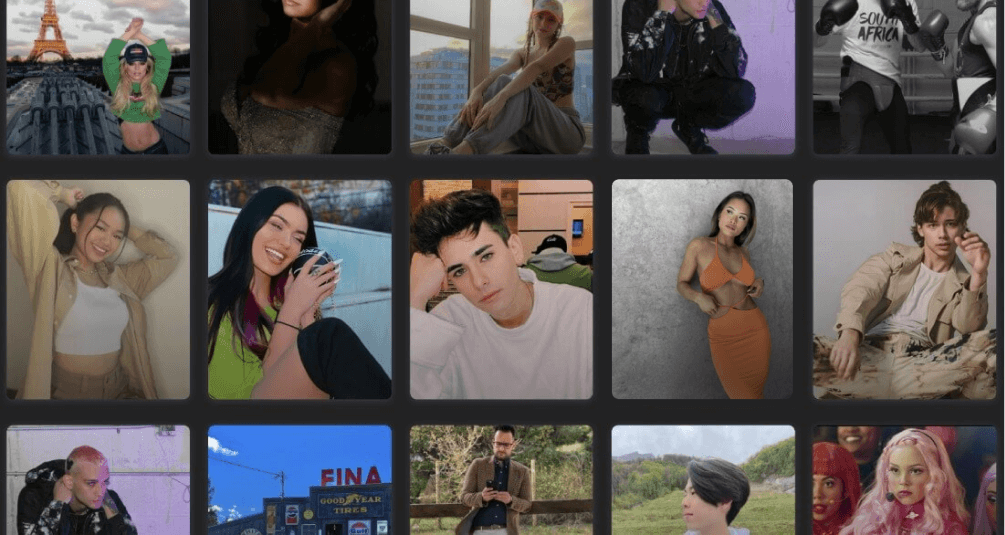
Collabstr gives you access to hundreds of thousands of vetted creators across Instagram, TikTok, and YouTube — searchable by niche, engagement rate, location, and more. Browse for free, reach out directly, and start building the affiliate influencer roster your program needs.
Frequently Asked Questions
1) What's the difference between an influencer and an affiliate influencer?
A standard influencer is paid a flat fee upfront to create and post content, regardless of how many sales it drives. An affiliate influencer earns a commission on the sales or actions they generate, making their compensation directly tied to performance.
2) How much commission should I offer influencers in my affiliate program?
Commission rates vary by industry, but most brands start between 10–20% for physical products and up to 30% for digital products or SaaS. Offering a hybrid deal — a small flat fee plus commission — can attract higher-quality creators who are hesitant to take on full performance risk.
3) Can micro-influencers work for affiliate marketing programs?
Micro-influencers are often the best fit for affiliate programs because their audiences are highly engaged and more likely to act on recommendations than those of larger creators. With the average influencer collaboration on Collabstr costing just $202, micro-influencers offer an accessible and cost-effective entry point for brands building out their affiliate roster.
4) How do I track sales from affiliate influencers?
The two most common methods are unique tracking links and personalized discount codes, both of which tie every click and conversion directly back to the creator who drove it. Most affiliate platforms handle this automatically, giving you clean attribution data you can use to identify top performers and scale what's working.