Influencer Marketing ROI: Proven Strategies to Calculate Growth
- What is Influencer Marketing ROI?
- ROAS vs. ROI: Understanding the Difference in Influencer Marketing
- Importance of ROI When Hiring Influencers
- Metrics to Consider for Calculating Influencer Marketing ROI
- 5 Steps to Measure Influencer Marketing ROI
- How to Track Sales and Conversions in Influencer Campaigns
- Building a High-Performing Influencer Program
- What is a Good Influencer Marketing ROI?
- Tips and Recommendations to Maximize ROI
- Helpful Tools to Calculate Engagement
- Get Your Influencer Marketing Started with Collabstr
- Frequently Asked Questions
nfluencer marketing has emerged as one of the most impactful ways for brands to connect with audiences, but its success hinges on understanding and optimizing return on investment (ROI). Without a clear understanding of influencer marketing ROI, brands risk pouring resources into campaigns without knowing whether they’ve truly paid off. Measuring influencer marketing ROI isn’t just about calculating profits; it’s about understanding which strategies work, which influencers drive results, and how campaigns can be optimized to achieve specific goals.
In this guide, we’ll explore the fundamentals of influencer marketing ROI, from defining what it means and why it matters to offering actionable strategies for calculating and maximizing ROI using an influencer marketing platform. You’ll learn how to track the right KPIs, avoid common pitfalls, and ensure every dollar spent on influencer marketing drives meaningful growth.
What is Influencer Marketing ROI?
Influencer marketing ROI refers to the return on investment generated by a brand’s influencer campaigns. In simple terms, it measures how much value or revenue an influencer marketing campaign delivers compared to its cost. ROI is a vital metric because it helps brands assess the effectiveness of their marketing efforts in monetary terms and make data-driven decisions about future campaigns.
The formula for calculating influencer marketing ROI is straightforward:
ROI = [(Revenue - Cost) ÷ Cost] × 100
For example, if a brand spends $2,000 on an influencer campaign and generates $10,000 in revenue, the ROI would be 400%. This means the influencer marketing campaign earned four times its investment.
Beyond revenue, ROI can also consider non-monetary outcomes, such as increased brand awareness, higher engagement, or stronger community sentiment. These indirect benefits are harder to quantify but are critical in measuring a campaign’s overall success.
ROAS vs. ROI: Understanding the Difference in Influencer Marketing
When measuring the effectiveness of influencer marketing, it’s essential to differentiate between Return on Ad Spend (ROAS) and Return on Investment (ROI). While both metrics assess performance, they serve slightly different purposes, helping brands evaluate influencer marketing campaigns from unique angles.
ROAS focuses specifically on how much revenue is generated for every pound spent on advertising. The formula for calculating ROAS is simple:
ROAS = (Revenue from Ads ÷ Ad Spend)
In influencer marketing, ROAS can be particularly relevant for campaigns where influencers drive direct sales through trackable links, affiliate codes, or paid ads that are boosted through their accounts. For instance, if a brand spends $2,000 on influencer ads and generates $8,000 in sales, the ROAS is 400%.
By contrast, ROI considers the overall profitability of a campaign by factoring in all associated costs, such as influencer fees, content production, and platform expenses. It answers the broader question: was the entire campaign worth the investment? While ROAS is ideal for assessing short-term revenue-driven campaigns, ROI is better suited for evaluating overall performance, including indirect benefits like increased brand awareness.
Both metrics are crucial for understanding influencer marketing effectiveness. Brands can use ROAS to measure the efficiency of ad spend and ROI to determine the campaign's overall impact on the bottom line.
Importance of ROI When Hiring Influencers
Understanding ROI is crucial when selecting creators and running influencer marketing campaigns. It ensures that brands allocate their budgets wisely, focusing on collaborations that generate measurable results. Hiring influencers without a clear marketing ROI strategy can lead to wasted resources or partnerships that don’t align with campaign goals.
For instance, ROI helps determine whether an influencer’s audience truly aligns with the brand’s target demographic. An influencer might have a large following, but if their audience doesn’t engage or convert, the partnership is unlikely to deliver a strong return. Calculating influencer marketing ROI also allows brands to compare influencers and identify those who consistently drive the best results.
Failing to track marketing ROI can lead to overspending or partnering with influencers who don’t deliver value. By analyzing metrics like engagement, reach, and conversions, brands can predict an influencer’s potential ROI before committing to a campaign. Influencer marketing platforms like Collabstr offer tools to analyze influencer performance and align partnerships with business objectives.
Metrics to Consider for Calculating Influencer Marketing ROI
 To measure influencer marketing ROI effectively, brands need to track specific metrics that reflect the success of their influencer marketing campaigns at every point of the conversion funnel. These metrics provide insights into brand awareness, audience engagement, campaign reach, website traffic, and overall impact.
1. Reach
Reach measures the number of people exposed to a campaign, including impressions and total follower count. While impressions and reach alone doesn’t guarantee results, it’s an important starting point for understanding a campaign’s potential visibility.
2. Engagement
Engagement metrics, such as likes, comments, shares, and saves, indicate how actively an influencer’s audience interacts with their content. Engagement rate—calculated as interactions divided by reach—provides a more meaningful measure of audience responsiveness.
3. Conversion Metrics
Conversions measure the tangible actions taken by an audience at certain points of the funnel, such as website traffic near the top of the funnel, or direct sales, or sign-ups at the bottom. Tools like Google Analytics paired with UTM parameters can track conversions generated by influencer campaigns.
4. Brand Awareness
Metrics like brand mentions, tags, and sentiment analysis show how well an influencer marketing campaign increases visibility of the brand, driving brand awareness and recognition and positive perception of a brand. These metrics are particularly important to marketers for measuring long-term growth and loyalty.
5. Cost-Related Metrics
Metrics like cost per engagement (CPE) and cost per acquisition (CPA) help brands understand the efficiency of their influencer marketing campaigns. These figures show how much a brand spends to generate specific outcomes, such as clicks or purchases.
Tracking these influencer marketing metrics allows brands to assess which aspects of a campaign are working and where improvements are needed.
5 Steps to Measure Influencer Marketing ROI
Measuring influencer marketing ROI requires a systematic approach. Follow these five steps to ensure accurate calculations and actionable insights.
1. Set Campaign Goals
Start by defining clear objectives for your influencer marketing campaign. Goals might include driving sales, increasing website traffic, or boosting brand awareness. Clear goals help determine which metrics to track and provide a benchmark for evaluating success of your partnerships with influencers.
2. Identify Key Metrics
Tie specific metrics to your influencer marketing campaign goals. For example, if your goal is to drive sales, focus on tracking conversions and revenue. For brand awareness campaigns, marketers should prioritize metrics like impressions and brand mentions.
3. Track Influencer Performance
Monitor the performance of individual influencers using analytics tools. Look at engagement rates, audience demographics, and conversion data to assess whether the influencer’s content resonates with their followers and aligns with your goals.
4. Calculate Influencer Marketing ROI
Apply the ROI formula (detailed above) using data from your influencer marketing campaign:
ROI = [(Revenue - Cost) ÷ Cost] × 100
This calculation provides a clear picture of how much value the campaign generated relative to its cost.
5. Analyze and Optimize
Review your campaign results to identify areas for improvement. Dig deeper into the performance of individual influencers to determine who drove the best results. Look at which content types—such as product reviews, giveaways, or tutorials—generated the most engagement or conversions. Additionally, consider platform performance to see if certain channels, like TikTok or Instagram, resonated more with your target audience.
How to Track Sales and Conversions in Influencer Campaigns
Tracking sales and conversions is a critical part of evaluating the success of your influencer marketing campaigns and calculating ROI. Without proper tracking methods in place, it can be difficult to attribute results to specific influencers or campaigns, leaving valuable insights untapped.
One of the most effective ways to track sales is by using UTM parameters in the links influencers share. UTM tags allow you to see exactly where traffic is coming from, what campaigns are driving it, and how those visitors behave on your website. Similarly, affiliate links and promo codes give you a clear picture of which influencers are directly contributing to sales. These tools also incentivize influencers, as they often earn a commission based on the sales they generate.
Integrating tracking tools with platforms like Google Analytics or Shopify provides a centralized view of campaign performance. For instance, you can monitor click-through rates, conversion rates, and revenue generated from each influencer. This data is invaluable for identifying high-performing influencers who consistently drive results.
Influencer marketing platforms like Collabstr simplify the process by offering built-in analytics to track sales, engagement, brand awareness, and conversions across all your influencer marketing campaigns. By leveraging these influencer marketing platforms, brands can gain actionable insights, optimize their influencer strategies, and ensure that every campaign delivers measurable growth.
Building a High-Performing Influencer Program
Creating a structured influencer program can help brands achieve consistency, scale their efforts, and maximize returns from influencer partnerships. Unlike one-off marketing campaigns, a well-designed influencer program involves ongoing collaboration with multiple influencers who align with your brand’s goals and values.
The first step marketers should take in building a high-performing program is recruiting the right influencers. Focus on those with proven engagement, audience alignment, and a genuine interest in your industry or products. High-performing influencers are those who not only generate reach but also drive meaningful actions, like clicks, sales, or increased brand loyalty.
Once you’ve established your influencer roster, set clear expectations around deliverables, timelines, and performance metrics. Incentivize top-performing influencers with perks such as exclusive product access, higher compensation for strong results, or opportunities to become brand ambassadors. A brand ambassador program adds long-term stability to your influencer strategy by fostering deeper relationships with influencers who genuinely advocate for your brand.
Finally, track the performance of your influencer program through metrics like engagement, sales, and conversions. Regularly analyze which influencers, content types and social media platforms perform best, and use these insights to refine your program. With the right structure, an influencer program can become a consistent source of value, driving both measurable results and authentic brand growth.
What is a Good Influencer Marketing ROI?
Determining what constitutes a "good" ROI in influencer marketing depends on several factors, including the industry, campaign goals, and target audience. Generally, a successful influencer marketing campaign delivers a positive ROI, meaning the revenue or value generated exceeds the campaign’s cost. However, the actual percentage can vary widely based on the niche and objectives.
For campaigns focused on direct sales, ROI percentages tend to be higher because revenue is directly measurable. A retail brand, for example, might aim for an ROI of 300–500%, where every $1 spent generates $3–$5 in sales. On the other hand, for brand awareness campaigns, the ROI might be less tangible but equally valuable, focusing on metrics like reach, engagement, or follower growth.
Several factors influence ROI, such as the alignment between the influencer and brand, the quality of content, and the platform used. For example, influencers on TikTok often see higher engagement rates compared to other platforms, which can positively impact ROI. While benchmarks vary, setting realistic expectations based on your industry and goals is key to evaluating success.
Tips and Recommendations to Maximize ROI
Maximizing ROI in influencer marketing requires thoughtful planning and execution. Here are several strategies to help brands achieve the best results from their campaigns:
1. Choose the Right Influencers
Selecting influencers who align with your brand’s values and audience is crucial. Look beyond follower count to assess their engagement rates, audience demographics, and content quality. An influencer with a smaller highly engaged following (often called nano-influencers or micro-influencers) can often deliver better results than one with a larger but less active audience.
2. Prioritize Quality Over Quantity
While working with multiple influencers can expand your reach, focusing on high-quality partnerships yields better results. Influencers who genuinely connect with their followers and create compelling content are more likely to drive conversions and build trust in your brand.
3. Use Tracking Tools and Analytics
Implement tools like UTM parameters, affiliate links, or promo codes to track the performance of each influencer. These tools provide data on clicks, conversions, and other key metrics, helping you evaluate ROI and refine future campaigns. Platforms like Collabstr offer built-in analytics to simplify this process.
4. Experiment with Content Types
Test different types of content to see what resonates most with your audience. Product reviews, giveaways, tutorials, and behind-the-scenes content can all generate engagement and drive results. Be flexible and open to trying new approaches based on influencer insights.
5. Conduct Post-Campaign Analysis
After your campaign concludes, review the results to identify what worked and what didn’t. Use these insights to adjust your strategy for future campaigns. Regularly analyzing performance ensures continuous improvement and long-term success.
Helpful Tools to Calculate Engagement

Understanding engagement is critical for evaluating influencer performance and its impact on ROI. Higher engagement often translates into better campaign outcomes, as it reflects how actively an influencer’s audience interacts with their content.
Engagement Rate Calculator for Instagram
Collabstr's engagement rate calculator for Instagram calculates engagement rates based on likes, comments, and other interactions relative to an influencer’s follower count. It’s particularly useful for identifying creators with highly engaged audiences who are likely to generate strong ROI from their Instagram posts.
Engagement Rate Calculator for TikTok
Collabstr also has a free TikTok engagement rate calculator. TikTok's creators' engagement rates often surpass other platforms due to its interactive nature. This calculator evaluates metrics like video views, likes, and shares, helping brands assess the potential impact of TikTok influencers.
Influencer Analytics and Tracking Tool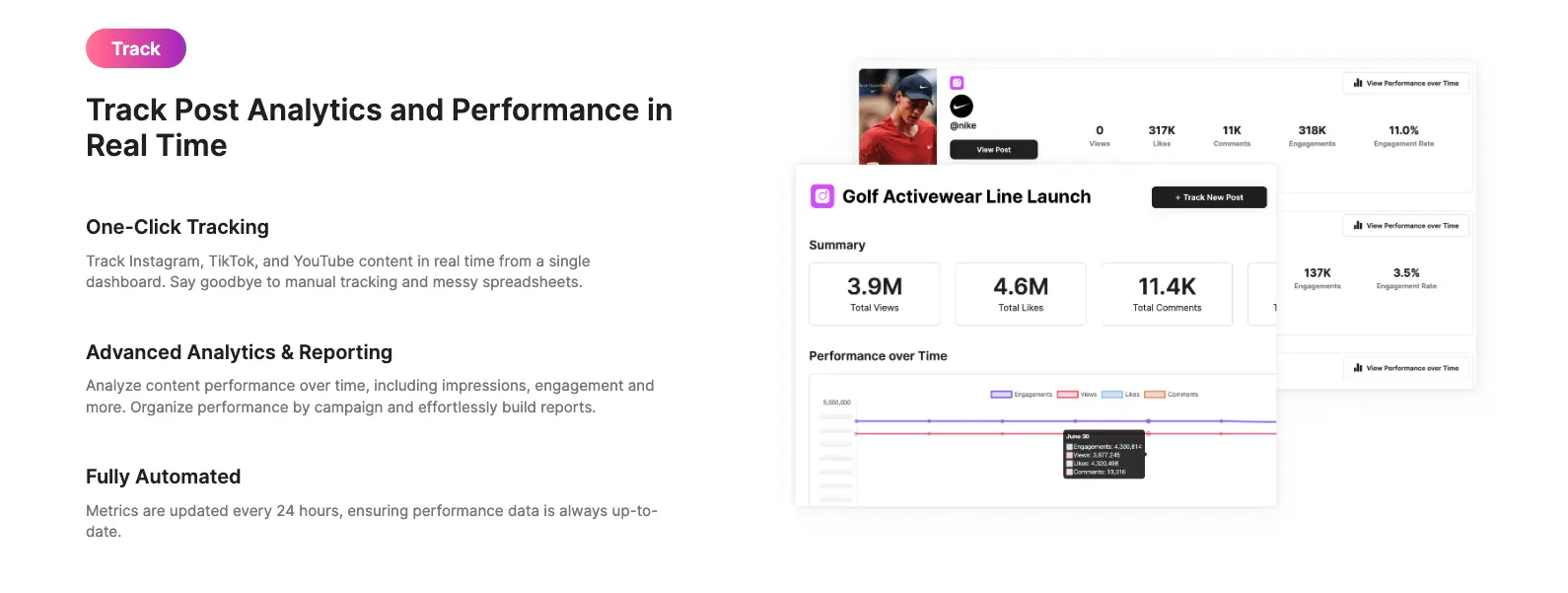
Collabstr offers comprehensive tools for analyzing influencer performance and keeping track of your influencer marketing investments. These tools track metrics like audience demographics, engagement trends, and conversion rates, giving brands the data they need to optimize campaigns and calculate ROI accurately.
By leveraging these tools, brands can make informed decisions and maximize the value of their influencer marketing efforts.
Get Your Influencer Marketing Started with Collabstr
Managing influencer marketing campaigns and calculating ROI doesn’t have to be overwhelming. With Collabstr, brands can streamline the process, from discovering influencers to tracking performance. Collabstr’s platform allows you to filter influencers by niche, location, engagement rate, and budget, ensuring you find the perfect fit for your campaign.
In addition to simplifying influencer discovery, Collabstr provides tools for campaign management and analytics. These features make it easy to measure ROI, refine strategies, and ensure your campaigns deliver maximum impact. Whether you’re new to influencer marketing or looking to scale your efforts, Collabstr offers a seamless solution tailored to your needs.
Ready to elevate your influencer marketing strategy? Explore Collabstr today and discover how to maximize your ROI with ease.
Frequently Asked Questions
What Is a Good Influencer Marketing ROI Percentage?
A good influencer marketing ROI percentage depends on the industry and campaign goals, but a positive ROI—where returns exceed costs—is always the baseline. For direct sales campaigns, an ROI of 300–500% is often considered strong, while brand awareness campaigns might focus on metrics like reach or engagement rather than direct revenue.
What Is the Profit Margin of an Influencer?
The profit margin of an influencer campaign depends on factors like the cost of collaboration, the influencer’s audience engagement, and the revenue generated. High-performing campaigns often deliver significant profit margins, especially when influencers align closely with the brand’s target audience.
How Do You Calculate Influencer ROI?
To calculate influencer ROI, use the formula:
ROI = [(Revenue - Cost) ÷ Cost] × 100
For example, if an influencer marketing campaign generates $8,000 in revenue from a $2,000 investment, the ROI would be 300%. This calculation helps brands assess the financial success of their collaborative social media marketing campaigns and refine future efforts.