How to Find Instagram Influencers for Your Brand: 10 Expert Tips
- Why an Influencer or Content Creator?
- What’s the Difference Between an Influencer and a Celebrity?
- The Benefits of Influencers and Their Communities
- Why Use Instagram Creators?
- How to Find Instagram Influencers for Your Brand
- Which Is the Best Tool to Find the Perfect Influencer for My Brand?
- How to Hire an Influencer: Step-by-Step Guide
- Ready to Hire the Perfect Instagram Influencer for Your Brand?
- FAQ
Instagram continues to be a powerhouse in the world of social media platforms, offering an ideal space for brands to build authentic connections and boost brand awareness. As the influencer market grows, influencers and content creators have become pivotal players in driving market campaigns that generate high engagement rates and measurable ROI.
If you’ve ever asked, “how do I find influencers?” or wondered about the best way to search for Instagram influencers, this guide is here to help. We’ll share 10 expert tips to help you find and hire the right Instagram influencer for your brand, ensuring your campaign resonates with your target audience and reflects your brand’s authenticity.
Why an Influencer or Content Creator?
In the crowded world of social media, traditional marketing methods are giving way to more authentic, relationship-driven strategies. Influencers, as trusted voices within their niche communities, offer a unique opportunity for brands to connect with audiences in a way that feels genuine and relatable. By collaborating with an influencer, brands can leverage authentic content creation and benefit from the high engagement rates that these social media personalities command. Whether you’re looking to promote a new product or drive sales, partnering with the right content creator can provide a competitive edge over conventional advertising methods.
What is an Influencer?
An influencer is a person who has built a reputation for their expertise and authenticity on a specific social media platform, such as Instagram. They wield significant sway over their followers' opinions and decisions, often through creative and engaging content. Instagram influencers, for example, might specialize in beauty, fashion, tech, or lifestyle, making them highly relevant for brands looking to target specific demographics and niches.
Types of Social Media Influencers
Influencers can be classified based on their follower count, which in turn affects their reach and engagement:
-
Nano-Influencers: These individuals typically have fewer than 1,000 followers, but they excel in cultivating extremely loyal and engaged audiences. Despite their smaller reach, nano-influencers offer unparalleled authenticity, often resulting in higher conversion rates and more meaningful interactions with their niche communities. Their recommendations come off as genuine endorsements from a friend, making them particularly effective for brands aiming to build trust and foster close connections with potential customers.
-
Micro-Influencers: These creators have between 1,000 and 50,000 followers and tend to have a high engagement rate with a very niche audience. Their recommendations are often perceived as highly authentic.
-
Macro-Influencers: With follower counts ranging from 50,000 to 500,000, macro influencers offer a broader reach while still maintaining targeted engagement. They are excellent for brands looking to tap into specific demographics without losing the personal touch.
-
Mega-Influencers: These are the heavyweights with over 500,000 followers. While they offer vast reach, their collaborations can be more expensive and may not always deliver the high engagement levels seen with smaller influencers.
What’s the Difference Between an Influencer and a Celebrity?
While both influencers and celebrities have large followings, the key difference lies in their approach and relationship with their audience. Celebrities often rely on their mainstream fame, whereas influencers build communities by consistently creating authentic content. This makes influencers more relatable and trustworthy, especially when it comes to influencing purchase decisions and promoting a brand in a genuine manner.
The Benefits of Influencers and Their Communities
Influencers excel in creating authentic content that aligns with their audience’s preferences. Their posts are more likely to drive engagement than traditional advertisements because they foster trust and credibility. Additionally, collaborating with influencers can be a cost-effective marketing solution that delivers a high ROI. Whether you want to tap into the creativity of nano influencers or the broad reach of mega influencers, these partnerships are designed to enhance your brand’s narrative and resonate with a specific target audience.
Why Use Instagram Creators?
Instagram stands apart from other social media platforms in several key ways that make it an ideal choice for influencer marketing. First, its visually-driven interface allows influencers to showcase their creativity through high-quality photos and videos, making it perfect for brands looking to create a strong visual impact. Instagram's suite of features—including Stories, Reels, and IGTV—provides multiple channels for content creation and audience engagement, enabling brands to promote products in diverse and dynamic formats.
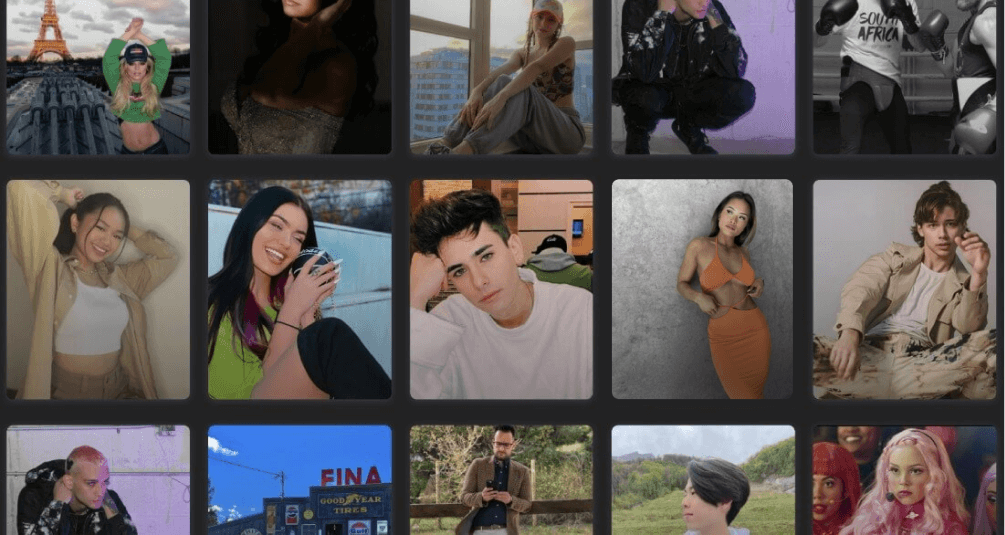
Instagram also has built-in tools for audience engagement and analytics, making it easier for brands to measure metrics like engagement rate and follower count. These insights allow for more informed decisions when selecting influencers, ensuring that collaborations are both authentic and effective. The platform also encourages direct interaction between influencers and their followers, fostering communities where recommendations are trusted and more likely to convert into sales. Ultimately, the combination of high visual appeal, robust analytics, and strong community engagement makes Instagram a preferred choice over other social media platforms for many brands.
How to Find Instagram Influencers for Your Brand
Finding the right Instagram influencer requires a strategic approach that involves both creative thinking and data analysis. Here are 10 expert tips to help you find influencers on Instagram that align with your brand’s vision:
-
Define Your Objectives
Before you start your search, clarify your campaign goals. Are you aiming to boost brand awareness, drive engagement, or increase sales? Knowing your objectives helps you filter for influencers who can best meet your needs.
-
Know Your Target Audience
Analyze your target demographic’s interests, behaviors, and the type of content they engage with on Instagram. Understanding your audience will help you find influencers whose follower count and engagement metrics match your campaign goals.
-
Search Instagram Directly
Use Instagram’s built-in search features, including relevant hashtags and location tags, to search for influencers. This organic approach can help you discover authentic voices that resonate with your target audience.
-
Leverage Influencer Discovery Tools
Platforms like Collabstr simplify the process of finding influencers for your brand. These influencer market platforms offer advanced filters to analyze follower demographics, engagement rates, and content quality.
-
Analyze Engagement Metrics
Look beyond the follower count—focus on the engagement rate to gauge the true influence of an Instagram influencer. An influencer with a modest follower count but high engagement can often deliver better results than one with a high follower count and low interaction.
-
Check Content Quality
Review the influencer’s content to ensure it aligns with your brand’s values and aesthetics. The style, tone, and overall quality of their posts should complement your brand’s narrative.
-
Verify Audience Authenticity
Use analytic tools to check for signs of fake followers. Authenticity is key, so ensure that the influencer’s audience is genuine and engaged.
-
Evaluate Past Brand Collaborations
Look at previous partnerships to determine if the influencer has successfully promoted similar products or brands. This insight can indicate how well they might collaborate with your brand.
-
Start Small
Consider testing your campaign with micro influencers or nano influencers. These smaller creators can provide valuable insights and help you build a more targeted market campaign before scaling up.
10. Track ROI
As you roll out your campaign, use data-driven insights to monitor performance. Analyze metrics like engagement, reach, and ROI to refine your strategy and optimize future collaborations.
Which Is the Best Tool to Find the Perfect Influencer for My Brand?
When it comes to finding influencers on Instagram, Collabstr stands out as a leading influencer market platform. Collabstr streamlines the entire influencer marketing process, from discovery and hiring to real-time tracking and analytics, saving time, preserving energy, and allowing you to do more without more effort. Compared to other tools like Heepsy and Upfluence, Collabstr offers a comprehensive solution that integrates discovery, vetting, and performance tracking into one user-friendly interface.
How to Hire an Influencer: Step-by-Step Guide
Once you’ve identified potential Instagram influencers for your brand, the next step is to hire and collaborate with them effectively. A structured hiring process not only ensures a smooth collaboration but also sets clear expectations that can help maximize your campaign's ROI. Here’s a detailed, step-by-step guide to help you navigate the hiring process:
1. Create a Campaign Brief
Start by drafting a comprehensive campaign brief that outlines your overall objectives, key messaging, and deliverables. This document should clearly articulate your campaign goals—whether it’s boosting brand awareness, driving engagement, or generating sales. Include detailed information on the target audience, preferred tone, visual style, and any mandatory elements like hashtags or specific calls-to-action. A well-crafted brief acts as a roadmap for both your brand and the influencer, ensuring that everyone is aligned from the outset.
2. Identify the Right Influencers
Leverage influencer discovery tools such as Collabstr to narrow down your list of potential collaborators. Use advanced filters to analyze each influencer’s content style, follower demographics, engagement rate, and previous brand collaborations. This step is critical—ensure that the influencers you shortlist not only align with your brand’s values but also have an audience that matches your target demographic. Look at qualitative aspects too, such as content creativity and authenticity, rather than focusing solely on follower count.
3. Negotiate Terms
Once you’ve selected a few promising influencers, initiate discussions to negotiate the collaboration terms. This stage should cover all essential aspects including pricing, content rights, timelines, and any specific deliverables or creative requirements. It’s important to establish a clear understanding of how many posts, stories, or other content formats are expected, along with the deadlines. Make sure you discuss any exclusivity clauses and clarify how the influencer can promote your brand alongside any other partnerships. Both parties should be comfortable with the agreed terms before proceeding.
4. Set Clear Expectations
After finalizing the terms, communicate all expectations clearly. Provide the influencer with your campaign brief, creative guidelines, and posting schedule. Establish protocols for content review and approval to ensure that every piece of content meets your brand standards. Clear communication at this stage can prevent potential misunderstandings later on. Encourage open dialogue so that the influencer feels empowered to ask questions or suggest creative ideas that might enhance the campaign.
5. Launch the Campaign
With everything in place, it's time to kick off the campaign. Ensure that the influencer has all the necessary resources, including any branded assets or product information, to create compelling content. Stay actively involved during the rollout, monitoring how the content is received and ensuring that it aligns with your brand's vision. This is also a good time to use social listening tools to track initial audience reactions and engagement in real-time.
6. Track Performance Metrics
Implement robust analytics to monitor the campaign’s performance. Measure key metrics such as engagement rate, reach, impressions, and conversion rates. These insights will help you understand the effectiveness of the collaboration in real-time. Using tools that integrate with your influencer market platform can streamline this process, making it easier to analyze data and calculate ROI. Regularly review performance against the KPIs outlined in your campaign brief to ensure that the campaign remains on track.
7. Evaluate and Optimize
After the campaign concludes, conduct a thorough post-campaign evaluation. Analyze all performance metrics, gather feedback from the influencer, and review audience responses. Identify what worked well and where there might be room for improvement. This debriefing process is crucial—it helps you understand the strengths and weaknesses of your collaboration and provides valuable insights for future influencer marketing initiatives. Use these learnings to fine-tune your strategy, optimize your outreach, and improve subsequent campaigns.
By following these detailed steps, you can create a seamless hiring process that not only builds strong, mutually beneficial partnerships with Instagram influencers but also drives tangible results for your brand.
Ready to Hire the Perfect Instagram Influencer for Your Brand?
Ready to take your influencer market strategy to the next level? With Collabstr, you can easily find and hire Instagram influencers who not only meet your engagement and follower count requirements but also align perfectly with your brand’s ethos. Explore Collabstr’s extensive open marketplace, benefit from transparent pricing, and enjoy secure transactions that simplify the entire campaign process. Start your journey towards more authentic and effective influencer collaborations today.
FAQ
What Are the 4 Types of Influencer Marketing?
Influencer marketing typically falls into four categories:
-
Sponsored Content: Paid collaborations where influencers create posts featuring a brand’s products.
-
Affiliate Marketing: Influencers promote products using unique links and earn a commission per sale.
-
Product Seeding: Brands provide products for influencers to review and promote organically.
-
Brand Ambassadors: Long-term partnerships where influencers consistently represent a brand across campaigns.
Where Can I Find Micro Influencers?
Micro influencers, who generally have 1,000 to 50,000 followers, can be found on dedicated influencer market platforms like Collabstr. These tools offer advanced filters to help you locate influencers who align with your target audience and niche.
How Much Do Influencers Charge Per Post?
The cost per post varies based on factors such as follower count, engagement rate, and content quality. While some influencers might charge a few hundred dollars, others, especially macro and mega influencers, might require significantly higher fees. Always consider the ROI and authenticity of their audience when evaluating pricing.
For current Instagram prices by niche, see what Instagram influencer marketing costs, based on our 2026 report.
Are Content Creators and Influencers the Same?
While the terms are often used interchangeably, content creators primarily focus on producing high-quality content, whereas influencers leverage their online presence and follower engagement to shape opinions and drive consumer decisions. Many professionals successfully play both roles, making them highly valuable for your market campaign.