11 Influencer Marketing Tools for Small Businesses and Startups
- Key Takeaways: Influencer Marketing for Small Businesses
- Exploring Opportunities: Influencer Marketing for Small Businesses
- Launching an Influencer Marketing Strategy
- What Influencer Marketing Platforms Work Best For Small Brands?
- Social Listening Tools
- Influencer Discovery Platforms
- Measurement & Tracking Tools
- Affiliate & Performance-Based Influencer Tools
- Choosing Collabstr, an Affordable Influencer Marketing Tool
- FAQs: Influencer Marketing for Small Businesses
Building a strong presence in 2026 requires more than just high follower counts. It’s about finding the right voices to champion your brand. While the landscape of influencer marketing can feel like it belongs to big-budget agencies and brands, the right tools now empower startups to execute professional-grade campaigns on a lean budget.
This guide breaks down what to look for when considering influencer marketing platforms for small businesses including essential influencer marketing tools you need to tap into online conversation, discover authentic creators, track your ROI, and scale your strategy without the huge overhead.
Key Takeaways: Influencer Marketing for Small Businesses
-
The strategy: Success for small brands now follows a 5-step lifecycle: Goal setting, social listening, discovery, launch, and optimization.
-
The opportunity: You don't need a massive budget; the highest ROI is currently found in micro, nano, and hyperlocal influencers who offer deeper trust and higher engagement than celebrity accounts.
-
The toolkit: Professional-grade results are now possible with a "lean stack." Using specialized tools for listening, discovery, tracking, and affiliates allows startups to automate the heavy lifting and protect their marketing spend.
Exploring Opportunities: Influencer Marketing for Small Businesses
In 2026, small business influencer marketing has levelled the playing field, allowing small brands to compete with major corporations through hyper-targeted, creator-led campaigns.
Here are the primary opportunities for small businesses in the current influencer landscape:
The micro and nano-influencer advantage
While celebrity "macro" influencers have millions of followers, they often suffer from low engagement and high costs. Small businesses should focus on micro-influencers (10k–100k followers) and nano-influencers (under 10k).
-
Higher engagement: On platforms like TikTok and Instagram, micro-creators consistently see engagement rates of 5–20%, compared to just 1–3% for celebrities.
-
Trust over reach: 92% of consumers now trust influencer recommendations over traditional ads. To a follower, a nano-influencer feels like a "trusted friend" rather than a paid spokesperson.
Cost-effective customer acquisition
Small businesses are using influencers to bypass rising ad costs on Meta and Google.
-
Creator-led ads: Instead of shooting a polished commercial, brands are "whitelisting" (running ads through) a creator’s organic video.
-
Direct-to-commerce: With the integration of TikTok Shop and Instagram Checkout, small brands can turn a 15-second video into a direct sale without the customer ever leaving the app.
Hyperlocal: The "digital foot traffic" opportunity
For small businesses, reach is only valuable if it’s within driving distance. Hyperlocal influencers are creators with modest followings (typically 1,000-5,000) who are the "go-to" authorities in a specific city or district.
-
The "neighborly tip" effect: A recommendation from a local community leader or neighborhood foodie feels less like an ad and more like a trusted suggestion from a neighbor.
-
Local SEO boost: When creators geotag your location and use neighborhood-specific hashtags (like #GreenwichVillageEats or #AustinWorkouts), it signals to search engines that your business is a relevant local pillar, helping you rank higher in "near me" search results.

Launching an Influencer Marketing Strategy
When it comes to influencer marketing strategies for a small business, the goal isn't to launch a "massive" campaign, but a sustainable one. The most successful small brands use a "test and learn" approach rather than dumping their entire budget into one creator.
1. Identify your core goals
Before browsing creator profiles, you must define what "success" looks like for your specific business stage. For most small brands, this means choosing between high-volume content (using influencers as a creative studio), brand trust (building social proof), or direct conversion (driving immediate sales).
2. Research and social listening
Don't start with a search bar. Start by listening to the conversations already happening in your niche. Use social listening tools to identify creators who are already mentioning your competitors, tagging your neighborhood, or discussing the "pain points" your product solves.
3. Discover and vet creators
Once you have a list of themes from your research, use discovery platforms to find creators who match your target demographics. Look past the follower count and prioritize authenticity scores and audience overlap to ensure their followers are real people who actually live in your shipping zones.
4. The launch phase
Start with a "pilot program" of 5-10 creators to test different messaging and platforms. Provide a clear creative brief that outlines your "must-haves" (like a specific link or discount code) but gives the influencer the freedom to speak in their own voice.
5. Measure and optimize
To truly optimize your strategy in 2026, you must look past generic "likes" and map your results directly to the specific business goals you set in step one. Measurement is no longer just about reporting; it is about identifying which creator "archetypes" move your specific needle so you can refine your budget in real-time.
What Influencer Marketing Platforms Work Best For Small Brands?
For small brands, the best influencer marketing platforms are the ones that balance affordability, ease of use, and practical impact. Rather than expensive enterprise suites, small businesses benefit most from tools that help them discover relevant creators quickly, listen to real conversations, track meaningful results, and incentivize performance-based partnerships.
Below are 11 influencer marketing tools small businesses can use across listening, discovery, tracking, and affiliate marketing.
Social Listening Tools
Why social listening matters before outreach: You shouldn't just guess who or how to promote your product. Social listening allows you to identify creators who are already fans of your category and follow along with the conversation potential buyers are already having.
1. Brand24
Excellent for small businesses needing real-time alerts. It tracks mentions across the web and social media, providing a "sentiment analysis" so you can see if people are talking positively or negatively about your niche.
2. Mention
A highly intuitive tool that acts like a powerful version of Google Alerts for social media. It’s perfect for monitoring specific hashtags or competitor handles to see which influencers are driving the most conversation.
3. Sprout Social
Sprout Social is the gold standard for small businesses that want deep data. Its "Listening" suite doesn't just find mentions. It uses AI to group conversations into "themes," helping you see what topics are trending in your industry before you even pick an influencer.
Influencer Discovery Platforms
Finding relevant creators efficiently without agencies: Manual searching on Instagram or TikTok is a time sink. Discovery platforms use massive databases and AI filters to help you find the needle in the haystack in seconds rather than hours. And scalability can often depend on finding an affordable influencer marketing tool. Here are a few to consider.
4. Modash
Modash allows you to apply hyper-specific filters like "audience location," "minimum engagement rate," and "fake follower detection" to ensure you’re only paying for real reach.
5) Heepsy
Heepsy is good for small businesses that want to do the outreach manually but needs a clean, audited list to start with.
6. Collabstr
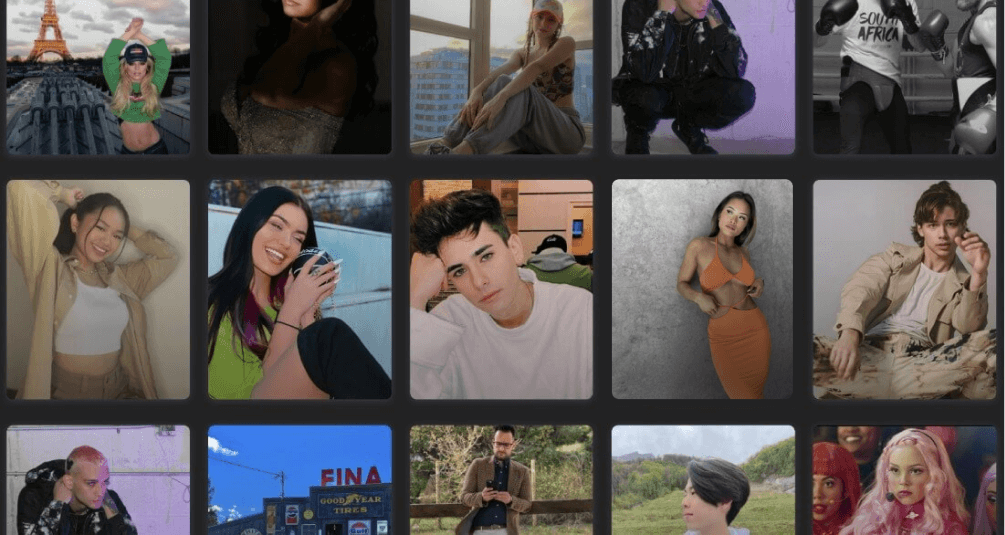
Collabstr’s self-serve creator marketplace lets you browse pre-vetted and collaborate with social media creators with transparent pricing. It’s ideal for small brands because there are no long-term contracts; you simply find a creator, buy a "package" (like one TikTok video), and Collabstr handles the escrow payment.
Measurement & Tracking Tools
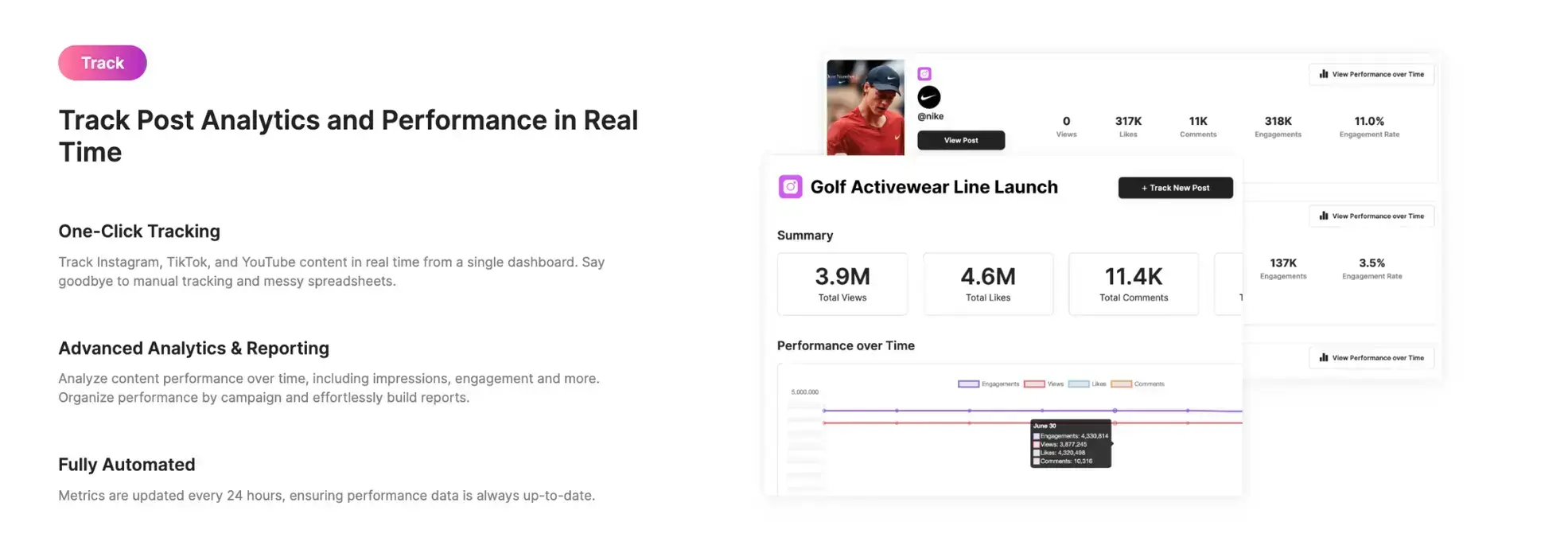
Why tracking matters even for small campaigns: If you can’t measure it, you can’t manage it. Small businesses need to know exactly which creators are moving the needle. Tracking tools allow you to move beyond "vanity metrics" like likes and focus on actual traffic and ROI.
7. Bitly
The simplest way to track clicks. By giving each influencer a unique Bitly link, you can see exactly how much traffic each person is driving to your site in a clean, easy-to-read dashboard.
8. HypeAuditor
While known for discovery, its "Campaign Management" feature is powerful for tracking. It automatically monitors when an influencer posts and aggregates the total reach, engagement, and estimated "Earned Media Value" of your campaign.
9. Later
Later tracks how well influencer content performs on your own feed, making it the best tool for brands whose main goal is building a library of high-quality User-Generated Content (UGC).
Affiliate & Performance-Based Influencer Tools
Why affiliate marketing works well for small brands: Affiliate tools allow you to lower your risk by paying influencers based on the sales they actually generate. This fosters long-term relationships where the creator is incentivized to actually sell your product, not just post it once.
10. PartnerStack
If your small business sells software or digital services, this is the industry leader. It doesn't just track links; it helps you recruit B2B influencers and manages complex, recurring commission structures that traditional e-commerce tools can't handle.
11. Impact.com
A more robust, "pro" version of affiliate management. It’s great for brands that want to scale beyond just Shopify and need advanced tracking for "cross-device" sales (e.g., someone sees a post on their phone but buys on their laptop later).
Choosing Collabstr, an Affordable Influencer Marketing Tool
Influencer marketing for small businesses in 2026 is no longer about chasing the biggest names or the highest follower counts. It’s about precision, relevance, and repeatable systems. With the right influencer marketing platforms, small brands can listen to real customer conversations, partner with creators who already have trust in their communities, and track results with the same discipline as paid media, all without agency-level overhead.
Platforms like Collabstr make this shift accessible by giving small brands a self-serve way to discover vetted creators, see transparent pricing upfront, and launch campaigns without long contracts or agency overhead. Collabstr is a strong option for small brands looking for transparent pricing and hassle-free creator partnerships.
TL;DR: Influencer marketing for small businesses
Influencer marketing platforms for small businesses make it possible to run effective, measurable campaigns without agency-level budgets or complexity. The most successful small business influencer marketing strategies in 2026 focus on micro- and nano-creators, clear goals, and a lean stack of affordable influencer marketing tools for social listening, discovery, tracking, and affiliate partnerships. By using the right platforms, startups and small brands can launch influencer campaigns that build trust, generate content, and drive ROI in a sustainable way.
FAQs: Influencer Marketing for Small Businesses
What are influencer marketing platforms?
Influencer marketing platforms are tools that help businesses discover creators, manage collaborations, track performance, and measure ROI. For small businesses, these platforms often focus on affordability, ease of use, and features like creator discovery, campaign tracking, and performance-based payouts.
What influencer marketing platforms work best for small brands?
The best influencer marketing platforms for small brands are those that offer transparent pricing, flexible contracts, and strong filtering to find relevant creators. Tools like creator marketplaces, discovery platforms, social listening tools, and affiliate platforms work best when combined into a lean stack rather than relying on expensive all-in-one solutions.
How does influencer marketing work for small businesses?
Influencer marketing for small businesses typically focuses on partnering with micro- and nano-influencers who have smaller but more engaged audiences. Instead of large one-off campaigns, small brands often use product seeding, creator-led content, affiliate links, and repeat partnerships to build trust and drive measurable results.
What is an effective influencer marketing strategy for a small business?
An effective influencer marketing strategy for small business follows a clear lifecycle: goal setting, social listening, creator discovery, campaign launch, and optimization. The key is to start small, test different creators and messages, and reinvest in what drives engagement, conversions, or high-quality content.
How can startups use influencer marketing on a budget?
Startups can use influencer marketing by focusing on affordable influencer marketing tools, performance-based partnerships, and small test campaigns. Using affiliate links, discount codes, and creator marketplaces allows startups to minimize upfront costs while still tracking ROI and scaling what works.
Are influencer marketing platforms worth it for small businesses?
Yes, influencer marketing platforms are often worth it for small businesses because they reduce manual work, lower risk, and improve targeting. When used strategically, these tools help small brands find authentic creators faster, protect marketing spend, and turn influencer marketing into a repeatable growth channel.