8 Types of Influencer Campaigns That Actually Work in 2026
Influencer marketing is a $24B industry, but here's the reality: many influencer marketing campaigns don’t fail because influencer marketing doesn't work, but because brands choose the wrong campaign type for their goals.
According to recent data, 83% of marketers report that influencer content outperforms brand-created content across key metrics, including reach, engagement, and conversion. The difference? Successful brands understand that not all influencer campaigns are created equal, and matching campaign type to business objective is what separates wasted budget from measurable ROI.
In 2025, Collabstr analyzed over 21,000 influencer collaborations and saw clear patterns emerge: user-generated content campaigns more than doubled year-over-year (growing from 15% to 35% of all campaigns), while platform-specific TikTok campaigns dropped nearly 50%. Brands are getting smarter about how they invest in creator partnerships, prioritizing flexibility, authenticity, and performance over vanity metrics.
In this guide, we break down the 8 types of influencer marketing campaigns that actually drive results in 2026—from product launches to long-term ambassador programs—and help you determine which approach fits your brand's goals, budget, and timeline.
Key Takeaways
-
Small budgets dominate: 80% of influencer collaborations cost under $300, making creator marketing accessible for brands of all sizes
-
UGC is the fastest-growing campaign type: Platform-agnostic UGC campaigns more than doubled year-over-year as brands prioritize repurposable content over platform-specific bets
-
Short-form gets reach, long-form drives engagement: Instagram Reels generate 3 billion impressions, but YouTube videos deliver 6% engagement rates.
-
Expertise beats entertainment: The fastest-growing influencer niches are Athlete & Sports (+108%), Skilled Trades (+103%), and Health & Fitness (+76%)— these are all driven by credibility and problem-solving value
What Is an Influencer Marketing Campaign? (And How It Differs from Partnerships)
An influencer marketing campaign is a time-bound, goal-oriented collaboration between a brand and one or more creators designed to achieve specific business outcomes, whether that's driving awareness, generating sales, or building brand credibility.
Influencer campaigns vs. influencer partnerships: What's the difference?
While these terms are often used interchangeably, there's an important distinction:
-
Influencer campaigns are project-based activations with defined start and end dates, specific deliverables, and measurable KPIs. Think: a 3-month product launch campaign with 10 creators posting coordinated content.
-
Influencer partnerships are ongoing, relationship-driven collaborations where a creator represents your brand over an extended period (often 6-12+ months). These tend to focus on sustained brand building rather than discrete campaign goals.
When to use each approach
Choose a campaign when you have a specific launch, promotion, or event to amplify. You may also choose a campaign if you want to test creator effectiveness before committing long-term or if your budget requires concentrated, measurable impact in a short window
Choose a partnership when you're building long-term brand equity and trust, you've identified creators whose audiences align perfectly with your ICP, or you want creators who can authentically grow with your brand story.
Understanding this distinction helps you set realistic expectations, structure contracts appropriately, and measure success accurately. Now let's dive into the 8 campaign types that deliver results.
The 8 Types of Influencer Marketing Campaigns That Actually Work
1. Product launch campaigns
Best for: New product drops, limited releases, building launch momentum
How it works:
Coordinate announcements across multiple creators to create concentrated buzz around a specific launch date. Creators receive early access to the product and share first impressions, unboxings, or tutorials timed to your go-live date.
Why it works in 2026:
Product launch campaigns leverage the power of synchronized social proof. When audiences see multiple trusted voices talking about the same product simultaneously, it signals cultural relevance and creates FOMO.
Example:
A beauty brand launching a new serum works with 15 micro-influencers (10K-50K followers) in the skincare niche. Each creator posts an Instagram Reel on launch day showcasing their morning routine featuring the product, driving traffic to the product page via trackable links.
Measurement:
Reach, engagement rate, direct attribution via discount codes or affiliate links, website traffic spikes on launch day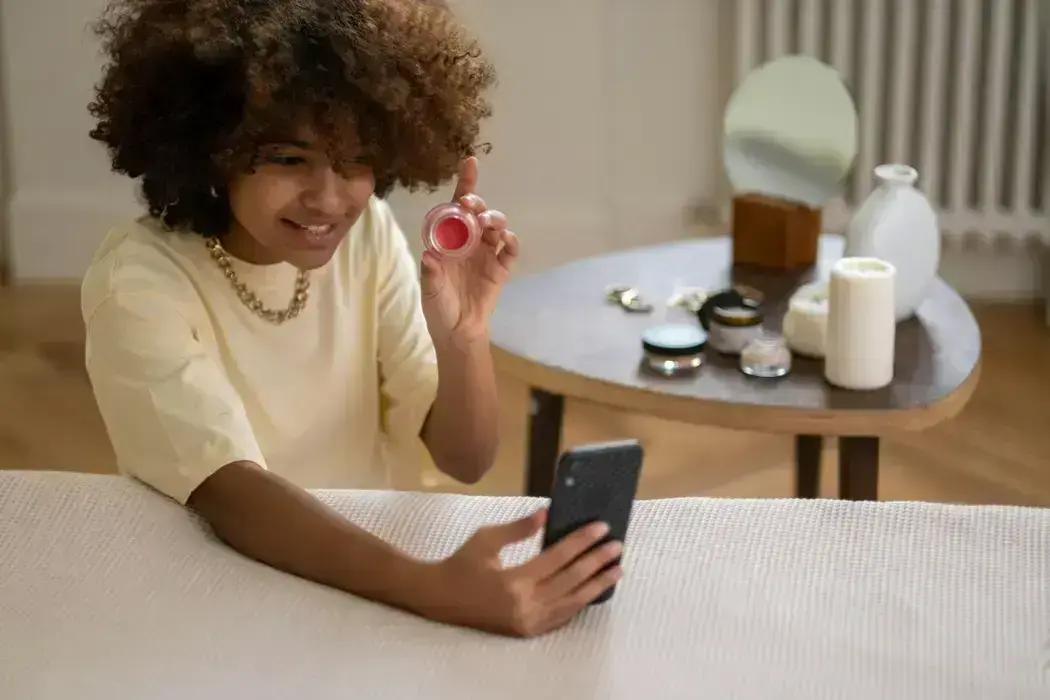
2. Brand awareness campaigns
Best for: Building visibility in new markets, reaching new demographics, establishing brand positioning
How it works:
Partner with high-reach influencers who create content around your brand values and lifestyle—not hard-selling specific products. The goal is visibility and mental availability, not immediate conversion.
Why it works in 2026:
Consumers trust influencer endorsements more than traditional advertising. In fact, 61% of consumers say they trust influencer recommendations over brand ads. Brand awareness campaigns work because they introduce your brand through a trusted intermediary, not through interruptive advertising.
Example:
A sustainable fashion brand partners with lifestyle influencers to create "day in the life" content featuring the brand's clothing naturally integrated into their routines. The content focuses on the influencer's values and aesthetic rather than product specs.
Measurement:
Impressions, brand lift studies (measured through surveys pre/post campaign), social listening sentiment analysis, follower growth
3. Affiliate/performance-based campaigns
Best for: E-commerce brands with clear conversion paths, maximizing ROI on creator spend
How it works:
Influencers earn commission on sales generated through their unique trackable links or discount codes. This model aligns incentives—creators are motivated to drive actual purchases, not just engagement.
Why it works in 2026:
Performance-based campaigns are experiencing massive growth because they solve the ROI question. With 80% of brand collaborations on platforms like Collabstr costing under $300, affiliate structures allow brands to scale creator partnerships without significant upfront risk.
Example:
An e-commerce brand in the home goods space works with 25 mid-tier influencers (50K-150K followers), each receiving a unique 15% discount code. Creators earn 10% commission on all sales. Top-performing creators are invited into a long-term ambassador program.
Measurement:
Sales, return on ad spend (ROAS), customer acquisition cost (CAC), repeat purchase rate from referred customers
4. Event/experiential campaigns
Best for: Creating buzz, fostering community, generating earned media value
How it works:
Invite influencers to exclusive brand experiences. Think product previews, factory tours, brand retreats, launch parties. Encourage them to share authentic behind-the-scenes content with their audiences.
Why it works in 2026:
Experiential campaigns generate organic content that feels less transactional than typical sponsored posts. When creators genuinely enjoy an experience, their enthusiasm translates into more authentic storytelling.
Example:
A beauty brand hosts an influencer trip to their manufacturing facility in France, giving 10 creators an inside look at product development and sustainability practices. Creators document the experience across Instagram Stories, Reels, and YouTube vlogs.
Measurement:
Social media coverage (posts, stories, mentions), sentiment analysis, earned media value, website traffic spikes during and after event
5. User-Generated content (UGC) campaigns
Best for: Building social proof at scale, generating repurposable content for ads and product pages
How it works:
Work with micro-influencers or everyday customers to create authentic, unpolished content featuring your product. The goal isn't reach—it's generating high-volume, authentic assets you can use across owned channels.
Why it works in 2026:
UGC campaigns more than doubled year-over-year in 2025, growing from 15% to 35% of all influencer campaigns. Why? Because UGC-driven ads perform 29% better than traditional brand content. Audiences crave authenticity, and UGC delivers it at scale.
Example:
A fashion brand sources content from 50 micro-influencers (5k-20k followers), each creating 3-5 pieces of styling content featuring the brand's capsule collection. The brand repurposes this content for paid social ads, on product pages, and in email campaigns.
Measurement:
Content volume (number of usable assets), engagement rates on organic vs. UGC-based ads, conversion rate lift when UGC is added to product pages
6. Takeover campaigns
Best for: Injecting fresh perspective into your brand channels, reaching new audiences
How it works:
An influencer temporarily "takes over" your brand's social media channels (usually Instagram or TikTok) for 24-48 hours, creating and posting content as if they're running the account.
Why it works in 2026:
Takeovers break the monotony of typical brand content. They introduce your audience to a new voice and simultaneously introduce the influencer's audience to your brand. It's a mutual exposure play.
Example:
A B2B SaaS brand has an industry thought leader take over their Instagram for 24 hours, posting Stories answering common customer questions, sharing workspace setups, and offering tactical advice in their area of expertise.
Measurement:
Follower growth during takeover period, engagement spike (likes, comments, shares, saves), website traffic, new audience demographics reached
7. Long-term ambassador programs
Best for: Building sustained credibility, fostering deep brand-creator relationships, driving customer lifetime value
How it works:
Select 5-15 influencers to become ongoing brand representatives over 6-12 months. Ambassadors receive regular product shipments, exclusive access, and compensation in exchange for consistent content featuring your brand.
For a step-by-step setup and how to measure it, see our guide to building a brand ambassador program.
Why it's different from partnerships:
While ambassador programs are long-term, they're still campaign-structured with quarterly themes, deliverable requirements, and specific KPIs.
Why it works in 2026:
Audiences are savvy—they can tell when an influencer genuinely loves a brand versus when they're doing a one-off paid post. Ambassador programs allow creators to build authentic narratives around your products over time, which drives deeper trust and higher conversion rates.
Example:
A fitness brand selects 10 ambassadors representing different workout disciplines (yoga, running, strength training, etc.). Each quarter has a content theme (e.g., Q1: New Year goal-setting; Q2: Summer training prep), and ambassadors create content around those themes while naturally featuring the brand's apparel.
Measurement:
Brand sentiment over time, customer lifetime value of referred customers, repeat engagement rates, quarterly content output quality
8. Co-creation campaigns
Best for: Product development, limited editions, generating PR buzz, deepening creator investment
How it works:
Invite an influencer to collaborate on actual product design, curation, or development. The influencer's input shapes the final product, making them a genuine stakeholder in its success.
Why it works in 2026:
Co-creation campaigns blur the line between influencer and founder, giving creators skin in the game. When an influencer has contributed to a product's development, their promotion feels less like advertising and more like genuine advocacy.
Example:
A beauty brand works with a makeup influencer to co-create a limited-edition eyeshadow palette. The influencer provides input on shade selection, packaging design, and product naming. The launch is promoted as "Creator X x Brand" with revenue sharing built into the agreement.
Measurement:
Pre-launch buzz (social mentions, press coverage), sell-through rate, revenue generated, PR impressions
How to Choose the Right Influencer Campaign Type for Your Brand
Not every campaign type will work for every brand. Here's how to match strategy to your specific goals, budget, and timeline.
Consider your goals
-
Awareness/Reach: Brand awareness campaigns, event campaigns, takeovers
-
Conversion/Sales: Affiliate campaigns, product launch campaigns, UGC campaigns
-
Trust/Loyalty: Ambassador programs, co-creation campaigns
Consider your budget
With 80% of influencer collaborations costing under $300, even small brands can run effective campaigns. Here's how budget influences campaign choice:
-
Under $5k: UGC campaigns, micro-influencer product launches, affiliate programs
-
$5k-$50k: Multi-creator awareness campaigns, event activations, short-term ambassador cohorts
-
$50k+: Long-term ambassador programs, co-creation partnerships, large-scale takeovers
Consider your industry
Different industries see different ROI from campaign types:
-
E-commerce/DTC: Affiliate campaigns and UGC perform best due to clear conversion tracking
-
Beauty brands: Product launch campaigns and co-creation drive buzz in a saturated market (and beauty is one of the most affordable niches at an average of $210 per collaboration)
-
Fashion brands: UGC and ambassador programs work well for sustained brand building (average collaboration cost: $217)
-
B2B/SaaS: Thought leadership takeovers and long-term partnerships with industry experts
Consider your timeline
-
Quick wins (1-3 months): Product launches, affiliate campaigns, UGC sprints
-
Medium-term (3-6 months): Brand awareness pushes, event campaigns
-
Long-term (6-12+ months): Ambassador programs, co-creation partnerships
Influencer Campaign Ideas by Industry
Need inspiration tailored to your sector? Here are proven campaign ideas by industry.
For e-commerce brands
-
Unboxing campaigns with micro-influencers: Send product to 20-30 creators and ask them to share authentic unboxing videos
-
Flash sale announcements via Stories: Time-sensitive, urgency-driven content
-
Seasonal gift guides with affiliate links: Creators curate their top picks from your catalogue, earning commission on sales
For beauty brands
-
Tutorial series: Multi-part content showing how to use products (e.g., "5 looks with one palette")
-
Before/after transformation campaigns: Skincare results over 30/60/90 days with consistent documentation
-
Ingredient education content: Partner with dermatologist or chemist influencers to break down product science
For Fashion Brands
-
Styling challenges: Invite creators to show "3 Ways to Wear" a single piece from your collection
-
Capsule wardrobe collaborations: Creators build entire looks from your seasonal collection
-
Sustainable fashion storytelling: Partner with eco-conscious influencers to highlight your brand's sustainability practices
The Creator Economy and the Future of Brand Collaborations
The influencer economy is maturing. As performance-based models reshape how brands and creators work together, platforms like Collabstr are making it easier than ever for brands of all sizes to discover vetted creators, negotiate fair pricing, and manage campaigns end-to-end.
Ready to launch your next influencer campaign? Find vetted creators for your next campaign on Collabstr—transparent pricing, verified portfolios, and built-in campaign management tools. Get started today.
TLDR: The 8 influencer marketing campaigns that drive ROI in 2026: product launches, brand awareness, affiliate/performance-based, event/experiential, UGC, takeovers, ambassador programs, and co-creation. Analysis of 21,000+ collaborations shows UGC campaigns doubled year-over-year (now 35% of all campaigns), 80% of effective collaborations cost under $300, and matching campaign type to your goals beats chasing follower count every time.
Frequently Asked Questions: Influencer Campaigns That Actually Work
What is the difference between an influencer partnership and an influencer campaign?
An influencer campaign is a time-bound, goal-oriented activation with specific deliverables and KPIs. An influencer partnership is an ongoing, relationship-driven collaboration (often 6-12+ months) focused on sustained brand building rather than discrete campaign goals.
How much do influencer campaigns cost?
Campaign costs vary widely based on influencer tier, niche, and content type. On average, 80% of influencer collaborations cost under $300, making influencer marketing accessible even for small brands. Content type also affects pricing. YouTube videos command the highest average payout ($255), followed by Instagram content ($193) and TikTok videos ($186).
Where can I find affordable influencers for marketing?
-
Creator platforms like Collabstr: Vetted databases with transparent pricing and built-in campaign management tools
-
Organic outreach: Search hashtags and competitor tags on Instagram, TikTok, and YouTube to find relevant creators
-
Influencer agencies: Higher cost but offer full-service vetting and management
What are the best creator platforms for B2B brands?
B2B brands should look for platforms that specialize in thought leadership and professional niches. Collabstr has expanded its B2B creator network and offers filtering by industry expertise, making it easier to find creators who speak to your target audience. LinkedIn-focused creators and industry-specific podcasters are also strong options for B2B influencer marketing.
How do you measure influencer campaign success?
Success metrics depend on campaign type:
-
Awareness campaigns: Reach, impressions, brand lift studies
-
Engagement campaigns: Likes, comments, shares, saves, click-through rates
-
Conversion campaigns: Sales, ROAS, customer acquisition cost, repeat purchase rate
Always tie metrics back to your original campaign goals. If you ran an awareness campaign, don't judge success solely on sales—measure reach and sentiment instead.
What makes an influencer campaign effective in 2026?
The most effective campaigns in 2026 share these traits:
-
Authenticity: Audiences can spot inauthenticity instantly. Partner with creators who genuinely align with your brand.
-
Data-driven selection: Choose creators based on audience demographics and engagement rates, not just follower count.
-
Clear goals: Define success metrics upfront and structure campaigns around measurable outcomes.
-
Fair compensation: Influencer marketing is a profession. Pay creators fairly for their work and expertise.