12 Best GRIN Alternatives for Better Influencer Marketing
- What Is GRIN?
- Why Are People Looking for GRIN Alternatives?
- 12 Best GRIN Alternatives
- 1. Collabstr
- 2. Aspire
- 3. Upfluence
- 4. Heepsy
- 5. Klear
- 6. Influencity
- 7. Traackr
- 8. Creator.co
- 9. HYPR
- 10. Post For Rent
- 11. CreatorIQ
- 12. HypeAuditor
- How to Choose the Best GRIN Alternative
- Get Started with Collabstr
- Frequently Asked Questions
Finding the right influencer marketing platform can transform your campaigns, helping you reach your target audience more effectively and achieve better results. While GRIN is a leading tool in this space, it’s not the only option. Depending on your budget, goals, and the features you need, other platforms might be a better fit for your influencer marketing strategy.
Influencer marketing continues to be a powerful tool for brands, with businesses earning an average of $5.78 for every $1 spent. However, not all platforms offer the same level of affordability, usability, or specialized features. In this guide, we explore 12 excellent alternatives to GRIN, helping you find the platform that best meets your needs and delivers maximum value for your marketing campaigns.
What Is GRIN?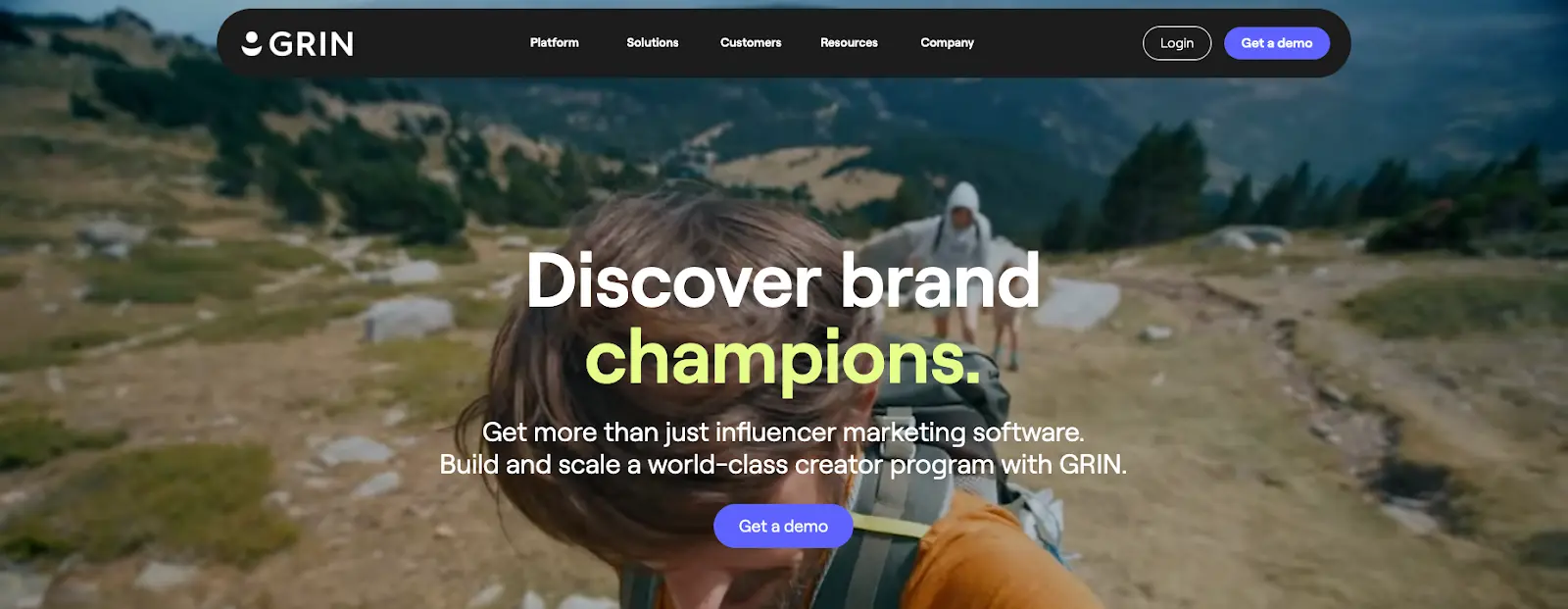
GRIN is a comprehensive influencer marketing platform designed to simplify the management of influencer campaigns for marketers, from discovering creators on social media platforms like Instagram and TikTok to analytics and social listening. Primarily aimed at eCommerce and direct-to-consumer brands, GRIN offers tools for product seeding, affiliate marketing, and detailed campaign tracking.
One of GRIN’s standout features is its integration with eCommerce platforms like Shopify and Magento, enabling brands to link influencer campaigns directly to sales data in other marketing software. The platform also excels in influencer relationship management, allowing businesses to build long-term partnerships with creators.
While GRIN is powerful, its premium pricing and complex interface may not suit all businesses. Smaller brands or those with limited budgets often seek alternatives that offer similar capabilities without the hefty price tag.
Why Are People Looking for GRIN Alternatives?
GRIN is a well-established and robust influencer marketing platform, but it is not without its limitations. Businesses exploring alternatives often do so due to challenges that arise in areas such as cost, complexity, and flexibility. Below, we dive into these common reasons, offering a more detailed exploration of why GRIN may not be the perfect fit for every brand.
Cost
One of the most significant barriers to using GRIN is its premium pricing model. For small businesses, startups, or brands with limited budgets, the high cost of entry can be a dealbreaker. GRIN primarily tailors its offerings to mid-to-large enterprises, meaning that the pricing structure reflects the needs of businesses with extensive campaigns and larger marketing budgets.
While GRIN’s pricing includes a range of advanced tools, smaller companies may not fully utilize these features, making the investment harder to justify. For marketers just venturing into influencer marketing, more cost-effective options can deliver the essentials without straining resources. Despite the cost, GRIN does not include features like fake follower checks that some other platforms include as standard.
Complexity
GRIN’s advanced features, while powerful, come with a steep learning curve. The platform is designed to meet the needs of experienced marketing teams handling large-scale campaigns, which can make it intimidating for smaller teams or newcomers to influencer marketing. Navigating GRIN’s interface, understanding its analytics, and mastering its tools often require time and training. This complexity might deter teams looking for a simpler, more intuitive solution that allows them to get up and running with minimal effort.
Limited Flexibility
Another challenge with GRIN is its strong focus on eCommerce and direct-to-consumer brands. While this focus allows GRIN to excel in supporting product-based campaigns, it can be limiting for businesses operating outside these sectors. Brands with diverse needs, such as B2B companies or those focused on awareness campaigns rather than direct sales, may find that GRIN’s tools are not tailored to their objectives. This lack of flexibility can lead businesses to seek platforms that better align with their unique requirements.
Niche Requirements
Businesses with highly specific goals or operating in unique industries often find that GRIN’s features are too general for their needs. For instance, organizations targeting hyper-niche audiences may require platforms with more advanced audience segmentation or influencer discovery tools tailored to their industry. Similarly, brands with non-traditional campaign structures or experimental strategies may benefit from platforms offering greater customization and adaptability. For these businesses, exploring alternatives with specialized features is often the best course of action.
Exploring alternatives can help you find a tool that aligns more closely with your goals, budget, and campaign complexity.
12 Best GRIN Alternatives
Here are 12 platforms to consider if you’re looking for a GRIN alternative. Each competitor platform offers unique features, pricing models, and strengths, ensuring there’s an option for every business need.
1. Collabstr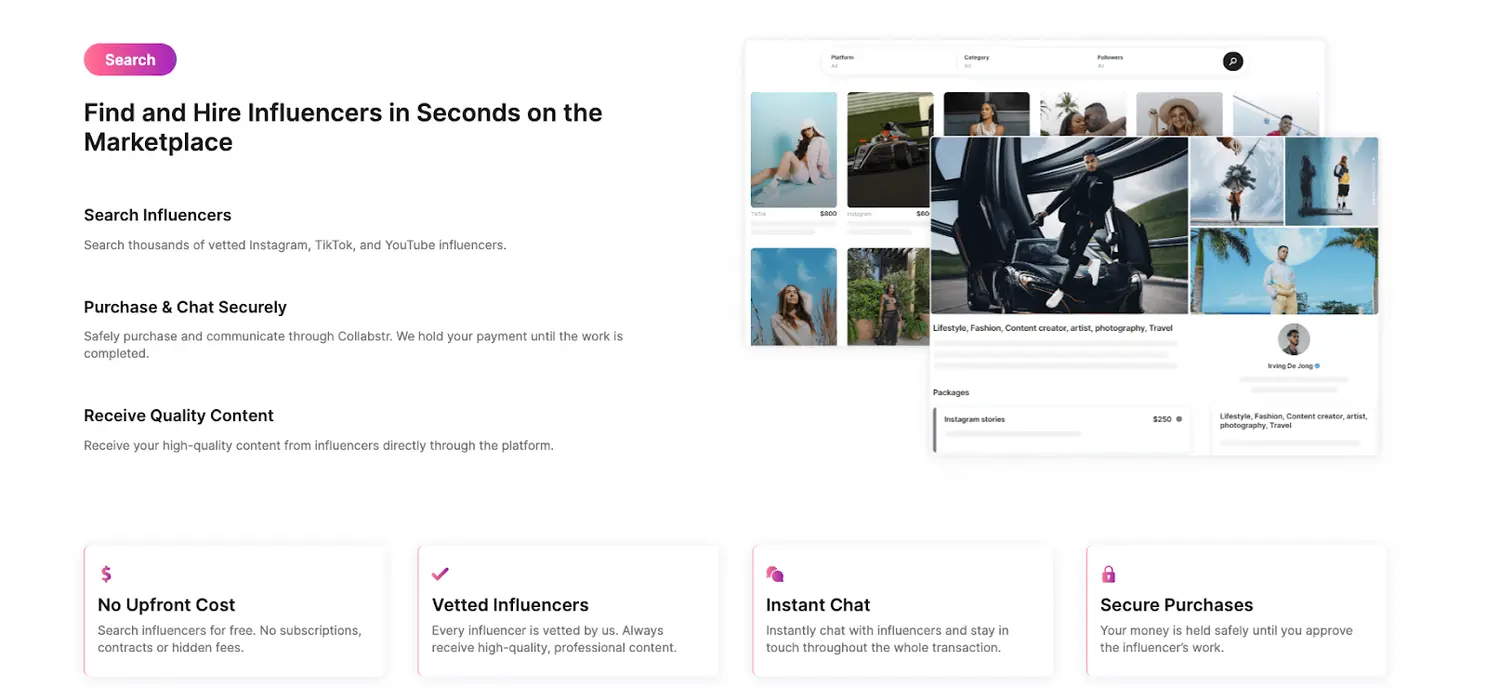
Collabstr is a user-friendly influencer marketing platform designed to simplify the process of finding and collaborating with creators with a large and comprehensive creator marketplace. Its pay-as-you-go model makes it an excellent choice for small to medium-sized businesses or those new to influencer marketing. Collabstr focuses on transparency, affordability, and ease of use, standing out as an accessible alternative to GRIN.
Key Features of Collabstr:
-
Intuitive interface that’s easy for beginners to navigate.
-
Transparent pricing with no hidden fees.
-
Built-in marketplace for discovering influencers across various niches.
-
Direct messaging and campaign brief tools for streamlined collaboration.
-
Content approval and payment tracking features.
Pros:
-
Affordable pay-as-you-go pricing.
-
Ideal for small businesses and startups.
-
Simplifies the influencer discovery process.
Cons:
-
Advanced analytics differ compared to GRIN.
-
May not suit all large-scale marketing campaigns.
Pricing:
Collabstr operates on a pay-as-you-go model, making it cost-effective for brands of all sizes. Pricing depends on the number of influencers you hire and the scope of your campaigns.
2. Aspire
Aspire (formerly AspireIQ) emphasizes building authentic, long-term relationships with influencers. The influencer marketing tool's focus on collaboration and community makes it an excellent choice for brands looking to foster genuine partnerships rather than one-off campaigns.
Key Features of Aspire:
-
Advanced influencer discovery tools with filters for niche, audience, and engagement metrics.
-
Tools for content creation, approval, and collaboration.
-
Community-building features to maintain long-term influencer and creator relationships.
-
Detailed reporting and performance tracking.
Pros:
-
Focuses on authentic, long-term relationships.
-
Great for brands prioritizing high-quality content.
-
Offers tools for community-building.
Cons:
-
Pricing may be higher than other alternatives.
-
Best suited for mid-to-large businesses.
Pricing:
Aspire’s pricing is custom and tailored to your business needs, making it ideal for brands with larger budgets.
3. Upfluence
Upfluence is a comprehensive influencer marketing platform with advanced tools for influencer discovery and campaign management. Upfluence is particularly strong in helping businesses identify influencers whose audiences match their target demographics.
Key Features of Upfluence:
-
Powerful influencer discovery engine with audience demographic insights.
-
Tools for campaign planning and workflow automation.
-
Performance tracking and detailed analytics.
-
Integration with eCommerce platforms like Shopify.
Pros:
-
Excellent for data-driven campaigns.
-
Strong eCommerce integrations.
-
Comprehensive analytics tools.
Cons:
-
Upfluence's premium pricing may not suit smaller businesses.
-
Learning curve for new users.
Pricing:
Upfluence offers subscription-based plans, with pricing tailored to business size and feature needs. Custom quotes are available on request.
4. Heepsy
Heepsy is a straightforward influencer discovery platform ideal for small businesses and those new to influencer marketing. Its intuitive interface and budget-friendly pricing make it a popular choice for brands with limited resources.
Key Features of Heepsy:
-
Search influencers by niche, location, and engagement rate.
-
Audience analytics to ensure influencers align with your target market.
-
Tools for building and exporting influencer lists.
Pros:
-
Affordable and easy to use.
-
Quick influencer discovery.
-
No complex features to navigate.
Cons:
-
Limited campaign management tools.
-
Basic analytics compared to GRIN.
Pricing:
Heepsy offers tiered pricing plans, starting at an affordable monthly rate, with additional features available on higher plans.
5. Klear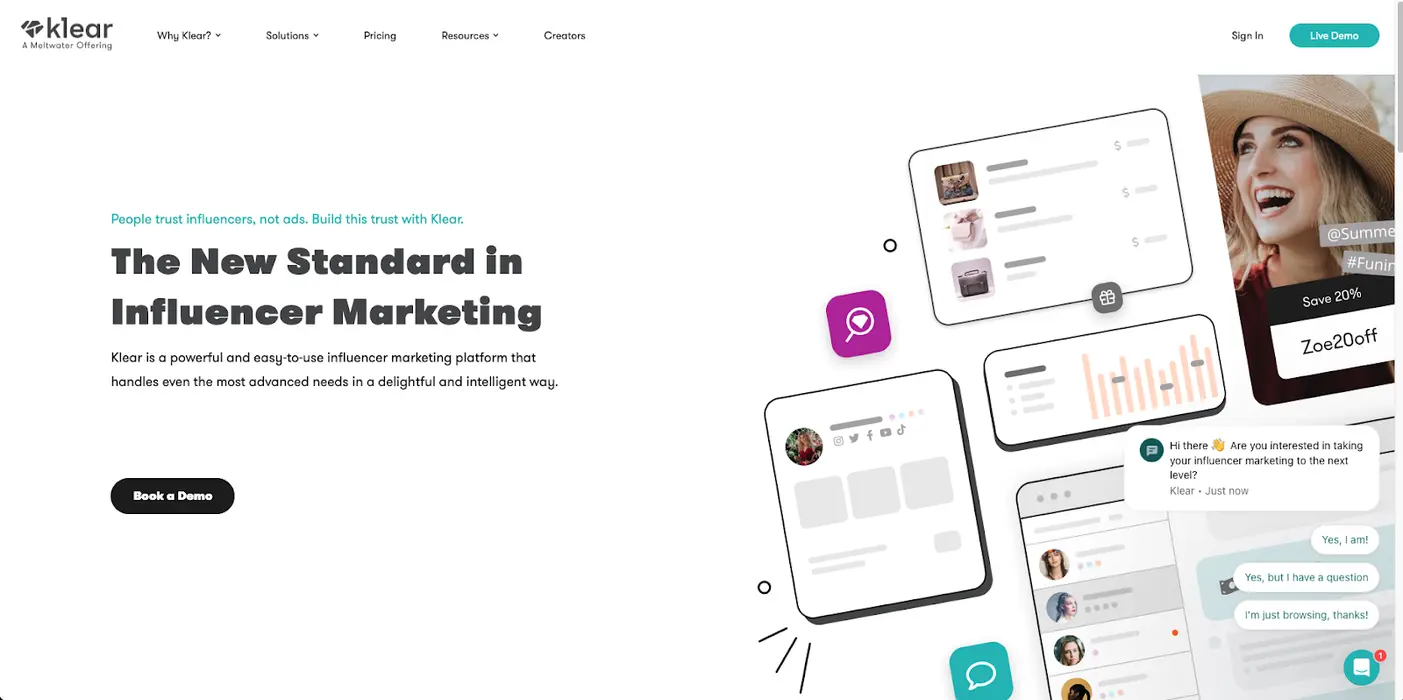
Klear focuses on influencer discovery and relationship management, making it an excellent choice for brands seeking to build long-term partnerships. Its comprehensive database allows businesses to find influencers across various social media platforms.
Key Features of Klear:
-
Advanced influencer search filters.
-
Relationship management tools to track influencer interactions.
-
Campaign monitoring and detailed performance reports.
Pros:
-
Excellent for managing influencer relationships.
-
User-friendly interface.
-
Detailed reporting capabilities.
Cons:
-
Higher pricing compared to some competitors.
-
Limited integrations with eCommerce platforms.
Pricing:
Klear’s pricing is custom and based on your business needs, making it suitable for mid-to-large enterprises.
6. Influencity
Influencity is a data-driven influencer marketing platform that excels in providing precise audience insights and campaign management tools. It’s a great choice for brands that prioritize targeting the right audience and measuring campaign performance accurately.
Key Features of Influencity:
-
Detailed audience demographics and behavior analytics.
-
Advanced campaign tracking and reporting.
-
A large influencer database with customizable filters.
Pros:
-
Exceptional audience targeting capabilities.
-
User-friendly dashboard for managing campaigns.
-
Affordable pricing plans for smaller businesses.
Cons:
-
Limited integrations with eCommerce platforms.
-
Advanced analytics may require some onboarding time.
Pricing:
Influencity offers flexible pricing plans based on usage and features. Its cost-effective structure makes it accessible to small and medium-sized businesses looking to enhance their influencer marketing strategies.
7. Traackr
Traackr focuses on building authentic influencer relationships and long-term partnerships. Trackr's robust suite of tools includes influencer discovery, campaign measurement, and relationship management.
Key Features of Traackr:
-
Relationship management tools for nurturing influencer connections.
-
Advanced influencer discovery with detailed filtering options.
-
Fraud detection to ensure authentic influencer collaborations.
Pros:
-
Ideal for cultivating long-term influencer partnerships.
-
Strong fraud detection capabilities.
-
Comprehensive campaign analytics.
Cons:
-
Premium pricing may not suit smaller businesses.
-
Trackr has a steep learning curve for first-time users.
Pricing:
Traackr provides custom pricing based on the specific needs of your business. Its focus on enterprise-level solutions makes it a strong contender for larger brands and agencies.
8. Creator.co
Creator.co stands out as a community-driven influencer marketing platform that connects brands with micro and nano influencers. It’s ideal for businesses looking to scale user-generated content (UGC) campaigns.
Key Features of Creator.co:
-
Extensive network of micro and nano influencers.
-
Tools for generating and managing UGC campaigns.
-
Built-in performance analytics to track ROI.
Pros:
-
Excellent for brands focused on UGC and micro-influencers.
-
Affordable plans for small businesses.
-
Simple and intuitive platform.
Cons:
-
Limited features for enterprise-scale campaigns.
-
Smaller database compared to larger platforms.
Pricing:
Creator.co offers affordable subscription plans, making it accessible for small to medium-sized businesses. Customized pricing is available for larger campaigns.
9. HYPR
HYPR is a highly analytical platform that emphasizes influencer audience data and fraud detection. It’s best suited for brands that prioritize precision and authenticity in their influencer collaborations.
Key Features of HYPR:
-
Audience demographic analysis for influencers.
-
Real-time fraud detection and engagement metrics.
-
Tools for influencer outreach and relationship management.
Pros:
-
Strong focus on audience authenticity.
-
Excellent fraud detection mechanisms.
-
Comprehensive performance analytics.
Cons:
-
Pricing may be high for smaller brands.
-
Limited tools for managing content approvals.
Pricing:
HYPR provides custom pricing options based on the scale of your campaigns and features required, making it more suitable for mid-to-large-sized businesses.
10. Post For Rent
Post For Rent offers a streamlined approach to influencer marketing, focusing on automation and ease of use. It’s an excellent choice for businesses new to influencer campaigns.
Key Features of Posts For Rent:
-
Automated influencer matchmaking.
-
Tools for campaign management and performance tracking.
-
Payment solutions integrated within the platform.
Pros:
-
Easy-to-use platform with automation features.
-
Transparent pricing structure.
-
Great for small and medium-sized campaigns.
Cons:
-
Limited advanced analytics compared to competitors.
-
Smaller influencer database.
Pricing:
Post For Rent provides budget-friendly options with transparent pricing plans, making it a good entry-level choice for brands starting out in influencer marketing.
11. CreatorIQ
CreatorIQ is an enterprise-grade influencer marketing platform designed for large-scale campaigns and complex influencer programs. CreatorIQ's AI-powered tools and integrations with major social media platforms make it a preferred choice for global brands and agencies managing extensive influencer networks.
Key Features of CreatorIQ:
-
AI-powered influencer discovery and recommendations.
-
Advanced analytics for measuring campaign ROI and performance.
-
Creator IQ offers seamless integration with CRM and eCommerce platforms like Shopify and Magento.
-
Comprehensive tools for fraud detection and audience authenticity verification.
Pros:
-
Robust features tailored for large-scale campaigns.
-
Strong focus on data-driven decision-making with detailed analytics.
-
Integrates seamlessly with existing business tools and workflows.
Cons:
-
High pricing, which may not be suitable for small businesses.
-
CreatorIQ has a steeper learning curve due to its advanced functionalities.
Pricing:
CreatorIQ offers custom pricing tailored to the needs of enterprises and agencies. While it is a premium option, its extensive capabilities make it ideal for brands with significant influencer marketing budgets and requirements.
12. HypeAuditor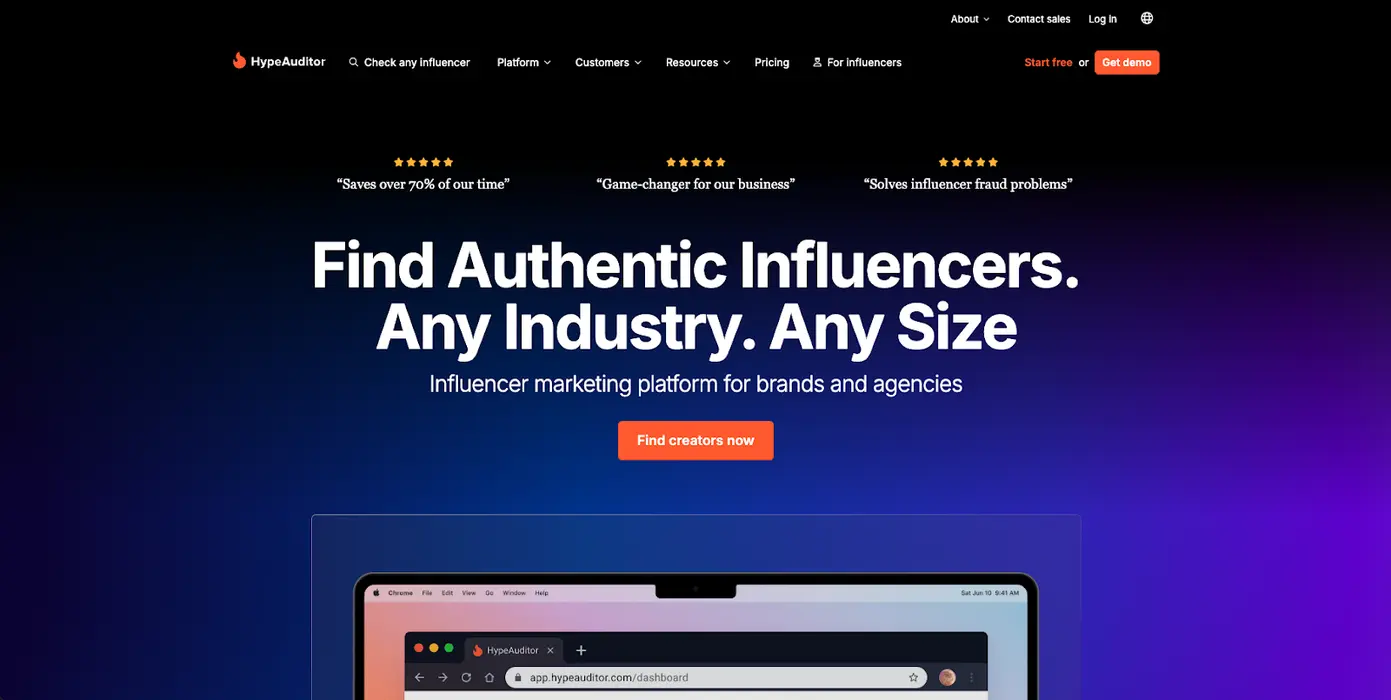
HypeAuditor specializes in influencer fraud detection and detailed audience analysis, making it a powerful platform for ensuring authentic collaborations. It’s a great choice for brands looking to verify influencer legitimacy and gain deeper insights into audience demographics and behavior.
Key Features of HypeAuditor:
-
Advanced fraud detection to identify fake followers and engagement.
-
Comprehensive audience analysis, including demographics, interests, and authenticity metrics.
-
Benchmarking tools to compare influencer performance against industry standards.
Pros:
-
Excellent for verifying influencer authenticity.
-
Detailed audience insights to ensure campaigns reach the right audience.
-
Performance comparison tools for competitive analysis.
Cons:
-
Pricing may not be ideal for smaller businesses.
-
Limited campaign management features compared to more holistic platforms.
Pricing:
HypeAuditor offers several pricing tiers, making it accessible to businesses of varying sizes. Plans are structured based on features and usage, with customized pricing available for larger enterprises.
How to Choose the Best GRIN Alternative
Selecting the right influencer marketing platform depends on several factors. Here are some key considerations:
Budget
Determine how much you’re willing to spend and ensure the platform’s pricing aligns with your financial resources.
Campaign Goals
Define your objectives, such as increasing brand awareness, driving sales, or creating high-quality content.
Features
Identify the tools you need, from advanced analytics to influencer discovery and relationship management.
Ease of Use
Look for a platform with an intuitive interface that fits your team’s technical capabilities.
Scalability
Consider whether the platform can grow with your business and handle larger campaigns as needed.
Testing platforms through free trials or demos can provide valuable insights into which one is the best fit for your needs.
Get Started with Collabstr
If you’re seeking an affordable, user-friendly platform that simplifies influencer marketing, Collabstr is a standout choice. Its intuitive interface, transparent pricing, and emphasis on seamless collaboration make it an excellent alternative to GRIN.
Frequently Asked Questions
Does GRIN Cost Money?
Yes, GRIN is a paid platform. Its pricing model is tailored to each business’s specific needs, typically offering customized plans based on the size and scope of the marketing strategy. GRIN’s advanced features and comprehensive tools make it a premium solution, which can be a worthwhile investment for larger enterprises but may pose a challenge for smaller businesses. To get an exact pricing estimate, businesses should contact GRIN directly for a detailed quote.
How Many Influencers Does GRIN Have?
GRIN boasts a robust network of over 100,000 influencers across multiple industries. This extensive database allows brands to connect with creators who align with their campaign goals, regardless of niche or geographic focus. GRIN’s influencer discovery tools further enhance this network by enabling users to filter influencers based on audience demographics, engagement rates, and other criteria, ensuring brands can find the perfect fit for their campaigns.
Is GRIN a SaaS Company?
Yes, GRIN is a Software-as-a-Service (SaaS) company. It provides cloud-based tools that empower businesses to manage influencer marketing campaigns from start to finish. As a SaaS platform, GRIN operates on a subscription basis, making it scalable for businesses of varying sizes. Its comprehensive suite of features, including campaign management, performance tracking, and influencer communication, positions GRIN as a leader in the influencer marketing space.
Can Small Businesses Benefit from GRIN?
While GRIN offers an impressive array of features, it is often better suited for mid-to-large-sized businesses with established marketing teams and previous experience with influencer or affiliate marketing. Small businesses may find GRIN’s pricing and complexity challenging, particularly if they are new to influencer marketing or have limited budgets. However, small businesses that can leverage GRIN’s advanced tools to scale their campaigns effectively may still benefit, provided they have the resources to navigate the platform.
What Are the Key Features of GRIN?
GRIN’s standout features include advanced influencer discovery tools, campaign management capabilities, and detailed performance analytics. It also provides integrations with eCommerce platforms, enabling brands to seamlessly connect their marketing campaigns with online stores. GRIN’s comprehensive approach to influencer marketing makes it a powerful tool for brands looking to streamline workflows on social platforms and maximize ROI. However, businesses should carefully assess whether these features align with their specific needs and goals before committing to the platform.