9 High ROI Influencer Marketing Tactics for Brands on a Budget
-
Budget-Friendly Influencer Marketing Tactics That Actually Work
- Partnering with nano and micro-influencers
- Prioritizing UGC content
- Choosing affordable niches
- Long-term ambassador relationships
- Repurpose influencer content
- Affiliate and commission-based models
- Focusing your budget on one platform
- Leveraging influencer content for SEO
- Use an influencer marketplace
- Mistakes That Waste Budget on Influencer Campaigns
- FAQs: Influencer Marketing On a Budget
The biggest misconception about influencer marketing is that it requires a big budget to work. The data tells a different story. According to Collabstr's 2026 Influencer Marketing Report, which analyzed over 21,000 collaborations, 80% of brand-creator engagements cost under $300, and more than 40% of UGC campaigns are driven by small businesses spending less than $5K total.
This post breaks down nine high-ROI tactics that budget-conscious brands are using right now—backed by real marketplace data—to get more from influencer partnerships without overspending.
Key Takeaways
-
80% of influencer collaborations cost under $300, making creator partnerships accessible for brands of virtually any size.
-
UGC campaigns grew 133% year over year while costs dropped—making user-generated content the most scalable, budget-friendly format available.
-
Affordable niches like beauty ($210 avg.) and fashion ($217 avg.) offer strong awareness potential without premium price tags.
-
A content-first, platform-flexible strategy consistently outperforms big single-bet campaigns for smaller brands.
Most Influencer Campaigns Cost Less Than $300
Micro and nano-influencers (under 100K followers) outperform larger accounts on engagement. Their audiences are more niche, more trusting, and more likely to act on recommendations. A $150–$300 collaboration with the right creator can drive more meaningful results than a $5K sponsorship with someone whose audience barely notices.
The rise of UGC has accelerated this shift. It costs less, looks more organic, and can be repurposed across platforms, websites, and ads. It’s not about how much you spend, it’s about how smartly you deploy what you have.
9 Budget-Friendly Influencer Marketing Tactics That Actually Work
1. Partner with nano and micro-influencers
This is the highest-leverage move for brands on a budget. Creators with 1k–10k or 10k–100k followers charge far less than larger names, but their engagement rates are often significantly higher because their audiences are smaller, more specific, and more trusting.
On Collabstr, the average cost per engagement on TikTok is $186, Instagram is $193, and UGC is $154—all well within small-business budgets. You don’t need one big-name creator. You need five well-matched smaller ones.
How to measure impact: Compare engagement rate and cost per acquisition across creator tiers. Track whether smaller creators drive more clicks or conversions per dollar than larger ones.
2. Prioritize UGC over traditional sponsored posts
UGC campaigns on Collabstr grew 133% YoY while the average cost dropped to $197. Unlike a sponsored post that lives on a creator’s feed, UGC gives you content you own—reusable across ads, product pages, email, and organic social.
Adweek reports that UGC drives 29% higher conversions than non-UGC campaigns. Every dollar goes further when one asset works across multiple channels.
How to measure impact: Track how many placements each UGC asset gets (ads, site, email, social) and compare conversion rates against brand-produced creative.
3. Choose affordable niches to stretch your budget
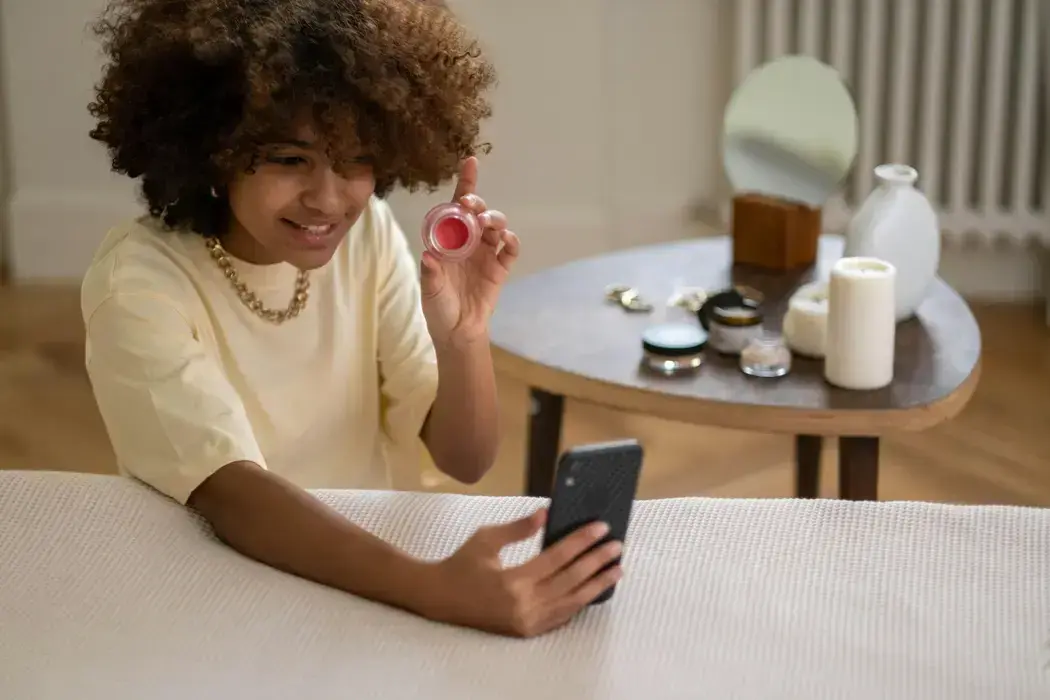
Not all niches cost the same. Beauty ($210 avg.), fashion ($217), gaming ($214), and sports ($233) are among the most affordable on Collabstr. Compare that with skilled trades ($309) or education ($307), where high-intent audiences drive up pricing.
If your brand operates in a lower-cost niche, you can run multiple collaborations for the price of a single expert-niche partnership. Volume and frequency matter when building awareness on a budget.
How to measure impact: Calculate your cost per engagement by niche and compare reach or impressions per dollar across categories.
4. Build long-term ambassador relationships
Ambassador relationships compound in effectiveness when the creator’s audience begins associating your brand with someone they trust.
Repeat partnerships also come with better rates. Creators negotiate more flexibly when the relationship is ongoing, and you eliminate the sourcing overhead of finding new creators every campaign cycle.
How to measure impact: Track branded search volume and repeat purchase rates during ambassador campaigns versus one-off collaborations.
5. Repurpose influencer content as paid ad creative
Creator content looks native to social feeds, which means it often outperforms polished brand ads. A Reel or TikTok from an influencer can be whitelisted as a paid ad or repurposed as a brand-owned asset with usage rights negotiated upfront.
Many nano and micro-creators grant ad usage for a small additional fee. This turns a $200 collaboration into a full-funnel creative asset that drives paid performance for weeks.
How to measure impact: A/B test influencer-generated ad creative against brand-produced assets. Compare click-through rate, cost per click, and ROAS.
6. Use affiliate and commission-based models
If paying per post feels risky on a tight budget, affiliate models let you pay for results. Creators earn a percentage of sales through tracked links or discount codes—so you only spend when revenue comes in.
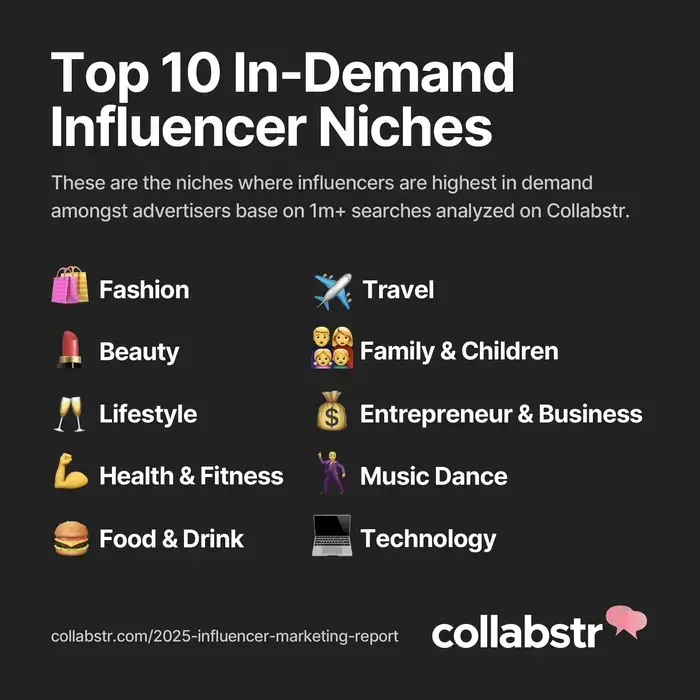
This works especially well in niches where audiences have high purchase intent, like beauty, health and fitness, or lifestyle. A $50 base fee + 15% commission structure keeps costs low while giving creators a reason to say yes.
How to measure impact: Monitor revenue per creator link or code and compare customer acquisition cost against flat-fee campaigns.
7. Focus Your Budget on One Platform at a Time
Spreading a small budget across Instagram, TikTok, YouTube, and X means underinvesting everywhere. Instagram leads influencer campaigns at 40% of engagements, with Reels delivering the highest impressions. If your audience lives there, that’s where your budget should go.
For younger male audiences, YouTube ($255 avg. payout) or Twitch ($127) might be more effective despite higher per-engagement costs. The point isn’t which platform is cheapest—it’s which gives you the best return for your specific audience.
How to measure impact: Compare cost per engagement and conversion rate across platforms before committing budget. Double down on the one with the strongest unit economics.
8. Leverage influencer content for SEO
Influencer content doesn’t have to live and die on social. Embedding creator videos on product pages, quoting reviews in blog posts, or securing backlinks from creator blogs extends the lifespan of every collaboration.
When briefing creators, request a blog mention with a backlink or permission to embed their video on your site. Most creators are happy to accommodate—it requires no extra work and deepens the partnership.
How to measure impact: Track referral traffic and domain authority changes from creator backlinks. Monitor time-on-page for pages with embedded influencer content versus those without.
9. Use an influencer marketplace to cut sourcing costs
For small teams, the hidden cost of influencer marketing isn’t the creator fee—it’s the hours spent finding, vetting, and negotiating manually. That time is expensive when you’re running lean.
Marketplaces like Collabstr let you search by niche, platform, audience size, and price range, then book collaborations directly. With 200,000+ creators across every major niche, you go from idea to live campaign in a fraction of the time.
How to measure impact: Compare time-to-launch and total campaign cost (including internal hours) when sourcing manually versus using a marketplace.
4 Mistakes That Waste Budget on Influencer Campaigns
-
Chasing follower count over relevance. A creator with 500K followers and 0.5% engagement is a worse investment than one with 10K followers and 8% engagement. Match the creator to your audience, not to a vanity number.
-
Running one-off campaigns and expecting long-term results. A single post rarely moves the needle. Commit to ongoing, smaller engagements rather than blowing your budget on one splashy collaboration.
-
Skipping usage rights. If you’re not negotiating the right to repurpose content in ads, on your website, or in email, you’re leaving value on the table. Clarify usage rights upfront
-
Spreading budget across too many platforms. Trying to run campaigns on four platforms with $1,000 means underinvesting everywhere. Pick one. Go deep. Expand later.
Budget Constraints Can Lead to Better Influencer Strategy
With 80% of collaborations costing under $300 and UGC becoming both more effective and more affordable, there has never been a more accessible time for small and mid-sized brands to tap into creator marketing.
Ready to find creators that fit your budget and niche? Explore Collabstr’s marketplace to connect with vetted influencers across every platform and content format.
TL;DR: Influencer marketing on a budget
You don’t need a big budget to run effective influencer campaigns. 80% of collaborations cost under $300. Focus on nano/micro-influencers, and affordable niches like beauty and fashion. Negotiate usage rights so you can repurpose content across ads, email, and your website. Pick one platform, go deep, and measure cost per acquisition—not vanity metrics. Use a marketplace like Collabstr to cut sourcing time and get to market faster.
Frequently Asked Questions
How much does influencer marketing cost for small businesses?
Most influencer collaborations are more affordable than brands expect. According to Collabstr’s 2026 report, 80% of engagements cost under $300. Small businesses with budgets as low as $500–$1,000/month can run multiple micro-influencer or UGC campaigns and see meaningful results.
What’s the difference between UGC and influencer marketing?
Traditional influencer marketing pays a creator to post about your brand on their own channels, leveraging their audience. UGC (user-generated content) pays a creator to produce content that you own and distribute yourself—across ads, product pages, email, and social. UGC is platform-agnostic, typically cheaper, and growing fast: it made up 35% of all campaigns on Collabstr in 2025, up from 15% the year before.
How do I find the right influencers on a small budget?
Start with nano-influencers (1K–10K followers) and micro-influencers (10K–100K) in your niche. Their engagement rates are higher and their rates are significantly lower than larger creators. Influencer marketplaces like Collabstr let you filter by niche, platform, audience size, and price—so you can find well-matched creators without spending hours on manual outreach.
Which social media platform is best for influencer marketing in 2026?
Instagram leads at 40% of all influencer campaigns, with Reels delivering the highest impressions. UGC (platform-agnostic) is second at 35%, followed by TikTok at 21%. YouTube has the highest engagement rate at 6%. The best platform depends on your audience—but if you’re unsure, Instagram is the safest starting point for most brands.
How do I measure ROI on influencer campaigns?
Focus on three metrics: engagement rate (likes, comments, shares relative to reach), cost per acquisition (total spend divided by conversions), and content reuse value (how many additional placements you get from each asset). Use UTM links and unique discount codes per creator to attribute sales directly. For UGC, compare performance of creator content versus brand-produced assets in paid ads.
Is influencer marketing worth it for B2B brands?
Yes—especially in expert-driven niches. Categories like education ($307 avg. engagement), entrepreneurship ($295), and skilled trades ($309) are among the fastest-growing and most commercially valuable on Collabstr. B2B brands can partner with thought leaders and niche experts whose audiences are high-intent and already in the market for solutions.