10 Best Micro-Influencer Marketing Platforms for Brands in 2025
- What Are Micro-Influencer Platforms?
- What Are the Top Features to Look for in a Micro-Influencer Marketing Platform?
- Top 10 Best micro-influencer Marketing Platforms for Your Brand
- Which Is the Best Influencer Marketing Platform for My Brand?
- Ready to Find the Perfect Influencer for Your Brand?
- FAQs
- How Much Do Micro-Influencers Charge Per Post?
- Are Creators and Influencers the Same?
Micro-influencer marketing has become an increasingly popular strategy for brands aiming to achieve authentic engagement and higher conversion rates. In today’s influencer market, brands are leveraging both macro, celebrity names and micro-influencers—typically defined as individuals with follower counts between 10,000 and 100,000—to tap into niche audiences on social media platforms like Instagram, TikTok, and YouTube. These content creators not only generate user-generated content (UGC) but also foster high engagement rates, which can significantly boost campaign ROI.
This comprehensive guide examines the best micro-influencer marketing platforms available in 2025, highlighting their key features, pricing models, and ideal use cases. Whether you’re searching for an influencer market platform with robust analytics or a creator marketplace that simplifies outreach and relationship management, this guide provides valuable insights into streamlining influencer discovery, campaign management, and performance tracking. Ultimately, you’ll learn how each platform can enhance your market campaign strategy by connecting you with the right audience and ensuring authentic partnerships.
What Are Micro-Influencer Platforms?
Micro-influencer platforms are specialized influencer marketing sites designed to help brands discover, manage, and analyze collaborations with micro-influencers, nano-influencers, and other creators. These platforms work as an influencer platform and management tool, making it easier to identify content creators whose demographic and engagement align with your brand’s target audience. In today’s fast-paced social media environment, a successful influencer market program must include capabilities such as social listening, secure payment processing, and in-depth analytics to monitor your campaign’s engagement rate and ROI.

In addition to micro-influencer discovery, many platforms offer campaign management features—including outreach tools, content approval workflows, and relationship management systems—that enable brands to focus on strategy and creative collaboration. Leading platforms, such as Collabstr, Traackr, Upfluence, and CreatorIQ, alongside industry favorites like Klear, Insense, and NeoReach, have revolutionized how brands manage influencer partnerships across various social media channels. They ensure that campaigns are not only data-driven but also emphasize authenticity in content creation and social commerce.
What Are the Top Features to Look for in a Micro-Influencer Marketing Platform?
When evaluating micro-influencer marketing platforms, it is important to consider several functionalities that contribute to the overall success of your influencer market strategy:
-
Advanced Influencer Discovery: Look for tools that allow you to filter creators by niche, geographic location, audience demographics, follower count, and engagement rate. This ensures that you connect with influencers whose content style and social media platform presence align with your brand’s objectives.
-
Campaign Management & Analytics: Robust campaign management features—such as content briefs, scheduling, and secure payment processing—simplify the outreach and collaboration process. Integrated analytics enable you to track key performance indicators (KPIs) like reach, engagement, and ROI, making it easier to optimize market campaigns.
-
Relationship Management: Tools that facilitate relationship management and ongoing collaboration are critical. A platform that offers secure transactions, fraud detection, and tools for tracking communication can protect your brand’s reputation and ensure long-term partnerships.
-
Multi-Platform Support: With influencers active on Instagram, TikTok, YouTube, and emerging social media channels, your chosen platform should provide a seamless way to monitor and analyze content creation and user-generated content across multiple channels.
These features collectively define a strong influencer market platform and empower your brand to execute data-driven, authentic influencer marketing campaigns.
Top 10 Best micro-influencer Marketing Platforms for Your Brand
Below is an overview of the top 10 micro-influencer marketing platforms for brands in 2025. Each section outlines the platform’s unique features, the types of brands that benefit most from its use, and its pricing model where available.
1. Collabstr
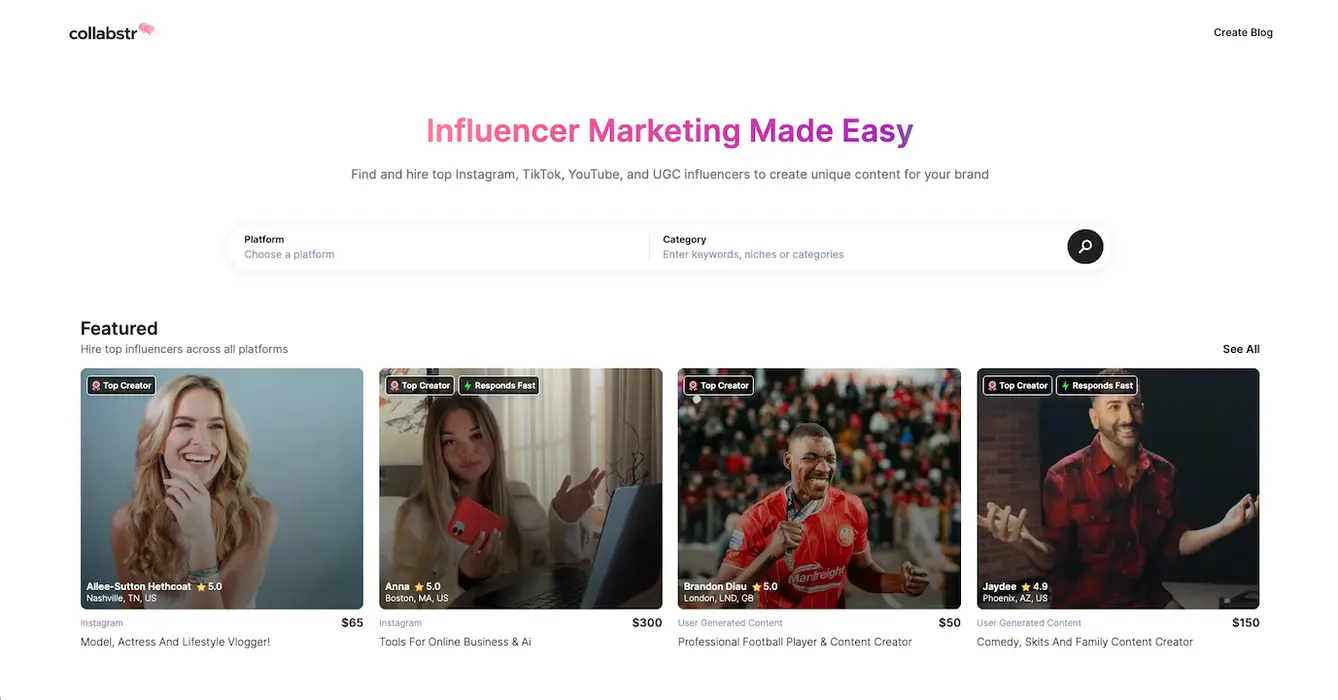
Collabstr is a user-friendly and cost-effective platform designed to simplify influencer collaborations for brands of all sizes. It operates as a comprehensive influencer market platform with a creator marketplace that allows brands to filter and discover micro-influencers based on niche, audience demographics, and engagement metrics.
Collabstr is also the largest open influencer marketplace with over 170,000 vetted creators. In addition, the platform includes robust campaign management tools for managing outreach, tracking performance, and securely processing payments. Brands using Collabstr benefit from its simplicity and focus on fostering long-term partnerships without the complexity often associated with traditional influencer platforms.
2. Upfluence
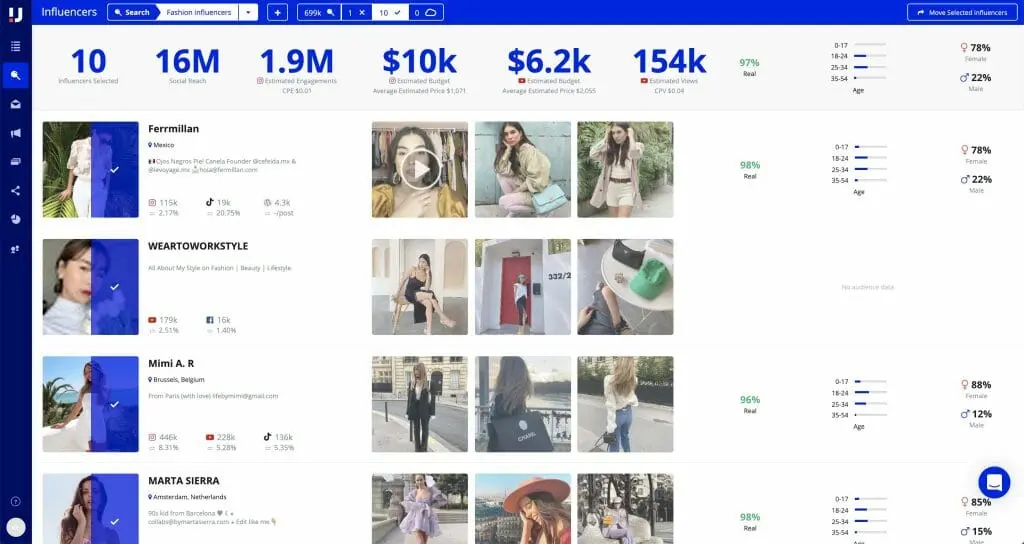
Upfluence is a comprehensive influencer marketing platform known for its advanced influencer discovery and campaign management capabilities. While it has built a strong reputation working with macro influencers, its tools are equally effective for micro-influencer campaigns. With advanced search filters that consider niche interests, audience demographics, and engagement rates, Upfluence ensures your brand can find the right content creators on platforms like Instagram and TikTok. Its robust analytics help track ROI and overall campaign performance, making it an excellent choice for brands looking to scale their influencer market programs—even if premium pricing might be a consideration for smaller budgets.
3. Klear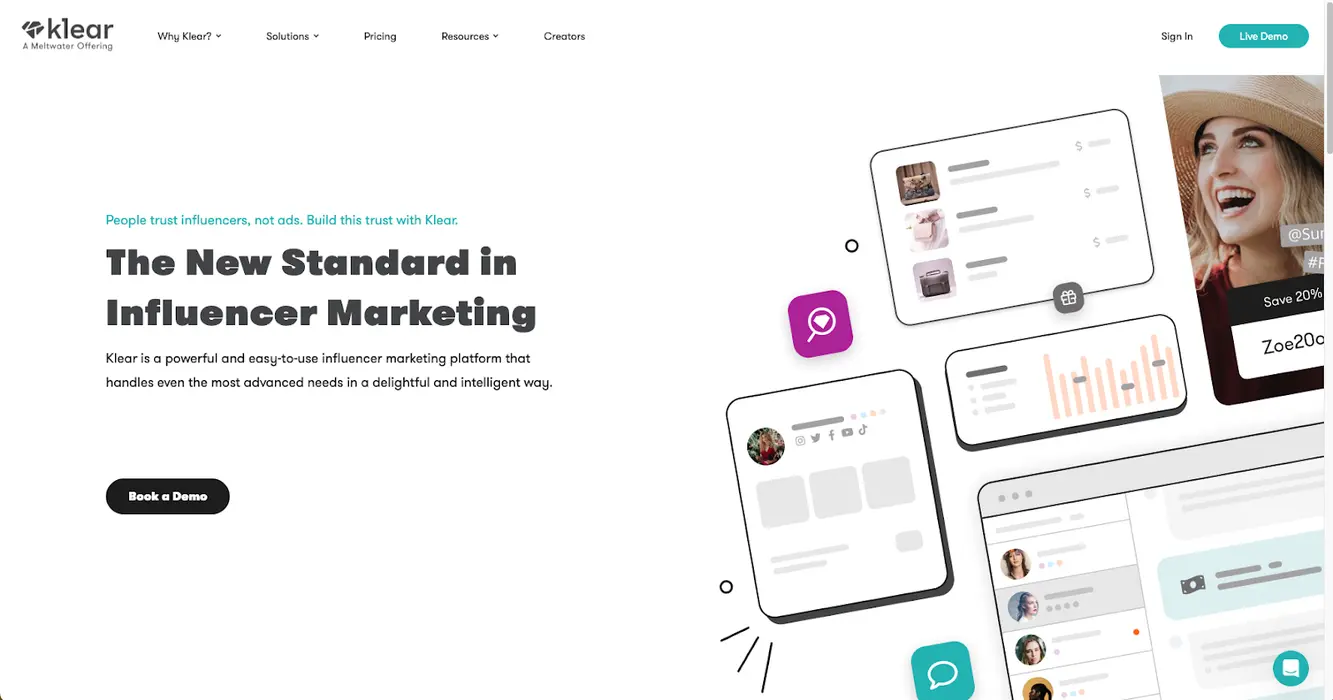
Klear is an influential platform for managing influencer relationships and conducting influencer outreach. Its extensive database of content creators allows brands to filter results by follower count, engagement rate, and audience demographics. With a focus on relationship management and long-term brand partnerships, Klear provides reporting capabilities that deliver actionable insights into campaign performance. This makes it particularly well-suited for brands that require comprehensive analytics and data-driven market strategy.
4. Insense
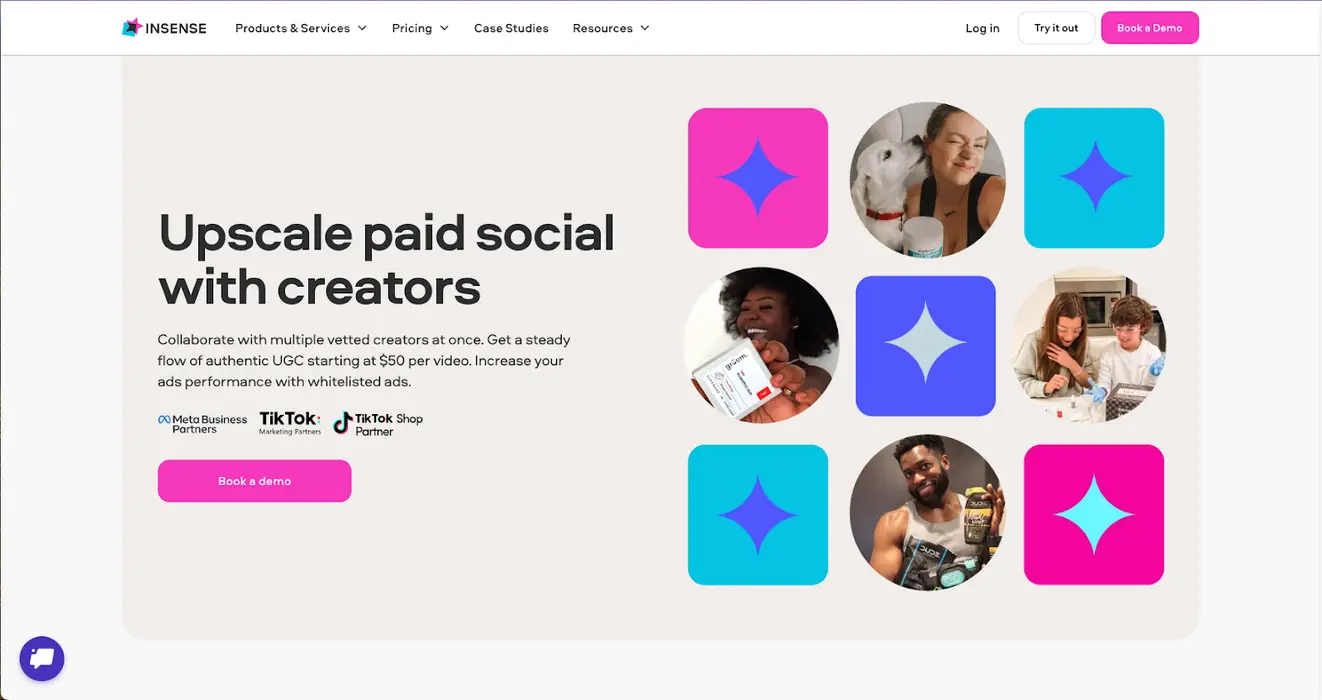
Insense differentiates itself by focusing on content-driven collaborations and streamlining the creative process from discovery to content creation. It enables brands to manage campaign logistics—from briefing influencers to content approval—all within a centralized dashboard. This platform is ideal for brands that prioritize authentic storytelling and high-quality visual content, especially on platforms where user-generated content (UGC) plays a key role in social commerce.
5. #PAID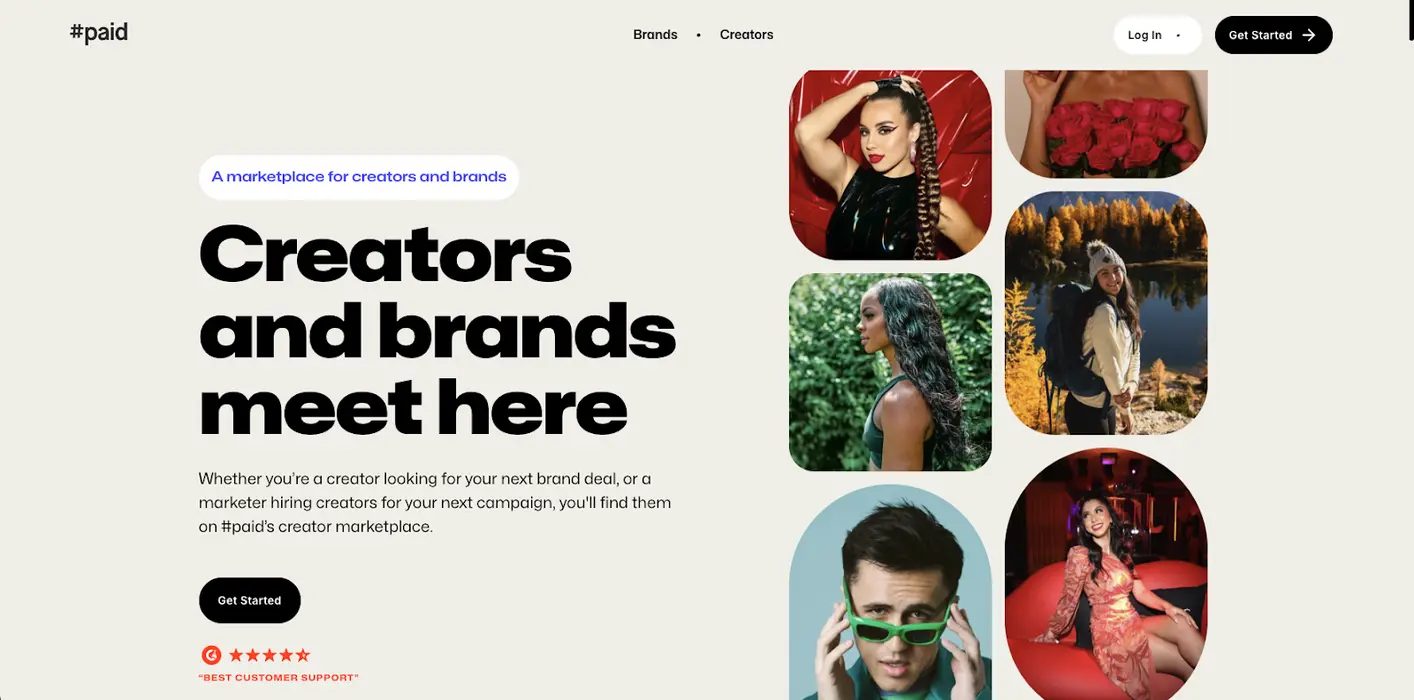
PAID is designed to connect brands with micro-influencers through a performance-oriented approach that emphasizes transparency. By offering clear insights into influencer rates and engagement metrics, PAID allows brands to calculate potential ROI before launching a market campaign. Its efficient campaign management and content scheduling tools are particularly beneficial for small to medium-sized businesses looking to maximize their influencer marketing budgets while driving genuine audience engagement.
6. Inbeat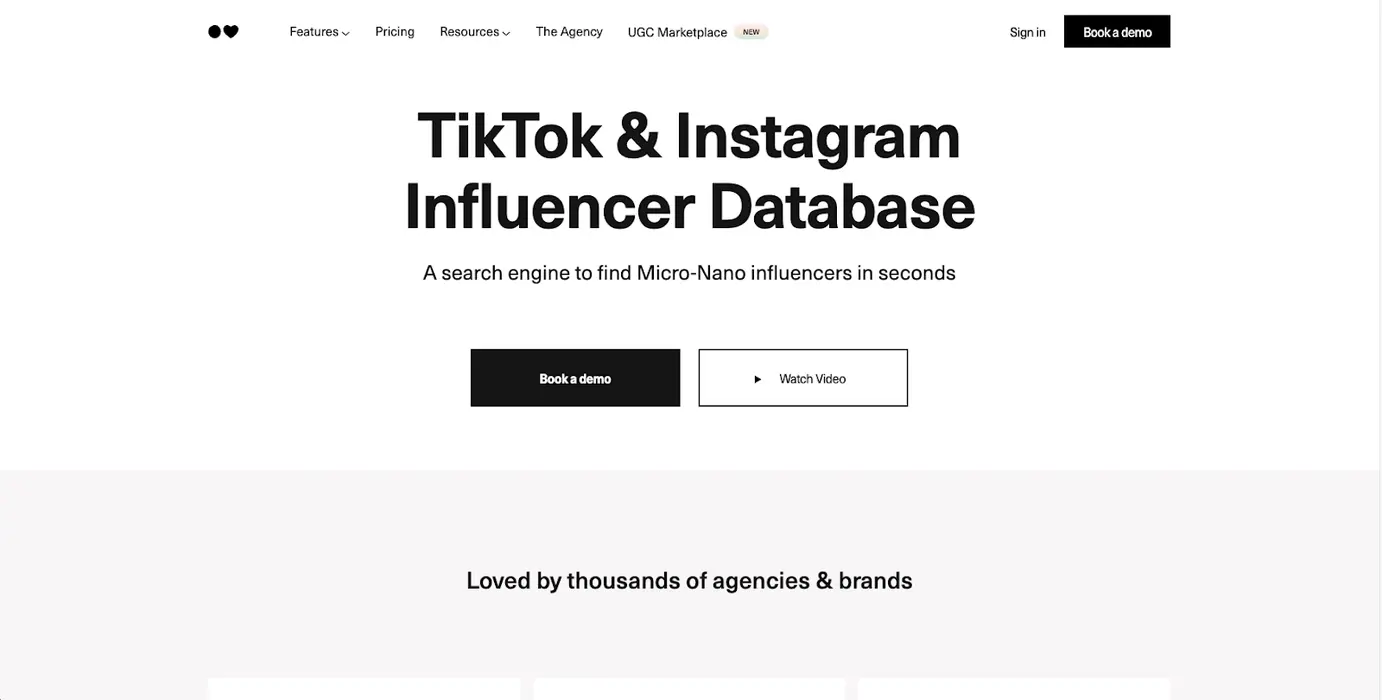
Inbeat provides a modern solution for micro-influencer marketing on TikTok and Instagram by combining detailed influencer discovery with analytics on their performance, helping you get bang for your buck. With a user-friendly interface, Inbeat makes it simple to identify micro-influencers on Instagram and TikTok whose follower counts and content resonate with your brand messaging.
7. GRIN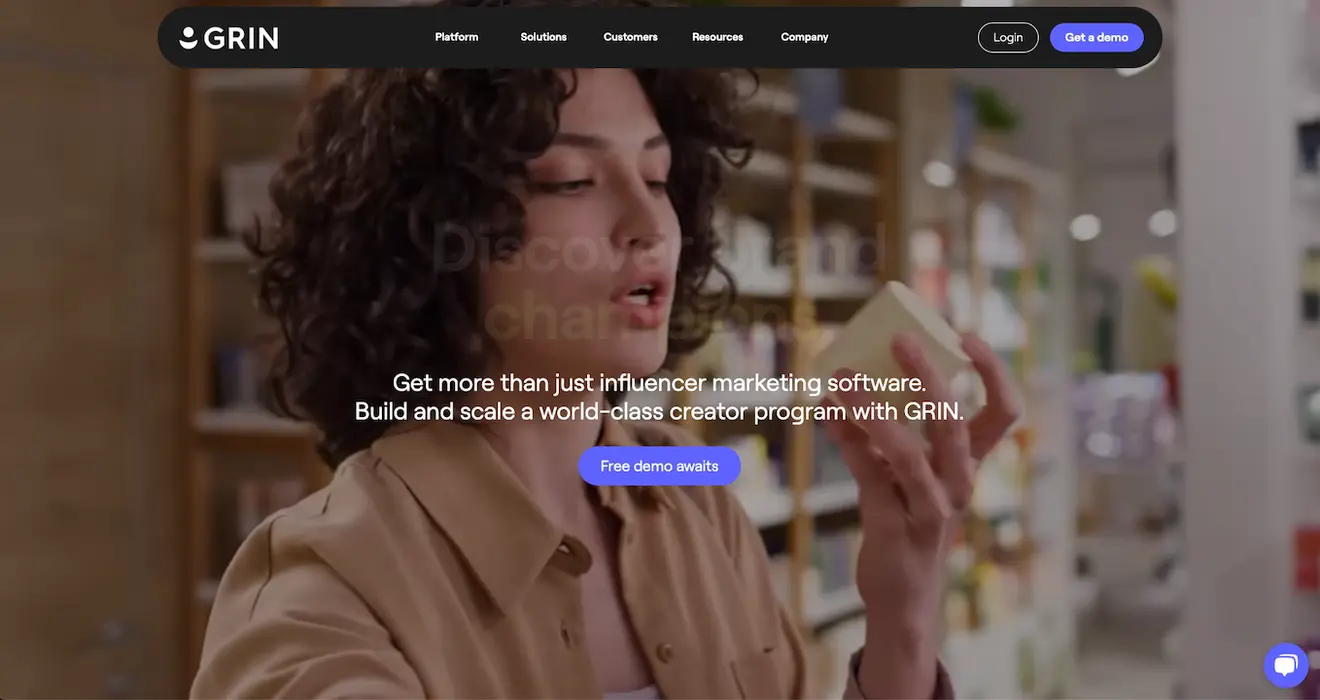
GRIN is a comprehensive influencer marketing platform popular among eCommerce brands. Although renowned for supporting large-scale influencer campaigns, GRIN also offers robust features for working with micro-influencers. Its integrated product seeding and affiliate marketing tools help brands track direct sales resulting from influencer partnerships. With detailed campaign management and analytics, GRIN is an excellent option for brands focused on measurable ROI and social commerce conversions.
8. SocialBlock
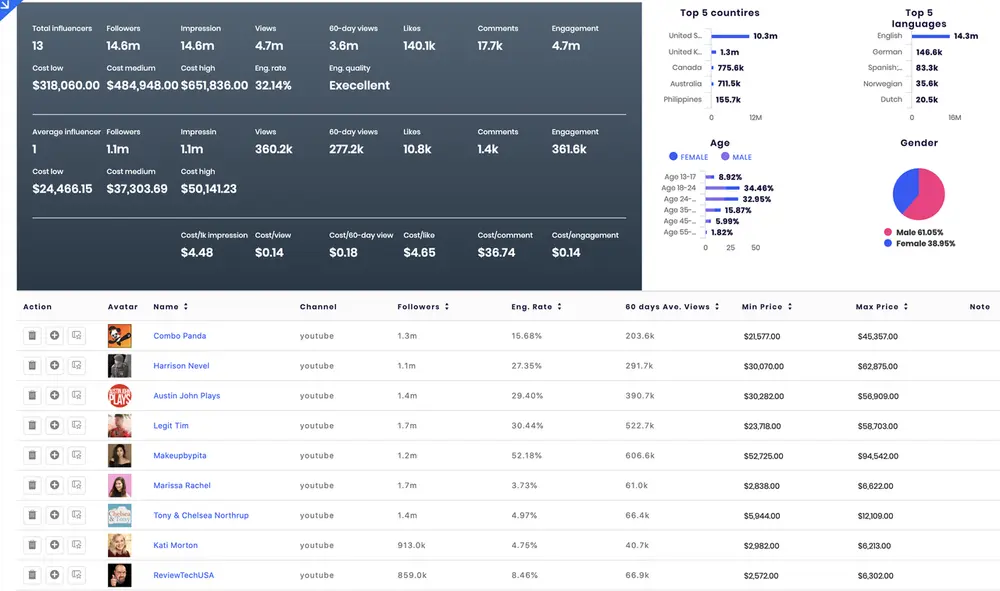
SocialBlock is an emerging platform that caters to brands looking to engage with micro-influencers in niche markets. The platform features an intuitive influencer discovery tool that lets you filter potential collaborators based on engagement rate, niche interests, and audience demographics. With secure transactions and transparent pricing, SocialBlock is ideal for brands seeking authentic influencer partnerships without the complexity of larger influencer marketing platforms.
9. Later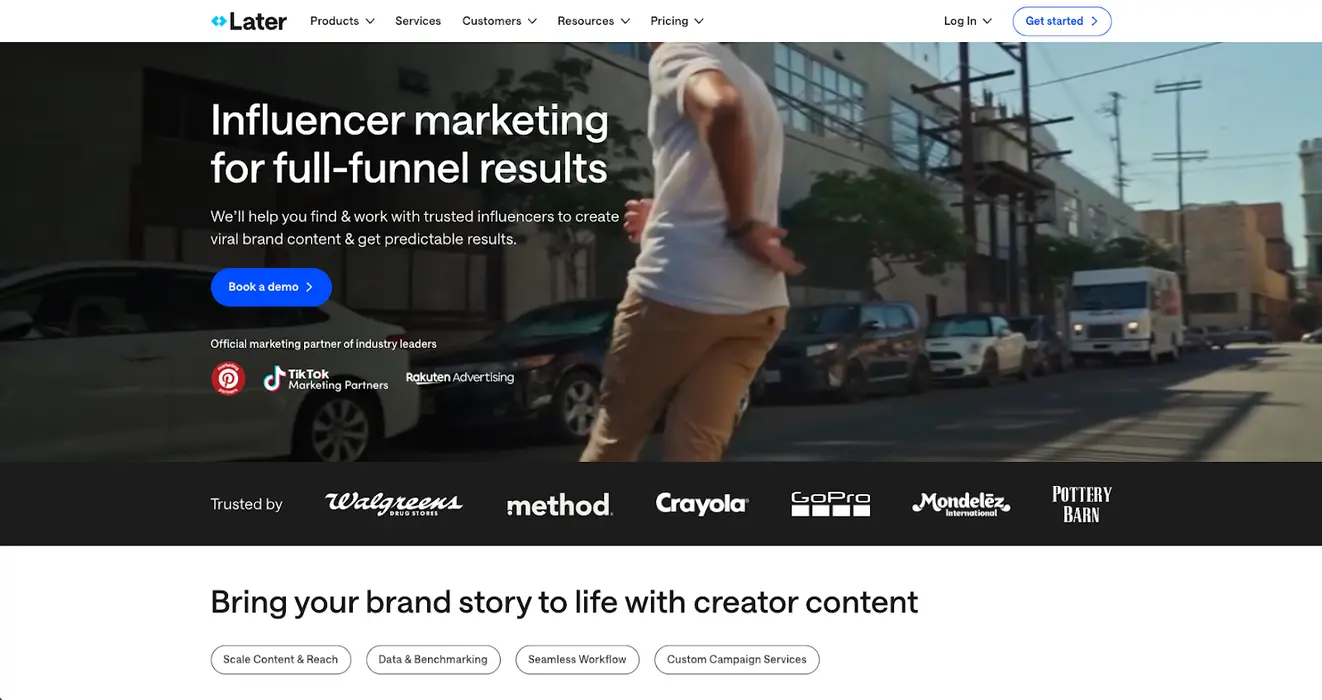
Later Influence streamlines the influencer marketing process by emphasizing content scheduling and performance tracking. Its robust discovery tools help brands identify micro-influencers whose content aligns with specific campaign goals. Comprehensive analytics provided by Later Influence allow brands to optimize content creation and measure campaign ROI, making it particularly suited for visually intensive industries such as fashion and beauty.
10. NeoReach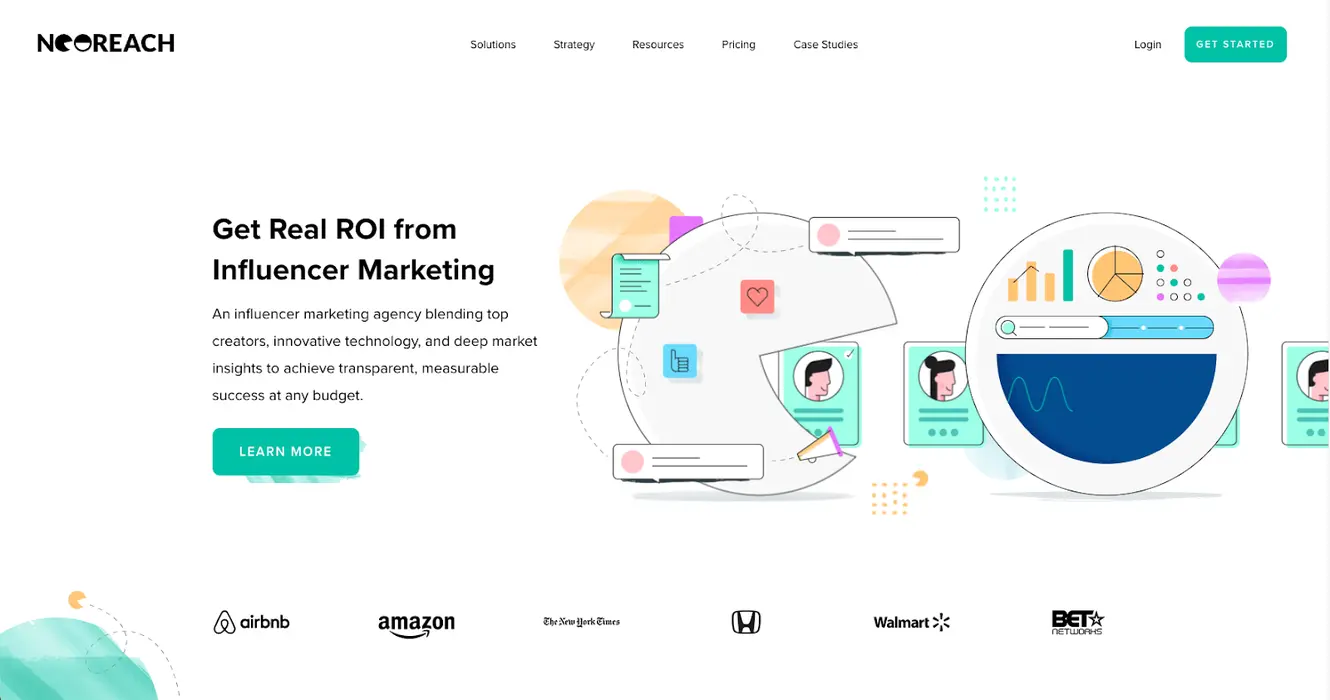
NeoReach is a scalable influencer marketing platform that supports both large-scale and micro-influencer campaigns. Focusing on advanced influencer discovery and campaign analytics, NeoReach enables brands to identify creators based on a wide range of metrics, including follower count and engagement rates. Its detailed analytics suite offers insights that help adjust strategies on the fly, making it a great option for brands that require an enterprise-grade solution while still capitalizing on niche, authentic influencer partnerships.
Which Is the Best Influencer Marketing Platform for My Brand?
Choosing the right influencer marketing platform depends on several factors including your brand’s size, budget, and specific campaign goals. Consider platforms that offer advanced influencer discovery capabilities, robust analytics, and an intuitive interface to ensure seamless campaign management. For example, eCommerce brands needing to drive direct sales might prefer GRIN for its integrated product seeding and affiliate marketing tools, while brands prioritizing creative content might benefit more from Insense’s streamlined content creation process.
Additionally, factors such as customer support, integration with existing marketing systems, and transparency in pricing should be evaluated before finalizing a decision. Conducting a trial run with a pay-as-you-go platform like Collabstr may provide valuable insights into which influencer market platform best aligns with your outreach and relationship management needs.
Ready to Find the Perfect Influencer for Your Brand?
If you are looking to simplify your influencer marketing efforts while ensuring transparent pricing and seamless collaboration, consider exploring Collabstr. With its extensive creator marketplace, robust campaign management tools, and secure transaction processing, Collabstr significantly reduces the complexity of influencer marketing. This platform connects brands with micro-influencers who can generate authentic user-generated content across social media channels like Instagram, TikTok, and YouTube, enabling more effective and efficient market campaigns.
Start your journey with Collabstr today and experience a platform designed to empower brands to achieve measurable results in the influencer market.
FAQs
What Are the Four Types of Influencer Marketing?
The four main types include:
-
Sponsored Content: Where influencers create posts for a brand in exchange for payment or free products.
-
Affiliate Marketing: Where influencers earn a commission based on sales generated through their referral links.
-
Brand Ambassadorships: Long-term partnerships where influencers represent a brand over an extended period.
-
Product Seeding: Providing influencers with free products in exchange for reviews and organic content.
How Much Do Micro-Influencers Charge Per Post?
Micro-influencer fees can vary widely based on niche, audience demographics, engagement rate, and follower count. On average, micro-influencers typically charge between $100 to $500 per post, though rates can fluctuate based on content complexity, exclusivity, and the specific social media platform used.
Are Creators and Influencers the Same?
While the terms are often used interchangeably, there is a subtle difference. Creators focus primarily on producing engaging content and building a community around their work, while influencers leverage their online presence to drive purchasing decisions. Many individuals serve in both roles, acting as content creators and influencers across platforms like YouTube, Instagram, and TikTok.