7 Influencer Marketing Strategies Beauty Brands Use to Win on Instagram
- Key Takeaways
- Influencer Marketing for the Beauty Industry
-
7 Top Influencer Marketing Strategies for Beauty Brands
- 1. Partner with micro-Influencers for authentic engagement
- 2. Collaborate on limited edition or exclusive products
- 3. Create educational or tutorial content
- 4. Encourage user-generated content (UGC)
- 5. Use influencer discovery tools to find the right creators
- 6. Test influencers before committing
- 7. Track performance and optimize for ROI
- Find beauty influencers with Collabstr
- Frequently Asked Questions
TL;DR
For beauty brands, some of the top Instagram influencer marketing strategies are: partnering with micro-influencers, launching exclusive products, creating educational content, leveraging UGC, using discovery tools, testing influencers before hiring, and tracking ROI to optimize campaigns.
Key Takeaways
-
Beauty campaigns perform best when influencers show real product use and create engaging tutorials for their audience.
-
Partnering with micro-influencers can drive higher engagement and authenticity.
-
User-generated content (UGC) campaigns amplify reach and social proof.
-
Testing influencers and tracking ROI ensures campaigns are effective.
-
Using influencer discovery tools like Collabstr helps brands find creators that match their niche and goals.
Influencer Marketing for the Beauty Industry
Everyone knows the power of influencer marketing: it can drive awareness, engagement, and conversions faster than almost any other channel. According to our 2026 Influencer Marketing Report, it’s widely used by beauty brands—but does every beauty brand use it effectively?
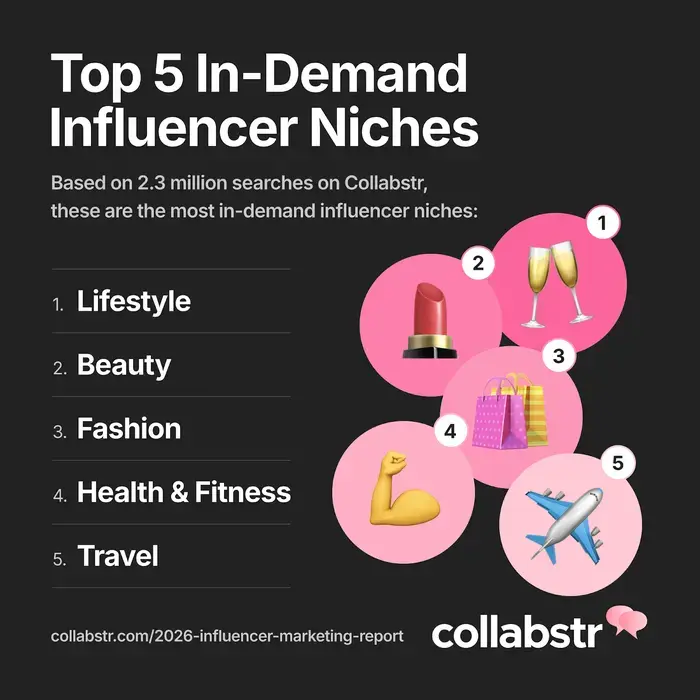
Success depends on industry-specific strategies. Content that works for tech or fitness brands may not resonate with beauty audiences, and vice versa.
In the beauty industry, authenticity, visual storytelling, and product education are key. Audiences want to see products in action, understand benefits, and feel confident that influencers genuinely use what they promote.
For beauty brands, some critical factors include:
-
Visual content matters most: Tutorials, reels, and carousel posts perform better than static images.
-
Community trust: Micro- and nano-influencers often drive more authentic engagement than celebrities.
-
Product experience: Followers care about texture, color, scent, or results—seeing influencers use the product in real life is essential.
-
Trends and timing: Seasonal collections, viral challenges, and limited-edition drops create urgency and excitement.
-
UGC amplification: Encouraging users to share their own content with branded hashtags builds credibility and social proof.
In short, beauty influencer campaigns succeed when they combine engaging, visually appealing content with authentic voices and experiences that matter to the audience. Not every influencer strategy works universally—knowing your audience, tailoring your approach, and working with the right creators are key.
How do you find the top Instagram influencers for beauty brands?
Finding the right beauty influencers is essential for making the most of your influencer marketing. Tools like Collabstr make it easy to discover and collaborate with creators who fit your brand. (We’ll dive into how this works below!)
7 Top Influencer Marketing Strategies for Beauty Brands
What influencer marketing strategies are beauty brands using to win customers on Instagram? We’re sharing seven proven strategies to help you connect with the right influencers, create engaging content, and track ROI effectively.
1. Partner with micro-Influencers for authentic engagement
Micro-influencers—creators with 5,000 to 50,000 followers—often have highly engaged audiences that trust their recommendations. Beauty brands can leverage these relationships to create authentic content that resonates with niche communities. Smaller audiences don’t mean less impact; in fact, engagement rates are typically higher, and campaigns feel more genuine.
Brands should prioritize beauty micro-influencers who align with their brand values and aesthetics, especially for skincare, makeup, and wellness products.
Found a creator you want to work with? Check their engagement with our free Instagram Engagement Rate Calculator.
2. Collaborate on limited edition or exclusive products
Launching products with influencers creates buzz and encourages followers to take action. These exclusive drops not only generate excitement but also increase conversions, as fans are motivated to purchase before products sell out. Influencers can help showcase products through tutorials, unboxing videos, or sneak peeks, making followers feel part of the brand story.
3. Create educational or tutorial content
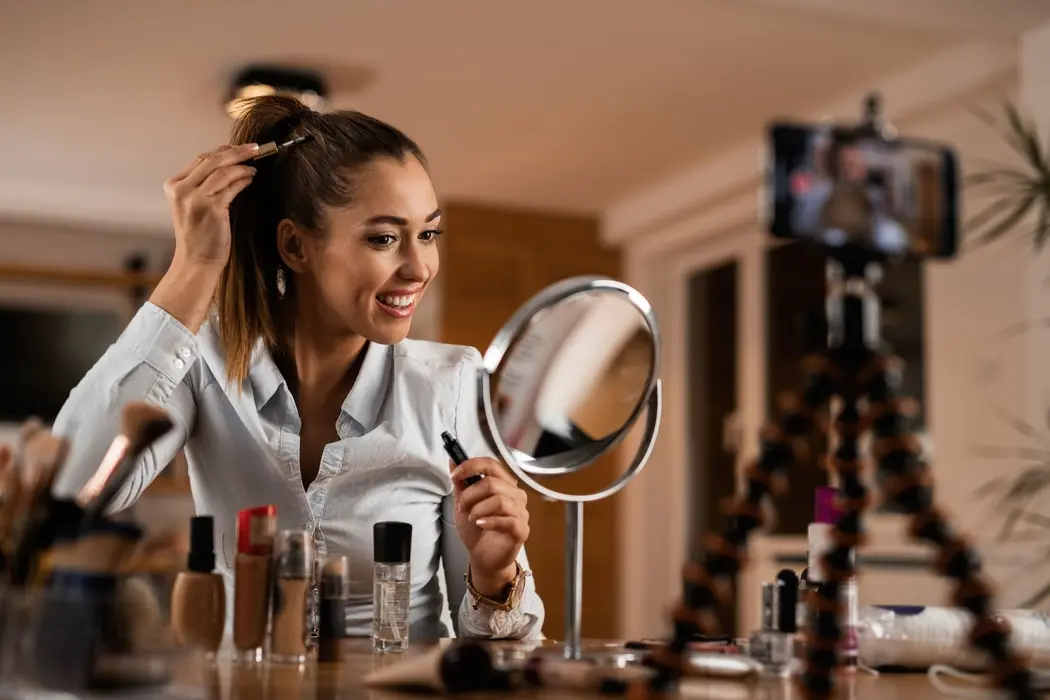
Tutorials and how-to content perform extremely well on Instagram. Beauty brands can collaborate with influencers to create reels, carousels, and IGTV videos that demonstrate product use in real-life scenarios. Educational content helps potential customers understand benefits, positioning your products as solutions to common beauty challenges. Including tips, step-by-step guides, and personal stories can make the content shareable, further expanding your brand’s reach.
4. Encourage user-generated content (UGC)
User-generated content campaigns allow audiences to post with branded hashtags or tag your account. This approach increases brand visibility and creates a library of authentic content that can be repurposed in marketing campaigns. Brands often find UGC influencers via best sites for finding UGC influencers or through influencer marketplaces. Highlighting real users and influencers builds credibility while driving organic engagement.
5. Use influencer discovery tools to find the right creators
Finding the right influencers for your brand can be overwhelming without the right tools. Platforms with filters by niche, platform, price make it easier to find creators who match your brand values.
Popular discovery tools can also help identify influencers for small-to-medium brands, ensuring you’re connecting with partners who will maximize campaign impact. This approach saves time and helps brands make data-driven decisions.
What is the best influencer discovery tool? If you’re a startup or small business, we recommend exploring Collabstr’s free open marketplace because you don’t need a subscription in order to search for beauty influencers.
6. Test influencers before committing
Before launching large-scale campaigns, it’s wise to test influencers on a smaller scale. Pilot campaigns allow you to evaluate engagement rates, audience quality, and the overall fit for your brand. Using software to measure influencer ROI ensures that you’re investing in creators who will generate measurable results. Testing first reduces risk and allows for optimization before committing a significant budget.
7. Track performance and optimize for ROI
Every campaign should have clear KPIs, including engagement, reach, website traffic, and conversions. Using influencer marketing software to track performance lets brands see which creators are actually driving results. By regularly reviewing campaign data, you can fine-tune your strategy, reach the right audience, and get the most ROI from your influencer content. This data-driven approach makes sure every dollar counts toward your marketing goals.
Find beauty influencers with Collabstr
Influencer marketing is a powerful way for beauty brands to grow on Instagram, from boosting engagement to driving sales. By using strategies like partnering with micro-influencers, creating tutorial content, leveraging UGC, and testing campaigns before scaling, brands can create authentic, results-driven campaigns.
Ready to put these strategies into action? Discover beauty influencers with Collabstr, an influencer marketing platform that helps brands discover, connect with, and collaborate with creators who align perfectly with your brand. With the right tools and approach, your next influencer campaign can deliver measurable impact and real ROI.
Frequently Asked Questions
How can I find the best Instagram influencers for beauty brands?
Use influencer discovery tools that have filters for niche, engagement, platform, and more—so you can find creators that match your beauty brand. Marketplaces like Collabstr can help small-to-medium brands connect with relevant creators.
How do I track influencer ROI?
Track key performance metrics like reach, engagement, clicks, conversions, and sales using influencer marketing software or analytics dashboards.
How can I leverage UGC for my beauty brand?
Encourage followers to post content with branded hashtags, and work with influencers to seed UGC campaigns. Repurpose this content for social media, email marketing, and ads.
Should I test influencers before hiring for a large campaign?
Yes. Pilot campaigns help measure engagement, audience quality, and overall fit, ensuring a data-driven approach to influencer partnerships.