Top 16 Influencer Marketing Tools (2026)
- Key Takeaways
- What Are the Benefits of Using Influencer Software?
- Best Influencer Marketplace Platforms
- Best Affiliate and Ambassador Platforms
- Best Influencer Marketing Measurement and Attribution Tools
- Best Audience Intelligence and Social Listening Platforms
- Influencer Marketing Tools: Frequently Asked Questions
Influencer marketing has changed dramatically over the last few years. Brands aren’t just looking for a one-off sponsored post anymore—they’re building always-on creator programs, commissioning UGC they can repurpose across channels, and tracking real ROI. The good news: you no longer need a full agency or a complicated tech stack to do it.
Today’s tools make it easy for any brand to hire creators, connect with social media influencers, and run influencer marketing in-house.
In this guide, we break down the best influencer marketing tools and platforms across four essential categories:
-
Marketplace platforms
-
Affiliate and ambassador platforms
-
Measurement and attribution tools
-
Audience intelligence and social listening tools
We’re sharing four standout options in each category to help you find the right setup for your team—whether you’re launching your first creator campaign or scaling a full influencer program.
Key Takeaways
-
Marketplace platforms help brands hire creators and produce UGC quickly without agency overhead.
-
Affiliate and ambassador tools support long-term creator partnerships and track referral-driven performance.
-
Measurement and analytics tools show which creators and content formats drive real ROI.
-
Audience intelligence tools reveal what your customers care about so you can pick creators and topics that resonate.
What Are the Benefits of Using Influencer Software?
Using influencer marketing software gives brands more control, speed, and transparency than a traditional agency model. Instead of relying on a third party to source creators, manage communication, or report results, software lets your team run campaigns in-house with far fewer bottlenecks. The main benefits of influencer marketing software include:
-
Lower costs: Platforms typically cost a fraction of agency retainers, making it easier for small teams to launch consistent creator campaigns.
-
Direct access to creators: You can find, brief, and hire influencers yourself without waiting on agency timelines or markups.
-
Faster turnaround: Marketplace and workflow tools allow brands to go from idea → creator → content in days, not weeks.
-
Greater transparency: You can see creator pricing, performance data, and communication threads in one place.
-
More flexibility: Build one-off projects, test new creators, or run always-on UGC programs without being locked into long contracts.
-
Easier to scale: Software helps you run multiple campaigns at once and repurpose content across channels.
Influencer marketing software gives brands the speed and efficiency they need to move like an internal creative team without the costs of working with an agency.
Best Influencer Marketplace Platforms
Marketplace platforms give brands a central place to find influencers, evaluate their profiles, and collaborate. These are the best influencer marketplace platforms for brands that want to hire creators directly, streamline workflows, and get content live quickly.
1. Collabstr
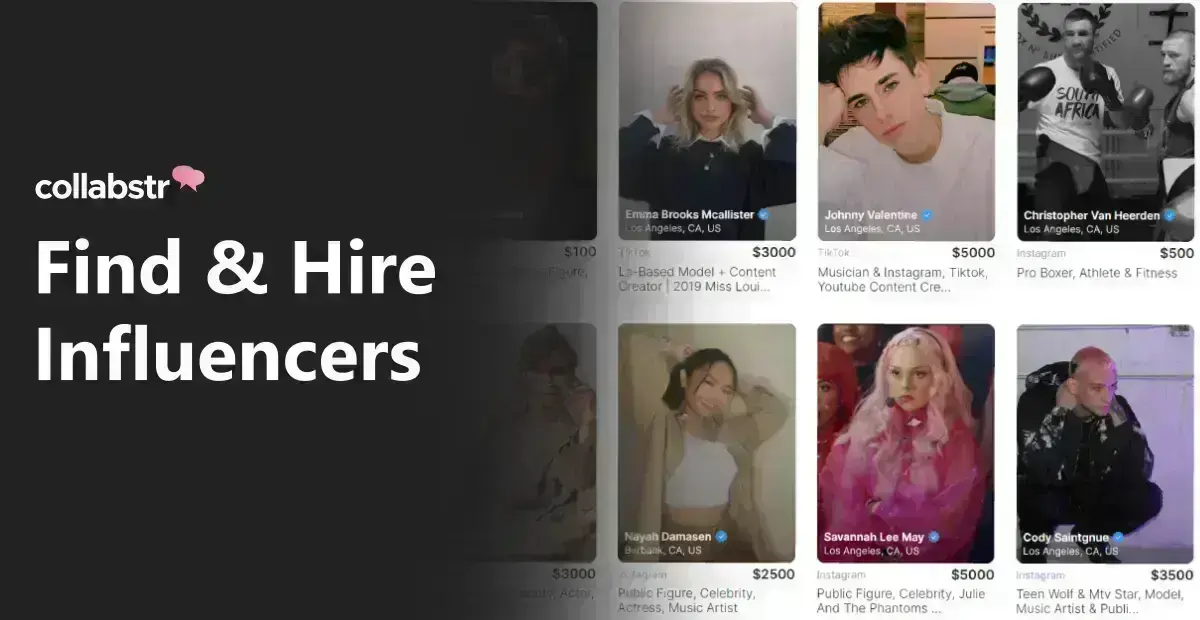
Collabstr is an influencer marketplace where brands can hire influencers and UGC creators directly for content or promotional campaigns. We offer transparent pricing, creator profiles, and a simple but scalable workflow for managing briefs, messaging, and payments.
Key Features:
-
Direct booking with vetted influencers and UGC creators
-
Transparent pricing and secure escrow payments
-
Built-in messaging for briefs and communication
-
Content delivery and campaign tracking in one dashboard
Best For: Brands that want a fast, simple way to hire creators directly and manage UGC or influencer campaigns without an agency.
2. Heepsy
Heepsy is an influencer directory that helps brands locate creators based on niche, location, and audience characteristics. It’s designed for teams that want a straightforward way to shortlist influencers and gather baseline audience insights before outreach.
Key Features:
-
Influencer search with filters for niche, audience, and engagement
-
Audience authenticity and quality checks
-
Basic outreach and campaign list management
-
Performance insights to help evaluate creator fit
Best For: Teams looking for an easy-to-use influencer search tool to shortlist creators and gather baseline audience insights before outreach.
3. GRIN
GRIN is an influencer marketing platform that centralizes creator management, product gifting, communication, and campaign workflows.
Key Features:
-
E-commerce integrations for gifting and sales tracking
-
Workflow tools for recruiting, communicating, and paying creators
-
Reporting dashboards for tracking content and performance
Best For: Brands running ongoing influencer programs that need structured workflows, e-commerce integrations, and full creator relationship management.
4. Modash
Modash is an influencer discovery and data platform that helps brands find and evaluate creators across Instagram, TikTok, and YouTube. It focuses on global search, audience analytics, and workflow tools to support outreach and creator vetting.
Key Features:
-
Audience analytics, authenticity checks, and engagement data
-
Content tracking and unified campaign performance dashboards
-
CRM-style outreach tools with email integration and workflow support
Best For: Brands that want a broad influencer search tool with audience filters and basic workflow support for outreach and evaluation.
Best Affiliate and Ambassador Platforms
Affiliate and ambassador platforms help brands manage long-term creator relationships by tracking referrals, handling commissions, and organizing always-on creator programs in one place.
These affiliate and ambassador tools help brands turn loyal fans and creators into ongoing partners through tracked referrals, commissions, and community-driven engagement.
5. Shopify Collabs
Shopify Collabs is a creator and affiliate tool built directly into Shopify, helping brands recruit creators, share products, and track referral sales from inside their store admin. It emphasizes seamless Shopify integration with tools for sending gifts, generating affiliate links, and automating commission payouts.
Key Features:
-
Creator and affiliate recruitment directly within Shopify
-
Product sharing, discount or referral links, and automated commission tracking
-
Integrated payouts and affiliate management from store admin
-
Easy onboarding for creators via link invitations or open program
Best For: Ecommerce brands on Shopify that want a straightforward, in-house affiliate/creator program without third-party complexity.
6. Refersion
Refersion is an affiliate marketing platform designed for ecommerce brands that want to track referrals, manage commissions, and monitor affiliate performance. It highlights simple link creation, customizable commission structures, and integrations with major ecommerce platforms like Shopify and WooCommerce.
Key Features:
-
Customizable affiliate links, offers, and commission structures
-
Conversion and order tracking across ecommerce platforms
-
Integration with popular ecommerce systems (e.g. Shopify, WooCommerce)
Best For:
Brands running affiliate programs and looking for flexible referral tracking and commission management across multiple ecommerce platforms.
7. Brandbassador
Brandbassador is an ambassador marketing platform that helps brands build communities of creators, customers, and fans. It centers on gamified “missions,” loyalty-style rewards, and long-term engagement tools that support ongoing brand advocacy.
Key Features:
-
Create ambassador campaigns or “missions” for content, referrals, or engagement
-
Reward ambassadors with cash, discounts, or product for completing tasks
-
Dashboard for tracking ambassador activity, performance, and reward fulfillment
-
Support for building a community of recurring creators or fans
Best For: Brands interested in building long-term relationships with ambassadors, fostering loyalty, and scaling recurring collaborations rather than one-off influencer campaigns.
8. Impact
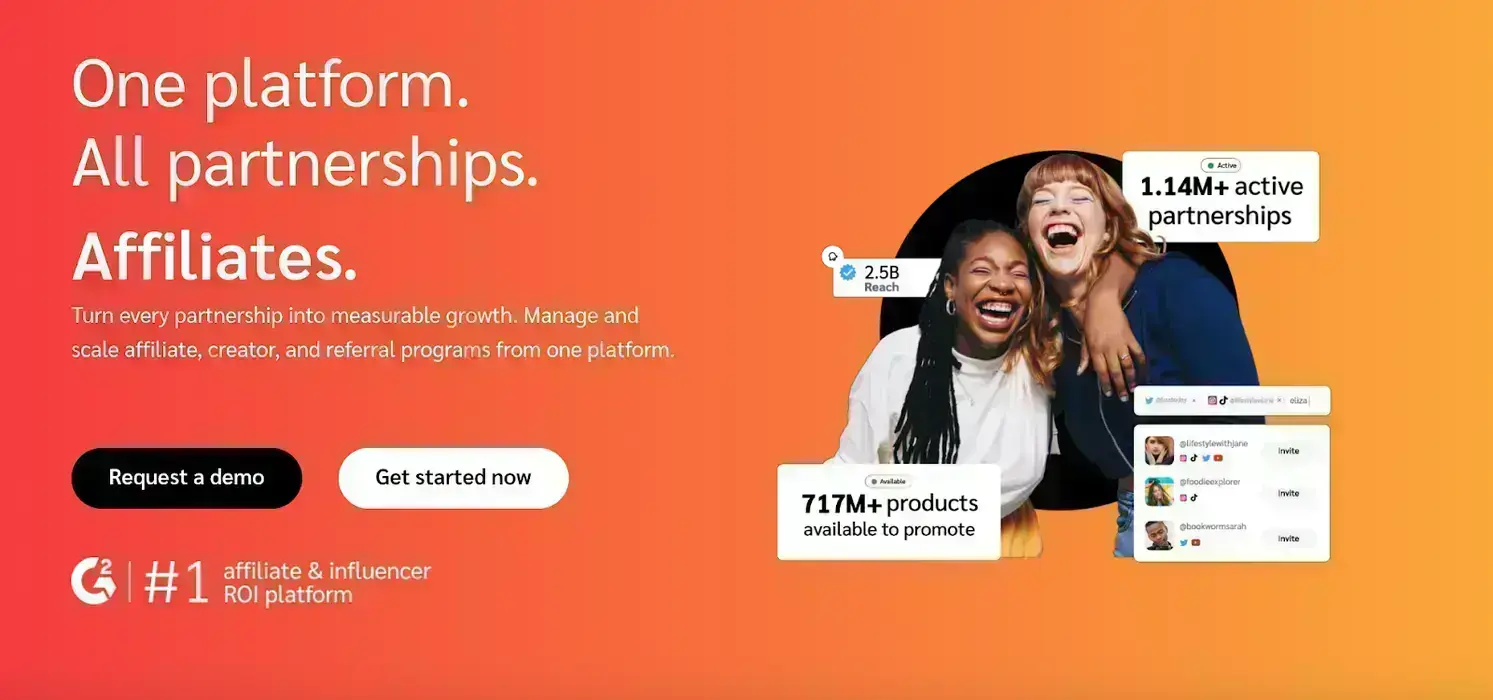
Impact is a partnership management platform that supports affiliate, creator, and referral programs in one system. It focuses on scalable partner onboarding, flexible contract terms, and real-time performance tracking across the full customer journey.
Key Features:
-
Unified partner, affiliate, and creator program management
-
Real-time tracking of conversions, referrals, and revenue from partnerships
-
Flexible contract and commission models for different partner types
-
Tools for onboarding, analytics, and payout management in one system
Best For: Brands or teams ready to scale partnership programs broadly—affiliates, influencers, and referrals—and needing robust tracking, flexibility, and performance reporting.
Best Influencer Marketing Measurement and Attribution Tools
Measurement and attribution tools help brands understand which creator collaborations drive real results by tracking conversions, engagement, and performance across channels.
Here are four measurement and attribution platforms that help brands track creator performance with accuracy and confidence.
9. HypeAuditor (Campaign Reporting)
HypeAuditor offers influencer campaign reporting that tracks performance across Instagram, TikTok, YouTube, and other social platforms. It emphasizes clear, creator-specific metrics—such as reach, engagement, audience authenticity, and content performance—to help brands evaluate results without enterprise complexity.
Key Features:
-
Cross-platform campaign performance dashboards
-
Creator-level reporting with engagement, reach, and audience insights
-
Audience authenticity scoring to reduce fraud risk
-
Exportable campaign summaries for internal or client reporting
Best For: Brands needing straightforward influencer campaign reporting across multiple platforms.
10. Affable.ai
Affable.ai is an influencer marketing platform with built-in measurement tools for tracking campaign performance, ROI, and creator effectiveness. It highlights influencer analytics, automated reporting, and end-to-end campaign tracking to help brands understand impact across creators and content formats.
Key Features:
-
Campaign performance tracking with real-time metrics
-
Creator analytics including reach, engagement, and audience demographics
-
Automated reporting dashboards with exportable insights
Best For: Teams looking for an all-in-one influencer marketing platform with strong, accessible measurement features.
11. Later
Later provides social content performance insights across TikTok, Instagram, and Pinterest, helping brands understand how creator content is performing on their channels. It focuses on accessible visuals, engagement insights, and content benchmarking to support creative optimization.
Key Features:
-
Post and content performance analytics across social platforms
-
Engagement rate tracking and content benchmarking
-
Visual dashboards that surface high-performing trends and formats
-
Scheduling + analytics workflows for campaign planning
Best For: Brands that rely on social content performance to evaluate creator partnerships.
12. Bitly
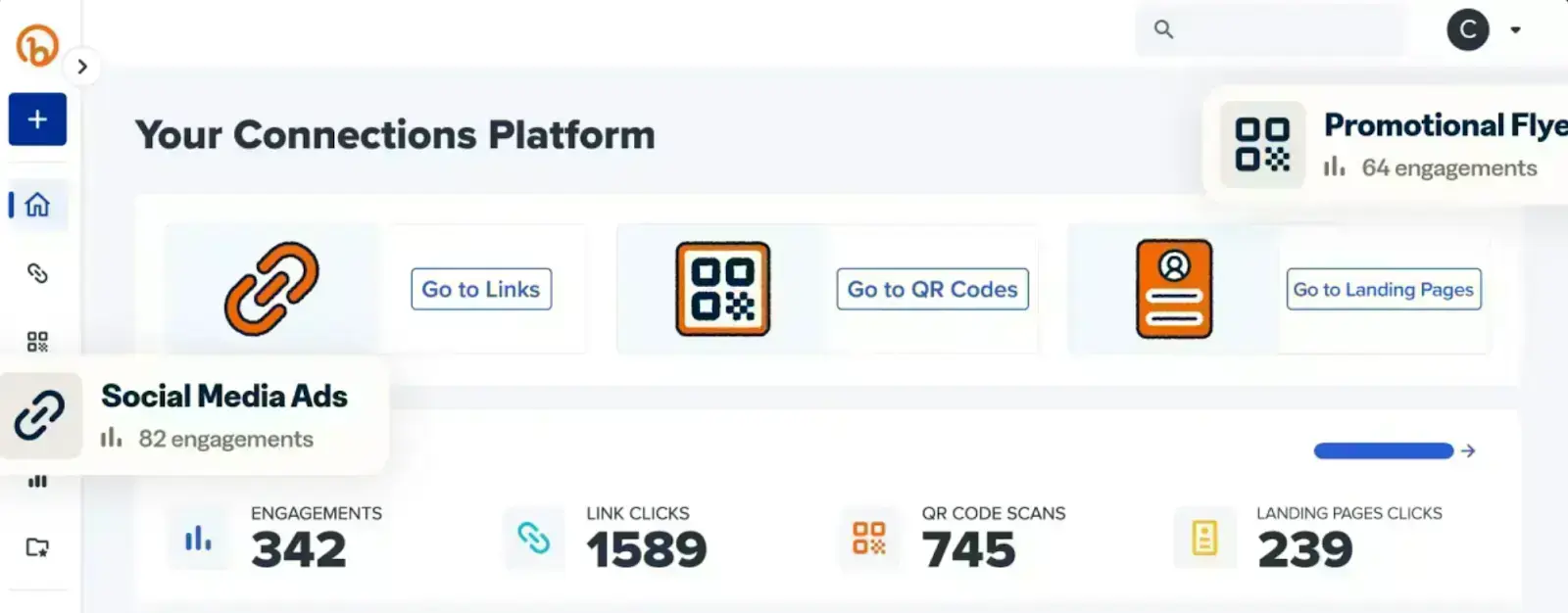
Bitly allows brands to track influencer links using custom tags and campaign groupings. It highlights click-through performance, traffic patterns, and creator-level comparisons—making it a lightweight but powerful tool for evaluating which creators drive action.
Key Features:
-
Custom trackable links with UTM parameters
-
Campaign and creator-level click analytics
-
Traffic source breakdowns for understanding audience behavior
-
Simple dashboards for comparing creator performance
Best For: Brands that want an easy, universal way to track creator-driven traffic and link performance.
Best Audience Intelligence and Social Listening Platforms
Audience intelligence and social listening tools help brands understand what their customers are talking about, which creators they follow, and what topics are gaining momentum across social platforms. These insights make it easier to choose the right creators, shape content strategy, and stay ahead of emerging trends in your niche.
Here are four accessible audience insight and social listening tools that support creator selection and content planning:
13. Mention
Mention is a social listening tool that tracks brand mentions, keywords, and conversations across social media and online sources. It focuses on real-time monitoring and simple reporting, making it easy for teams to understand who’s talking about their brand and what topics resonate.
Key Features:
-
Real-time monitoring across social, blogs, forums, and news
-
Keyword, brand, and competitor tracking
-
Automated alerts and simple reporting dashboards
Best For: Brands that want a lightweight listening tool for tracking conversations and identifying relevant creators or topics.
Sprout Social’s listening tools provide conversation insights, sentiment analysis, and trend detection across social platforms. It emphasizes accessible analytics—designed to show what audiences care about, how sentiment is shifting, and which themes drive engagement.
Key Features:
-
Sentiment and theme analysis across major social platforms
-
Trend and conversation tracking to understand audience interests
-
Creator and keyword insights for campaign planning
Best For: Teams already using Sprout or those wanting intuitive listening and analytics without enterprise complexity.
15. Keyhole
Keyhole is a hashtag, keyword, and influencer tracking tool that helps brands understand how conversations spread across social media. It highlights real-time hashtag analytics, campaign tracking, and influencer performance insights that help brands choose creators based on data.
Key Features:
-
Hashtag and keyword tracking across platforms
-
Influencer performance reporting and reach estimation
-
Campaign monitoring with real-time metrics
-
Historical data for trend and content analysis
Best For: Brands wanting to track hashtags, monitor creator impact, or analyze niche conversations for campaign planning.
16. BuzzSumo
BuzzSumo helps brands discover high-performing content, trending topics, and influential creators across social platforms and online publications. It focuses on content intelligence—showing what’s gaining traction so teams can refine their messaging and identify creators aligned with audience interests.
Key Features:
-
Content analysis to identify top-performing posts across topics
-
Influencer discovery and profile engagement metrics
-
Trend detection for planning timely creator campaigns
-
Competitor insights and content benchmarking
Best For: Brands that rely on content-driven influencer campaigns and want to understand what resonates in their category.
Collabstr: The fastest way to hire creators
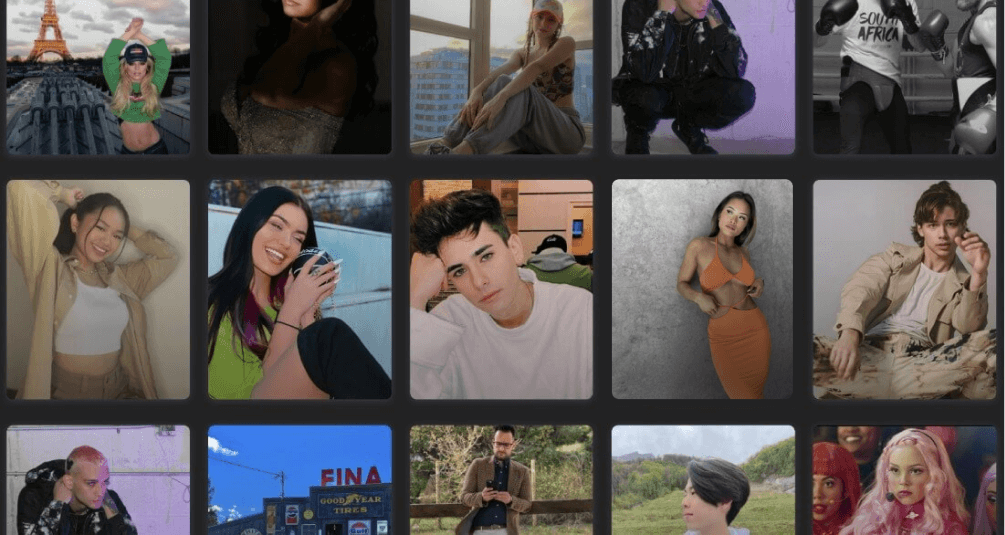
Collabstr is the easiest place for brands to hire influencers and UGC creators directly. You can browse vetted creators, send a brief, approve content, and manage payments all in one place. No agencies, no middlemen, no long contracts.
Whether you need product photos, TikTok content, or a full creator campaign, Collabstr helps you get high-quality content live quickly.
TL;DR
Influencer marketing is easier than ever to run in-house thanks to tools that help brands hire creators, build affiliate programs, measure performance, and understand their audiences. Marketplace platforms like Collabstr let you hire creators directly, while affiliate and ambassador tools support long-term relationships. Measurement platforms track what’s working, and audience intelligence tools help you choose creators and topics your customers care about. With the right mix of tools, brands can launch and scale creator programs without the cost or complexity of an agency.
Influencer Marketing Tools: Frequently Asked Questions
What is the best tool for hiring influencers quickly?
Marketplace platforms like Collabstr are the fastest way to hire creators because they let you browse profiles, see pricing upfront, and book directly without outreach or negotiations.
Do I need an agency to run influencer marketing?
Not anymore. Most brands use a combination of marketplace tools, affiliate platforms, and performance tracking tools to manage influencer marketing in-house.
What tool should I use to track influencer performance?
Tools like HypeAuditor, Affable.ai, Later Analytics, or even Bitly can help you measure engagement, traffic, conversions, and overall campaign impact.
What’s the difference between a marketplace and a discovery tool?
Marketplace platforms let you hire creators directly with pricing and workflows built in. Discovery tools help you find and evaluate creators, but outreach, negotiation, and management are handled separately.
How many tools do brands typically need?
Most teams start with one marketplace tool and one analytics tool. As programs grow, they layer in affiliate platforms or audience insight tools to support long-term strategy.