Collabstr vs. Aspire vs. CreatorIQ: 2026 Platform Comparison
Influencer marketing platforms help brands discover, hire, and manage creators at scale. As more companies invest in influencer partnerships, tools like Collabstr, Aspire, and CreatorIQ have become some of the top influencer marketing platforms for running campaigns and managing collaborations.
However, each of these platforms is built for different types of brands. Some operate as marketplaces for hiring influencers directly, while others provide enterprise software for managing large creator programs.
In this guide, we compare Collabstr vs. Aspire vs. CreatorIQ to help you understand their features, pricing, and which platform is the best influencer marketing software for your brand in 2026 and beyond.
Key Takeaways
-
Collabstr operates as an open marketplace for hiring influencers, allowing brands to search, compare, and book creators directly with transparent pricing.
-
CreatorIQ is enterprise-level influencer marketing software, designed for large brands that require deep analytics, integrations, and campaign management.
-
Aspire focuses on long-term creator relationships, making it useful for brands building ambassador programs rather than one-off collaborations.
What Are the Best Influencer Marketing Platforms in 2026?
The influencer marketing software landscape has grown rapidly over the past few years. When evaluating the top influencer marketing platforms in 2026, most tools fall into two main categories: creator marketplaces and enterprise influencer marketing platforms. Understanding how these two models differ is the first step when comparing influencer tools and deciding which platform best fits your brand’s needs.
Influencer marketplaces
Creator marketplaces function similarly to hiring platforms. Brands can browse a database of creators, view pricing, analyze profiles, and hire influencers directly.
These platforms typically include:
-
Built-in creator search filters
-
Transparent creator pricing
-
Direct booking and communication
-
Campaign collaboration tools
Because of this self-serve structure, marketplaces are particularly useful for startups or small businesses running micro-influencer or UGC campaigns. They’re also great for fast-moving product launches.
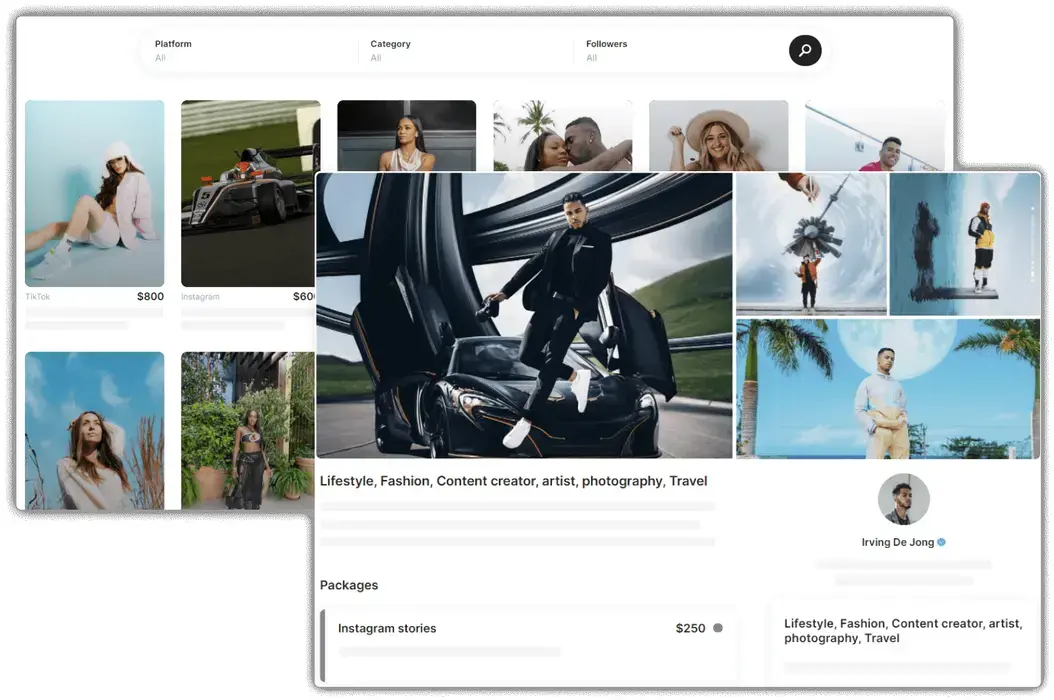
Collabstr is one of the most recognizable platforms in this category because it’s the largest open marketplace—giving you ungated access to 170,000+ influencers across dozens of niches.
Enterprise solutions
Enterprise solutions focus less on open marketplaces and more on campaign management, analytics, and creator relationship management.
These tools typically include:
-
Workflow and campaign management systems
-
Advanced reporting and attribution
-
Brand safety and compliance tools
Platforms like Aspire and CreatorIQ fall into this category and are widely used by larger brands that manage influencer marketing at scale.
Platform Overview: Collabstr vs. Aspire vs. CreatorIQ
When comparing influencer marketing software, it helps to understand how each platform is positioned within the industry.
What is Collabstr?
Collabstr is the world’s largest open marketplace for hiring influencers, allowing brands to discover and collaborate with creators across platforms such as Instagram, TikTok, and YouTube.
One of its core strengths is its built-in creator search system, which lets brands filter influencers by niche, audience size, location, and content category.
Key features include:
-
Searchable influencer marketplace
-
Transparent creator pricing
-
Direct hiring without long contracts
-
Built-in messaging and campaign tools
Because brands can easily filter by niche and audience demographics, Collabstr is often considered one of the best platforms to find niche influencers (from beauty influencers to fitness influencers) and micro-creators for targeted campaigns.
It’s also widely used for UGC campaigns, where brands hire creators to produce content rather than promote it to their audience.
What is Aspire?
Aspire is an influencer marketing platform focused on long-term creator relationships rather than open marketplace transactions.
Instead of browsing a public marketplace, brands typically recruit creators into a managed program or community. This structure is designed for companies running ongoing influencer partnerships.
Key capabilities include:
-
Creator relationship management
-
Campaign workflow automation
-
Influencer outreach tools
Because of these features, Aspire is often used by mid-sized brands that want tools to help brands find creators and maintain long-term collaborations. While it includes creator discovery features, the platform emphasizes relationship building.
What is CreatorIQ?
CreatorIQ is widely recognized as one of the most robust enterprise influencer marketing software platforms available today.
The platform is designed for large organizations that run complex influencer campaigns across multiple markets and social networks.
Its feature set typically includes:
-
Advanced analytics and reporting
-
Brand safety monitoring
-
Integration with enterprise marketing systems
Due to its extensive analytics and infrastructure, CreatorIQ is often chosen by global brands running large influencer programs. However, the platform’s enterprise focus also means it is typically more expensive and complex than creator marketplaces.
Influencer marketing tools: feature comparison
When comparing influencer tools for brands, the most important areas to evaluate are creator discovery, hiring workflows, and campaign management features.
Creator discovery & search
One of the biggest differences between influencer platforms is how brands discover creators.
Creator marketplaces like Collabstr offer influencer marketplaces with built-in search features that allow brands to filter creators by:
-
Niche or industry
-
Audience size
-
Location
-
Engagement metrics
-
Content platform
This makes marketplaces particularly effective for brands trying to find niche influencers quickly.
Enterprise platforms like CreatorIQ rely more on internal creator databases, while Aspire blends database search with relationship-based recruiting.
For brands focused on targeted influencer discovery, marketplaces tend to provide the fastest path to identifying creators.
Hiring & campaign management
Another major difference is how brands actually hire influencers and work with influencers.
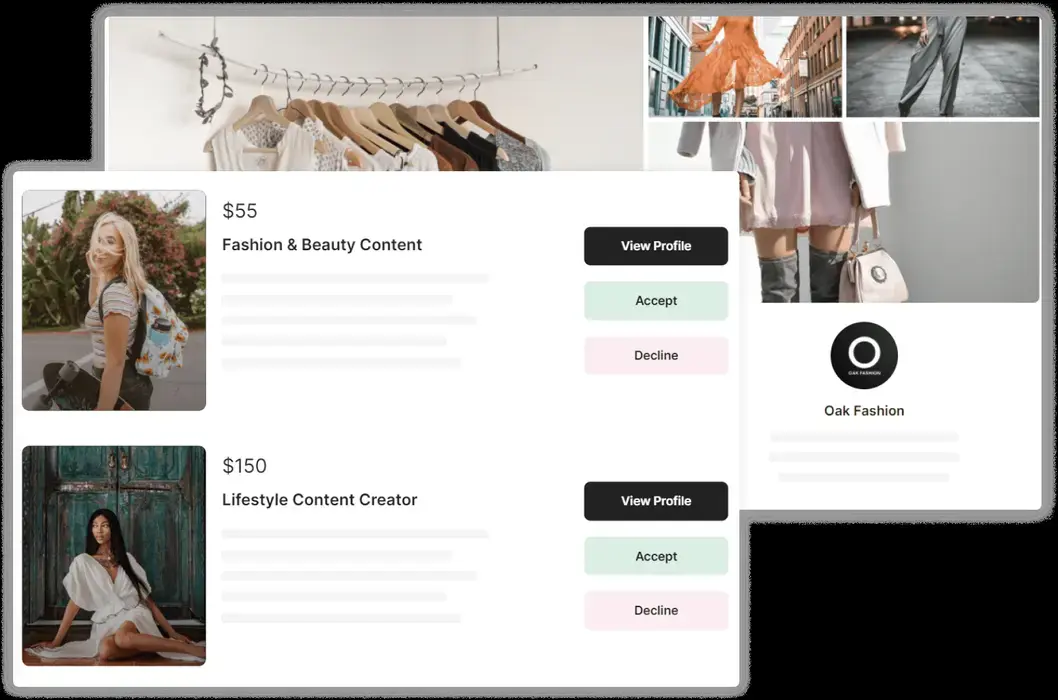
Marketplaces typically allow brands to hire influencers directly through the platform, similar to hiring freelancers.
This approach works well for:
-
One-off collaborations
-
Product seeding campaigns
-
Short influencer promotions
Enterprise platforms, on the other hand, focus on campaign workflow management.
These tools can help marketing teams manage:
-
Long-term contracts
-
Multi-campaign collaborations
-
Performance tracking
For large brands managing dozens or hundreds of influencers at once, these workflow tools can be essential.
UGC & content creation campaigns
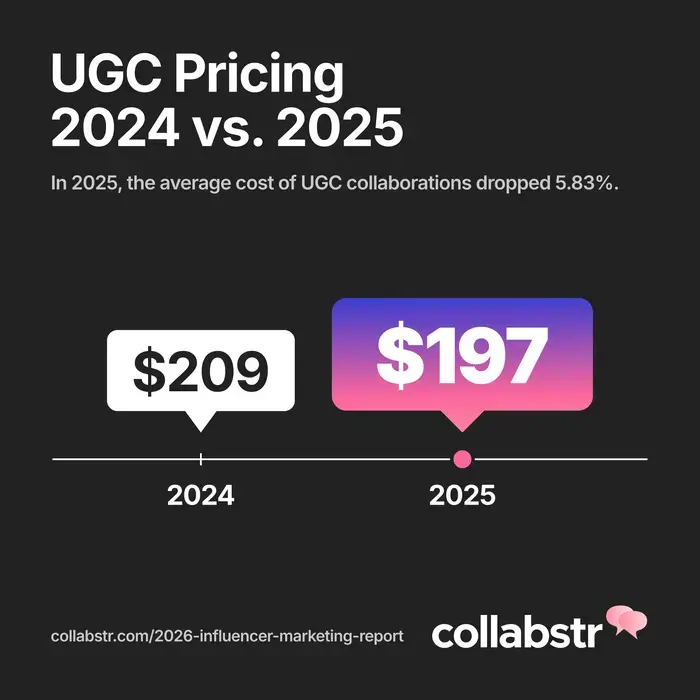
User-generated content campaigns have become one of the fastest-growing influencer marketing strategies. (And thanks to demand, it’s also becoming more affordable. According to our 2026 Influencer Marketing Report, the average cost of UGC collaborations has dropped over the past year.)
What is UGC? Instead of paying creators for audience reach, brands hire them to produce content such as product demonstrations, tutorials, or lifestyle imagery.
Because of their open creator networks, marketplaces like Collabstr are often the best influencer marketing tools for UGC campaigns.
Pricing Comparison
One of the most significant differences between influencer platforms is pricing structure.
Collabstr pricing
Collabstr operates primarily on a pay-per-collaboration model, meaning brands only pay when they hire a creator.
This structure makes the platform attractive for companies looking for affordable influencer marketing services for startups or smaller campaigns.
Instead of committing to a long SaaS contract, brands can run campaigns on demand.
Aspire Pricing
Aspire generally follows a software subscription model. Brands pay for access to the platform’s tools, creator database, and campaign management system.
Pricing is typically tailored to mid-sized brands that plan to run recurring influencer programs.
CreatorIQ Pricing
CreatorIQ is typically positioned at the high end of the market.
As an enterprise platform, pricing often includes:
-
Annual platform subscriptions
-
Advanced analytics tools
-
Enterprise integrations
For large companies running global influencer programs, the cost may be justified by the platform’s analytics and infrastructure.
Which Platform Is Best for Your Brand?
The best influencer marketing platform depends on your brand’s size, goals, and budget.
For startups and smaller brands, creator marketplaces like Collabstr are often the easiest way to find and hire influencers directly, run campaigns quickly, and keep costs low.
Mid-sized brands may benefit from platforms like Aspire, which focus on managing long-term creator relationships and repeat collaborations.
For large organizations running complex influencer programs, enterprise tools like CreatorIQ offer advanced analytics, reporting, and integrations.
Ultimately, marketplaces tend to be best for accessibility and affordability, while enterprise platforms are designed for brands managing influencer marketing at scale.

TL;DR
Collabstr, Aspire, and CreatorIQ serve different types of brands—Collabstr works best as a marketplace for hiring influencers directly, Aspire focuses on creator relationship management, and CreatorIQ is built for enterprise-scale influencer programs. Startups and smaller brands often benefit most from creator marketplaces, while larger companies may need advanced campaign management and analytics tools.
Frequently Asked Questions
What is the best way to find influencers for my brand?
The most effective approach is to use influencer marketing platforms that provide built-in creator discovery tools. These platforms allow brands to filter influencers by niche, audience demographics, engagement metrics, and content style.
Where can I find affordable influencers?
The easiest place to find affordable influencers is through creator marketplaces. These platforms allow brands to search creators by audience size and niche, making it easier to identify micro-influencers who offer lower collaboration rates.
Are there free alternatives to Creator IQ?
CreatorIQ is designed for enterprise brands, so many smaller companies look for alternatives with lower costs. Creator marketplaces that allow pay-per-campaign collaborations are often considered practical alternatives.
What are the alternatives to Aspire?
Alternatives to Aspire typically include creator marketplaces and influencer discovery platforms that provide creator search tools and campaign management features.