What Is a Self-Serve Influencer Marketing Platform? (Plus, Low-Cost Options)
Self-serve influencer marketing platforms are transforming how brands find, hire, and manage creators. Unlike enterprise software such as Upfluence, GRIN, or CreatorIQ, which often require subscriptions and long onboarding, self-serve platforms give brands direct access to creators, transparent pricing, and flexible, low-cost options.
For startups, DTC brands, and small teams, these platforms are a practical way to run campaigns efficiently without paying for enterprise features they don’t need. Here, we’ll explain how self-serve influencer marketing platforms work, why brands use them, and the best low-cost options for running campaigns.
Key Takeaways
-
Self-serve influencer platforms let brands hire creators directly, bypassing third-party fees.
-
These platforms are ideal alternatives to enterprise software like Upfluence, GRIN, and CreatorIQ for smaller teams.
-
Many marketplaces allow brands to hire talent under $100 per campaign, making them budget-friendly.
-
Self-serve platforms streamline discovery, messaging, and payment processes.
-
Micro-influencer and UGC-focused campaigns benefit most from self-serve solutions.
What Is a Self-Serve Influencer Marketing Platform?
A self-serve influencer marketing platform is a digital marketplace where brands can search, vet, and hire creators directly. Unlike traditional influencer agencies or enterprise SaaS solutions, these platforms put brands in full control of their campaigns.
Key characteristics include:
-
Direct communication with creators through platform messaging tools
-
Transparent pricing, usually pay-per-project or low platform fees
-
Fast campaign setup, ideal for short-term or micro-influencer campaigns
-
Integrated workflow for content approval, delivery, and payment
Self-serve platforms are particularly suited for brands that:
-
Want to experiment with influencer campaigns without large investments
-
Have small marketing teams
-
Prefer agility over enterprise-level CRM features
Enterprise Software vs. Self-Serve Influencer Marketplaces
For many brands, the decision comes down to enterprise software vs. self-serve marketplaces. Enterprise software like Upfluence, GRIN, and CreatorIQ offers comprehensive features, but self-serve platforms focus on speed, cost-efficiency, and ease of use.
Enterprise software
Examples: Upfluence, GRIN, CreatorIQ
Designed for large teams with ongoing creator programs, enterprise software offers advanced analytics, full CRM integrations, and robust campaign management tools. These platforms come with high costs and long onboarding times, making them less ideal for startups or small campaigns.
Self-serve influencer marketplaces
Examples: Collabstr, Affluencer, Heepsy
Many people come to us and say, “I need a platform like Upfluence, but more self-serve.” In other words, they’re looking for influencer marketing software (rather than an agency) but want software experience that’s more agile and cost-effective.
Ideal for startups, small teams, and micro-influencer campaigns, self-serve marketplaces provide direct access to creators, often with pay-per-project or low platform fees, and enable fast campaign setup. While they lack some advanced analytics, these platforms are flexible, cost-effective, and easy to use, giving brands more control over smaller-scale campaigns.
5 Benefits of a Self-Serve Influencer Marketing Platform
-
Direct access to creators without third-party fees
Self-serve platforms allow brands to connect directly with influencers, eliminating agency fees or account management costs. This means more of your budget goes straight to content creation rather than overhead. Brands can also negotiate rates, set clear deliverables, and manage revisions in real time, giving full transparency over both cost and communication.
-
Faster campaign setup and streamlined workflow
Campaigns can be launched in days instead of weeks. Self-serve platforms typically integrate discovery, outreach, contract management, and payment all in one system. This eliminates the need for multiple tools and manual processes, allowing marketing teams to focus on strategy and creative direction rather than administrative tasks.
-
Budget control and transparent pricing
Brands can set exact budgets for each campaign or creator, making it easier to plan ROI and forecast expenses. Unlike enterprise platforms with fixed subscriptions, self-serve marketplaces provide flexible payment options, including pay-per-project, pay-per-post, or bulk packages. This transparency helps brands run multiple small campaigns without overspending.
Use our free Influencer Price Calculator to better understand what it would cost to hire influencers in your industry.
-
Ideal for micro-influencer and UGC campaigns

Self-serve marketplaces are rich with micro-influencers, who often have higher engagement rates and more niche audiences. Brands can access authentic content creators without paying enterprise-level fees. These platforms are also great for finding UGC creators, helping brands generate reusable content for social, ads, and product pages, often at a fraction of traditional costs.
-
More affordable than enterprise platforms
Enterprise tools like Upfluence, GRIN, or CreatorIQ require annual subscriptions and long-term contracts, which may be prohibitive for small or mid-sized teams. Self-serve platforms allow brands to hire creators on a per-project basis, keeping costs predictable and scalable. This approach is particularly beneficial for testing new campaigns, experimenting with different influencer niches, or running seasonal promotions without committing to expensive software licenses.
Low-Cost Influencer Marketing Options
Looking for low-cost influencer marketing? The good news is that self-serve platforms allow brands to hire creators for under $100. On our platform, 80% of engagements are $300 or less, making it an affordable alternative to enterprise tools like Upfluence, GRIN, or CreatorIQ. With the rise of the neighborhood influencer, now is the time to explore low-cost influencer marketing options!
Platforms to hire influencers under $100
These platforms often operate like a “Fiverr for creators”, providing a pay-as-you-go model that makes influencer marketing accessible for small brands:
-
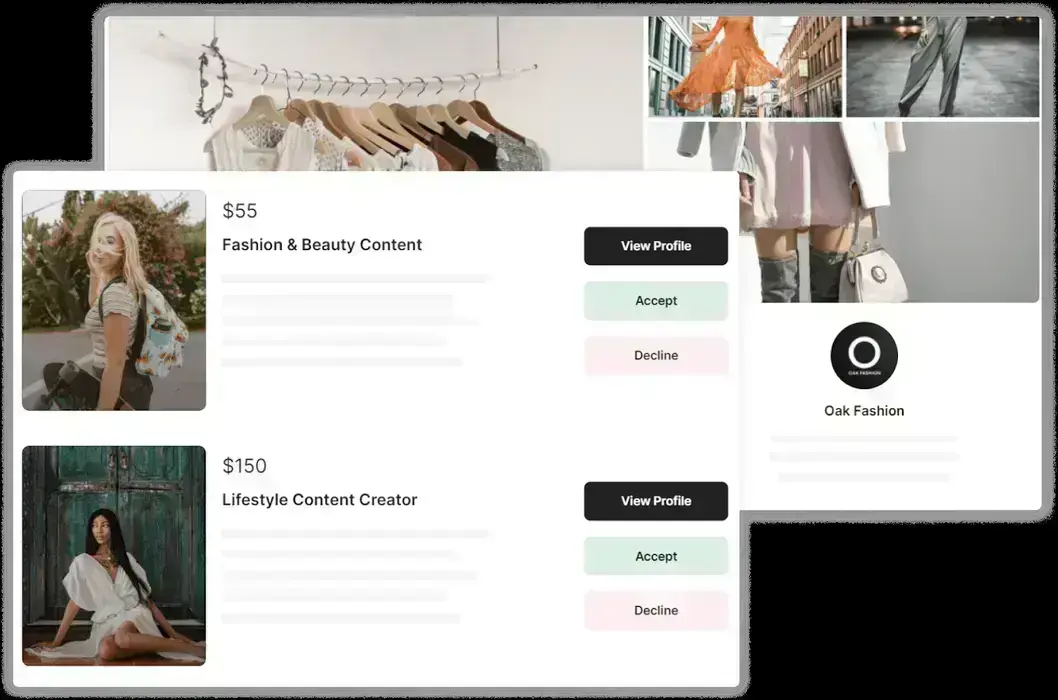
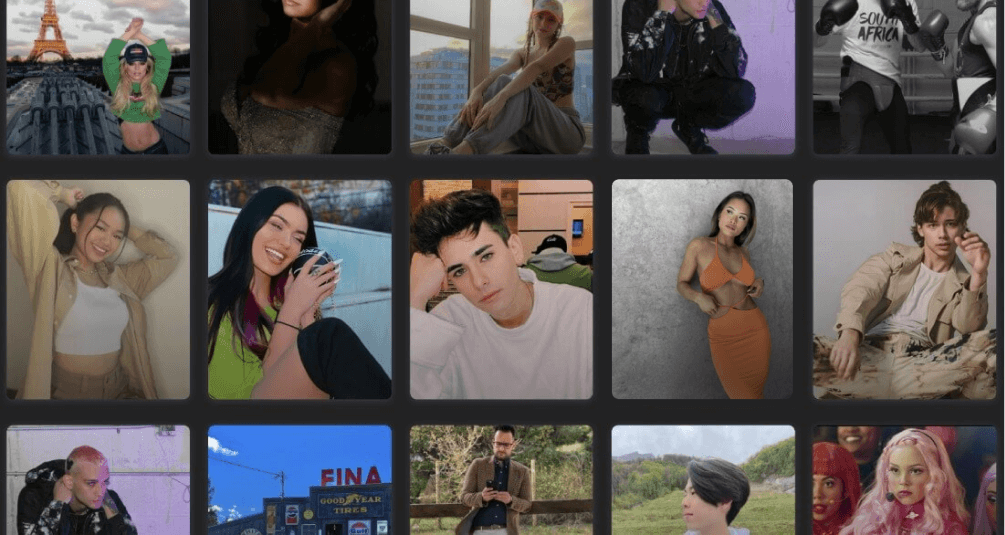
Collabstr: Collabstr is the largest self-serve marketplace and best influencer discovery tool, giving you access to over 170,000 influencers, including UGC creators. You can browse and message influencers for free, and many content creator packages on Collabstr start around the $50–$100 range.
-
SocialBook: Their “Product Launcher” small‑brand option is often cited as a budget-friendly solution; some collaborations reportedly begin at roughly $28.
-
Glewee: This platform offers access to a pool of micro‑influencers. While per‑collaboration rates hover around $100, its low monthly cost (or free‑access tiers depending on plan) makes it viable for small brands looking to launch early campaigns.
When under‑$100 platforms make the most sense:
-
For micro‑influencer or nano‑influencer campaigns: These creators tend to have lower follower counts and lower per‑post rates, which suits small budgets.
-
For testing a campaign concept or product: Small campaigns let you validate creative direction and audience response without a large upfront spend. If successful, you can explore further collaborations for larger-scale product launches.
-
For UGC (user‑generated content) or product‑seeding campaigns: Paying a low up‑front fee (or product + small cash compensation) can yield content assets that you repurpose across social, ads, and owned media, maximizing ROI.
TL;DR
Self-serve influencer marketing platforms give brands direct access to creators, transparent pricing, and fast campaign setup. They are a cost-effective alternative to enterprise software like Upfluence, GRIN, and CreatorIQ. For startups and small teams, low-cost platforms make micro-influencer campaigns and UGC content creation achievable without large subscription fees or long onboarding processes.
Self-Serve Influencer Marketing: Frequently Asked Questions
Are self-serve influencer marketing platforms better than enterprise software?
Self-serve platforms are better for startups, small teams, and brands with limited budgets because they provide direct access to creators and flexible, pay-per-project campaigns. Enterprise software is more suitable for large teams running complex campaigns with advanced analytics and CRM integrations.
Are there services to hire brands directly?
Yes, self-serve marketplaces let brands hire influencers directly without agencies, streamlining communication and payment. These platforms provide a centralized workflow for campaign setup, content approval, and payout.
Are there free alternatives to CreatorIQ?
Some platforms offer free or freemium access for brands to discover and contact influencers, such as Collabstr, Ainfluencer, and Afluencer. While software access is free, brands still pay creators for campaigns.
What platforms do brands use to test creators?
Brands often use self-serve influencer marketplaces or low-cost platforms to pilot campaigns with micro- or nano-influencers. This allows testing of audience engagement, content quality, and campaign messaging before scaling.
Are there influencer marketplaces that don’t charge monthly fees?
Yes, several platforms operate on a pay-per-project or freemium model, so brands only pay when they hire creators. Examples include Collabstr and Ainfluencer, which provide access to influencers without monthly subscriptions.