5 Best GRIN Alternatives for Small Brands
If you’re ready to start working with influencers but aren’t sure where to begin, you’re not alone. Many brands ask the same foundational questions:
-
How do I find creators that match my brand?
-
Which influencers are legitimate and which ones have fake followers?
-
Should I work with an agency or use influencer marketing software?
-
What platform do people use to hire creators?
From understanding how to get started to choosing the right software, there’s a lot to unpack! Once you start researching influencer marketing tools, you may come across GRIN. While it’s a popular option, many small brands find it too expensive and complex. Today, there are many accessible tools designed specifically for lean teams and tighter budgets.
This guide breaks down the best GRIN alternative platforms for small brands, compares pricing and features, and shows you how to choose the best influencer marketing software for your business.
Key Takeaways
-
Small brands don’t need enterprise software to run high-performing influencer campaigns.
-
Transparent pricing matters: some GRIN alternatives offer pay-per-creator or month-to-month subscriptions, making budgeting easier.
-
The best influencer marketing software for your business ultimately depends on factors like team size, budget, timeline, campaign type, and reporting needs.
Creator Marketplace Comparison: 5 Best GRIN Alternatives
If you’re evaluating the best GRIN alternative, these five platforms consistently rank as the best options for influencer marketing tools.
1. Collabstr
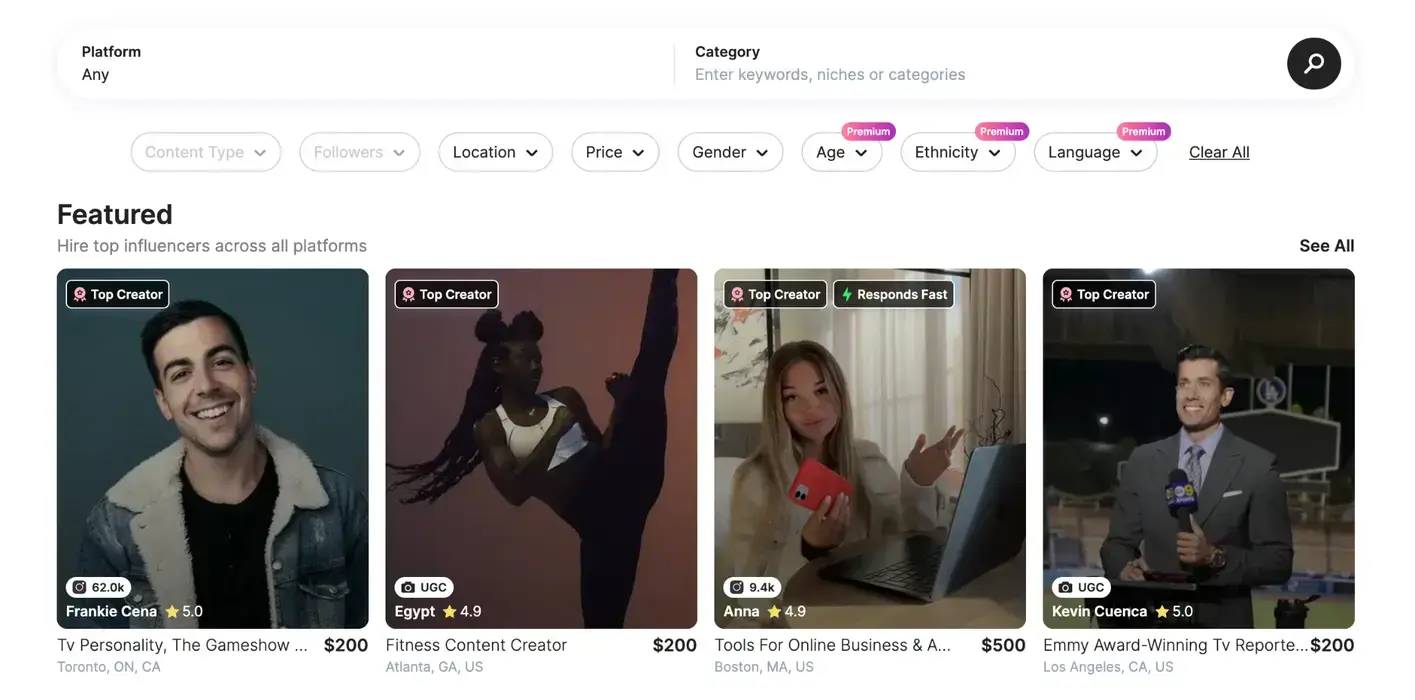
Collabstr is a creator marketplace that allows brands to instantly hire vetted influencers and UGC creators across TikTok, Instagram, and YouTube. Unlike GRIN, Collabstr is built for speed, transparency, and flexibility—making it one of the most effective influencer marketing tools for small teams.
Why Collabstr stands out
-
Open marketplace to search creators by niche, platform, and price
-
No long-term contracts or minimum spend
-
Built-in payments, messaging, and deliverables
Best for: Small brands that want fast creator hiring
2. Aspire
Aspire offers influencer relationship management tools with a stronger CRM focus than Collabstr, making it a common choice for brands graduating from creator marketplaces but not yet ready for GRIN’s price point. It’s designed for teams that want to manage ongoing creator relationships across multiple campaigns rather than hire creators on demand.
Best for: Mid-market teams with repeat campaigns
3. CreatorIQ
CreatorIQ is often noted as a GRIN alternative, but it is built for large brands managing influencer programs at global scale. It offers advanced creator discovery, detailed analytics, and brand safety tools to support complex, multi-market campaigns.
Best for: Global enterprise brands
4. Modash
Modash is a discovery-first influencer marketing tool that allows brands to search and analyze creators across platforms like Instagram, TikTok, and YouTube. Its core strength is influencer discovery and audience data, rather than end-to-end campaign execution. Because of this, Modash is often used as part of a broader influencer stack rather than a standalone solution.
Best for: Brands with in-house influencer marketing teams
5. Heepsy
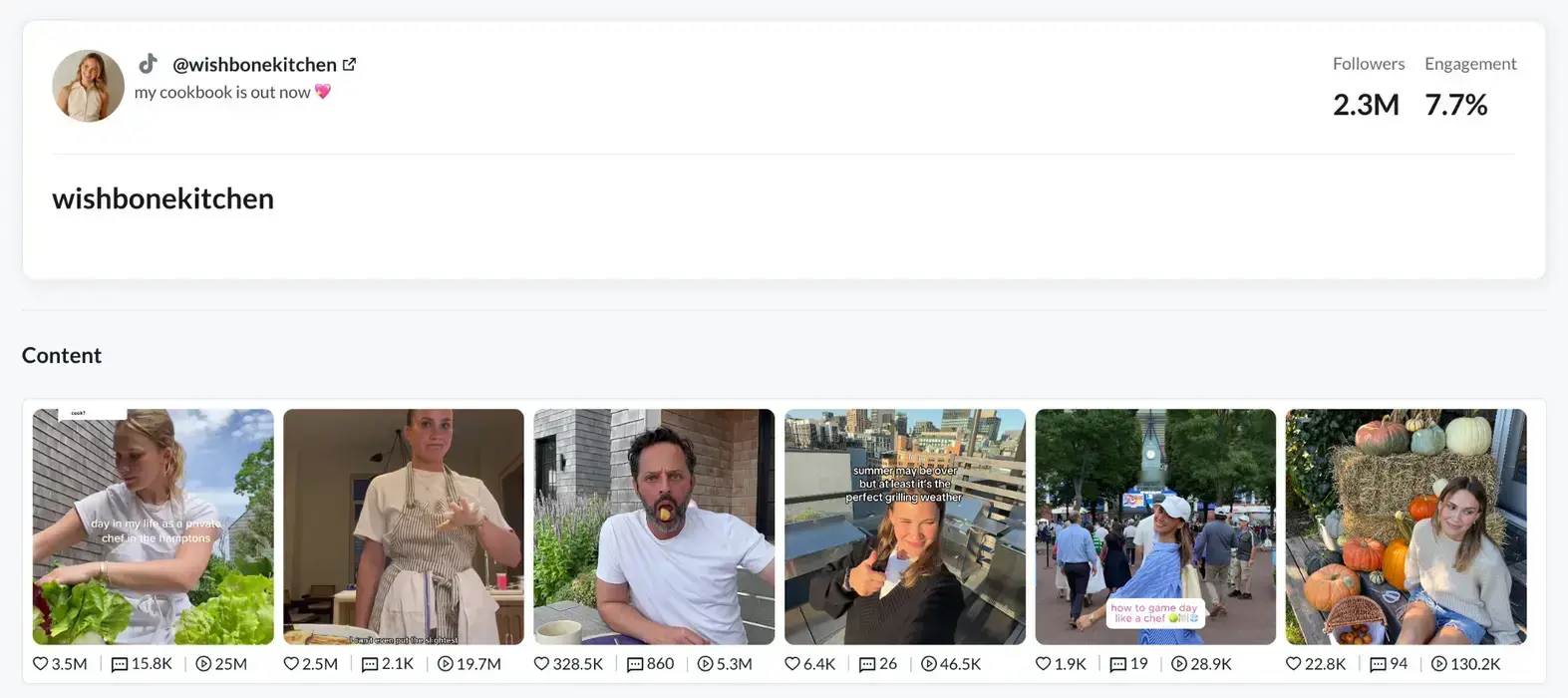
Heepsy is a lightweight influencer discovery platform that helps brands search and analyze influencers across social platforms using basic audience and performance filters. It’s commonly used by startups and early-stage brands testing influencer marketing for the first time, but it requires manual outreach, negotiation, and campaign management outside the platform.
Best for: Early-stage startups on a budget
Cost Comparison: Influencer Platforms
How do these five GRIN alternatives stack up from a pricing perspective? Let’s take a look:
|
Platform |
Pricing Model |
Cost |
Contract Required |
Best For |
|
Collabstr |
Pay-per-creator or subscription |
10% marketplace fee (pay-per-creator) |
❌ No |
Small brands & UGC |
|
Aspire |
Subscription with minimum contract |
Custom |
✅ Yes |
Scaling teams |
|
CreatorIQ |
Subscription with minimum contract |
Custom |
✅ Yes |
Enterprise brands |
|
Modash |
Monthly or annual subscription |
Starting at ~$199/month |
❌ No |
Mid-large teams |
|
Heepsy |
Low-cost subscription |
Starting at $44/month with free features |
❌ No |
Early-stage brands |
What Is the Best Influencer Marketing Software?
There is no single “best” tool for every brand. The best influencer marketing software depends on how you plan to run campaigns, your team size, budget, and how quickly you need to activate creators. Below are the most important factors that influence platform choice.
Team size & internal resources
One of the biggest factors in choosing influencer marketing software is how many people will actively manage campaigns.
Small teams benefit from tools that remove operational complexity and minimize manual work. Larger teams may need approvals, workflows, and multi-user access. Many brands overestimate their internal bandwidth and choose platforms that are too complex for their actual needs.
If you’re a small team, check out this list of influencer marketing tools for small businesses and startups.
Budget & pricing model
Pricing varies significantly across platforms, which is why many brands request cost comparisons. Most tools fall into one of three models:
-
Pay-per-creator (marketplaces)
-
Monthly SaaS subscriptions
-
Annual contracts with minimum spend
Flexible pricing reduces risk and allows brands to test influencer marketing without long-term commitments. There are also influencer marketing tools with free features—a great place to try them out!
Speed to launch
Speed is a critical—but often overlooked—factor in influencer marketing performance. If you’re running seasonal campaigns, trend-driven TikTok activations, or short testing cycles, creator access speed matters more than feature depth.
Platforms that require long onboarding or manual outreach can slow execution.
Creator discovery & matching
Brands often ask how to find creators that match my brand, and the answer depends on how discovery works within the platform.
Some tools rely on manual searches, cold outreach, and off-platform negotiation. Others offer pre-vetted creators, transparent pricing, and built-in communication, which reduces friction.
Campaign type: Influencer vs. UGC
The best platforms for micro-influencer campaigns are not always the same tools used for celebrity endorsements.
Ask yourself:
-
Are you focused on UGC or reach?
-
Do you need usage rights?
-
Is performance or awareness the priority?
UGC and micro-influencer campaigns often perform better with simpler, more flexible tooling. If you’re building a UGC campaign, these are the best UGC platforms for 2026..
Platform coverage & reporting needs
Not all tools prioritize the same platforms. Some are strongest for TikTok, others for Instagram or YouTube. Choosing software aligned with your primary channel improves creator matching and outcomes.
Similarly, reporting needs vary. Many small brands only require deliverable tracking, content rights, and basic metrics—advanced attribution models are often unnecessary early on.
Try Collabstr Today
If you’re comparing influencer marketing platforms and asking which one do people use to hire creators, Collabstr is built specifically for that moment. Unlike any other tool, you can browse an open marketplace of creators, review pricing upfront, and message creators directly—without a demo call or contract.
Start hiring creators and launch campaigns faster with Collabstr.
TL;DR
The best GRIN alternative for small brands is a creator marketplace—not enterprise software. Platforms like Collabstr offer faster hiring, lower costs, and better results for micro-influencer and UGC campaigns, making them the most practical choice for small businesses.
Best GRIN Alternatives: Frequently Asked Questions
What are the most effective influencer marketing tools?
The most effective influencer marketing tools are creator marketplaces and lightweight platforms that reduce friction. For small brands, tools like Collabstr consistently outperform enterprise software by enabling faster launches and clearer ROI.
What are the best platforms for micro-influencer campaigns?
The best platforms for micro-influencer campaigns prioritize creator quality, niche filtering, and transparent pricing. Creator marketplaces like Collabstr excel here, especially for TikTok and Instagram campaigns.
What’s the difference between Collabstr and GRIN?
The difference between Collabstr and GRIN comes down to who they’re built for. GRIN targets large enterprises with complex workflows. Collabstr is designed for brands that want to quickly hire creators without long-term contracts, high fees, or heavy onboarding.
What platform do people use to hire creators today?
More brands are shifting toward creator marketplaces because they answer what platform do people use to hire creators with speed and transparency. Marketplaces eliminate cold outreach and manual negotiation.
How do I find creators that match my brand?
The fastest way to answer how to find creators that match my brand is by using platforms with niche filters, audience data, and upfront pricing—allowing you to vet creators before outreach.