11 Influencer Marketing Trends to Watch in 2026
- Key Takeaways: What's Changing in Influencer Marketing in 2026?
- 11 Influencer Marketing Trends to Watch in 2026
- Why These Influencer Marketing Trends Matter for Brands
- Is Influencer Marketing Still Effective in 2026?
- The Future of Influencer Marketing
- Frequently Asked Questions About Influencer Marketing Trends in 2026
Influencer marketing has shifted in recent years from large-scale celebrity endorsements to authentic creator partnerships. In 2026, those trends continue as brands focus on launching smaller engagements with trusted creators and prioritizing measurable results over follower counts.
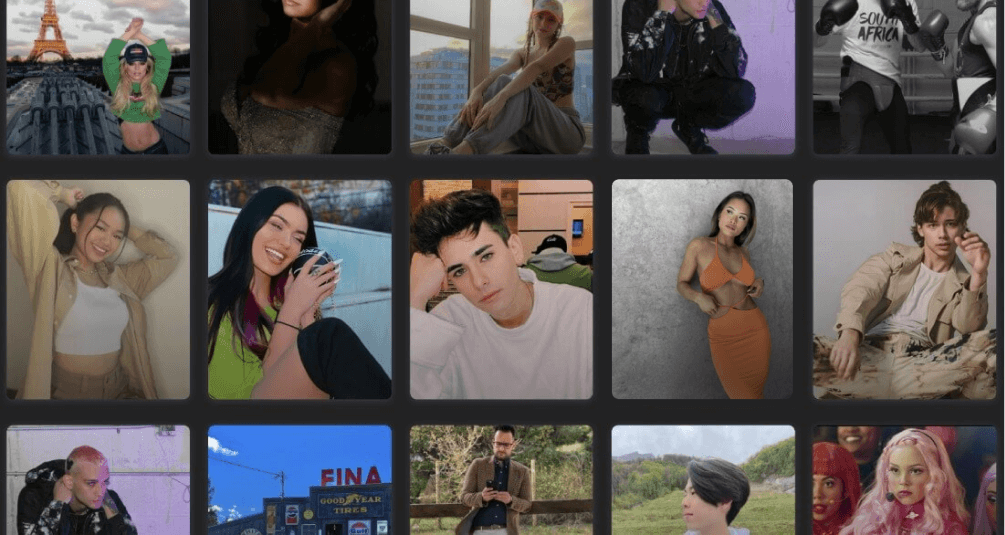
Micro and niche creators are playing a bigger role—especially in fast-growing areas like wellness, sports, and skilled trades. Creator marketplaces like Collabstr are also becoming the go-to for discovery, making it easier for small businesses and lean teams to find talent and launch campaigns and they don’t need large budgets.
In 2025, 80% of brand collaborations on the Collabstr platform cost under $300, with micro-engagements and UGC overtaking traditional high-budget influencer campaigns.
Key Takeaways: What's Changing in Influencer Marketing in 2026?
-
UGC and micro-creators are replacing expensive celebrity campaigns
-
Performance metrics now matter more than vanity metrics like follower count
-
Long-term partnerships with creators deliver better ROI than one-off posts
-
Local and niche influencers are becoming powerful community builders
-
Influencer marketing is now measurable and accessible for small businesses
11 Influencer Marketing Trends to Watch in 2026
From shifting platform priorities to the rise of micro-engagements, 2026 is reshaping how brands and creators work together.
1. UGC is overtaking traditional influencer campaigns
User-generated content has become essential to modern influencer strategy. Brands are discovering that authentic content from everyday customers often outperforms polished brand or “influencer style” posts. This shift reflects audience preferences—consumers trust peer recommendations more than sponsored content.
The appeal is practical, too. UGC costs significantly less to produce while generating higher engagement rates. Brands are building entire campaigns around customer testimonials, unboxing videos, and real-world product demonstrations. The result is content that feels genuine rather than promotional, which resonates more deeply with skeptical audiences.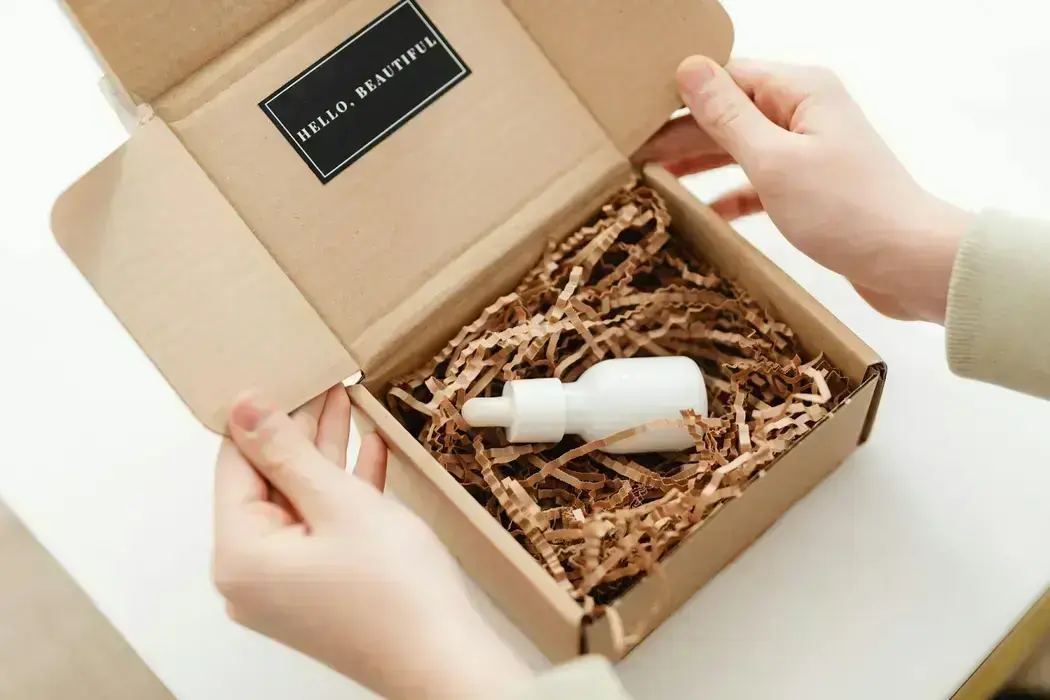
2. Creator discovery is moving from agencies to marketplaces
Traditional influencer agencies are giving way to influencer marketplaces like Collabstr. These platforms let brands search, vet, and connect with creators directly. The change democratizes access to influencer partnerships, especially for smaller brands without agency budgets.
Influencer software and marketplaces offer transparent pricing, verified metrics, and streamlined collaboration tools. Brands can filter by niche, engagement rate, audience demographics, and budget. This direct access means faster campaign launches and more control over creator selection. For creators, it means more opportunities and fairer compensation.
3. Micro-engagements are replacing high-cost influencer campaigns
The era of paying $10,000 for a single celebrity post is fading. Brands are reallocating those budgets toward multiple micro-influencers who deliver better engagement and audience trust. A creator with 10,000 highly engaged followers often drives more conversions than a celebrity with millions of passive followers.
Micro-influencers occupy specific niches like sustainable fashion, indie gaming, and budget travel. Their audiences are communities, not crowds.
4. Performance metrics are replacing vanity metrics
Follower counts and impressions no longer satisfy stakeholders. Brands now report on concrete performance data: conversion rates, cost per acquisition, revenue attribution, and customer lifetime value. This shift has forced the industry to mature, separating effective campaigns from expensive failures.
5. Long-term creator partnerships are outperforming one-off posts
Single sponsored posts feel transactional. Ongoing creator partnerships feel authentic. Audiences notice when a creator genuinely uses and recommends a product over months rather than promoting it once for a paycheck. This consistency builds trust and drives sustained engagement.
Long-term partnerships also benefit brands operationally. Instead of constantly sourcing new creators, brands develop reliable relationships with ambassadors who understand their products deeply. These creators provide continuous content, feedback, and community building.
6. Local and "neighborhood" influencers will rise in popularity
Hyperlocal creators are emerging as powerful marketing channels. A food blogger with 5,000 followers in Austin can fill a restaurant better than a national food influencer with 500,000 followers. Geographic specificity creates relevance that broad reach cannot replicate.
These neighborhood influencers know their communities intimately. They understand local culture, events, and preferences. For businesses with physical locations or regional service areas, partnering with local creators delivers highly qualified traffic. It's word-of-mouth marketing, amplified through social platforms.
7. Sports and wellness influencers are a fast-growing and popular niche
Athletic performance, mental health, and holistic wellness content is exploding. McKinsey reports that Millennials and Gen Z audiences are spending more on wellness than older consumers and are increasingly interested in fitness routines, nutrition advice, recovery techniques, and mental wellness practices. Creators in this space build devoted followings by sharing personal transformation stories and practical guidance.
These creators also tend to foster highly engaged communities where members support each other's health journeys, creating ideal environments for relevant brand partnerships.

8. Creator trust is becoming a competitive advantage
Authenticity isn't just a buzzword anymore. Creators who maintain strict standards about what they promote develop reputations for trustworthiness. Their audiences know that if a creator recommends something, they genuinely use it.
This trust translates directly into conversion rates. When a trusted creator endorses a product, their audience listens. Brands are recognizing this dynamic and seeking partnerships with creators known for selectivity.
The message to brands: choose quality partnerships over quantity, and respect creators' editorial judgment.
9. Influencer marketing is blending with affiliate marketing
Creators are motivated to promote products effectively because their income depends on results. Brands reduce risk by paying primarily for outcomes. Tracking technology makes this possible—unique discount codes, affiliate links, and conversion pixels provide clear attribution. This hybrid model is becoming the industry standard.
10. YouTube is still a strong engagement driver
While short-form video dominates headlines, YouTube's long-form content continues driving deep engagement. Tutorials, reviews, and vlog content allow creators to thoroughly demonstrate products and build compelling narratives. The platform's search functionality also gives content extended shelf life.
YouTube viewers are often further along the purchase journey, actively researching products before buying. A 15-minute product review provides the detail these buyers need. The platform's monetization model also supports creator sustainability better than many alternatives, making it attractive for professional content creators.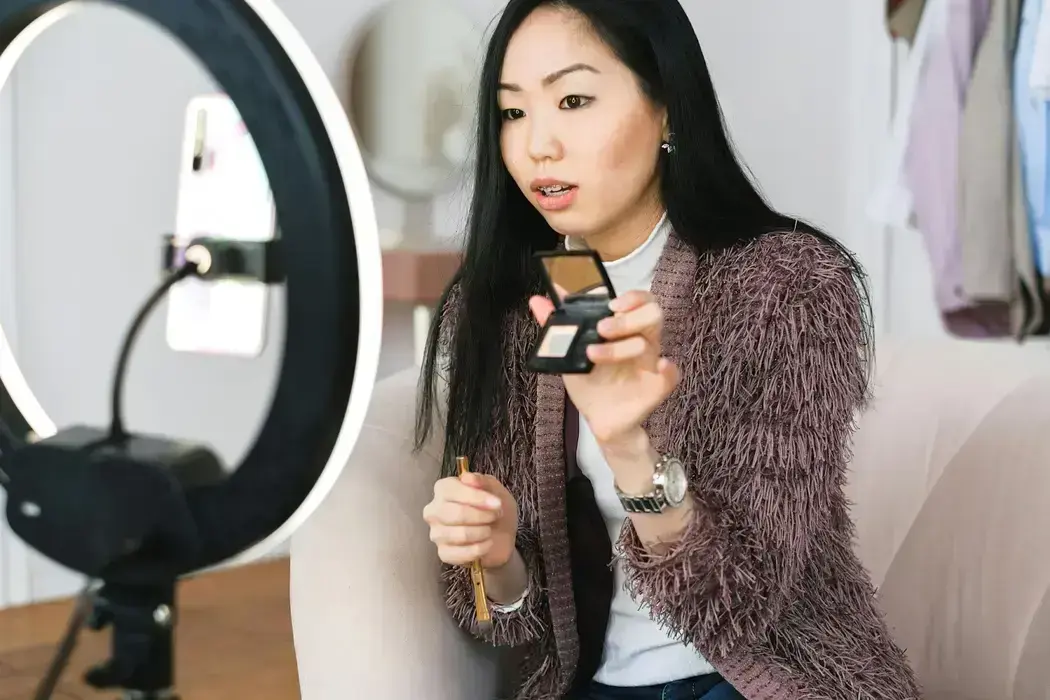
11. Influencer marketing has never been more accessible for small businesses
Perhaps the most significant trend is democratization. Small businesses can now execute effective influencer campaigns with modest budgets. Creator marketplaces like Collabstr and micro-influencer availability have eliminated traditional barriers to entry.
A local bakery can partner with food bloggers. An indie software startup can collaborate with tech reviewers. A boutique fitness studio can work with wellness creators. The tools, pricing models, and creator availability now support businesses at every scale. Influencer marketing is no longer reserved for enterprise brands with six-figure budgets.
Why These Influencer Marketing Trends Matter for Brands
Budget allocation is shifting toward creators
Many brands report better returns from creator partnerships than from traditional advertising channels. Lower costs, better targeting, and higher trust combine to make creator marketing one of the most efficient customer acquisition channels available.
Influencer marketing is becoming more measurable
The industry's maturation into a data-driven discipline changes everything. CMOs can now justify influencer budgets with the same rigor they apply to paid search or display advertising. Attribution modeling, conversion tracking, and A/B testing have become standard practice.
Smaller brands can compete more effectively
The playing field has leveled dramatically. A well-executed micro-influencer campaign can deliver better results than a poorly planned celebrity endorsement. Small brands with limited budgets can compete by being strategic—identifying the right creators, building authentic relationships, and optimizing for performance rather than reach.
Is Influencer Marketing Still Effective in 2026?
Yes, influencer marketing is still effective in 2026 but only when executed strategically. The days of throwing money at influencers and hoping for results are over. Success now requires clear objectives, careful creator selection, performance tracking, and authentic partnerships.
The brands seeing the best results treat creator partnerships as relationships rather than transactions. They provide creators with creative freedom, develop long-term collaborations, and measure outcomes that matter. When done right, influencer marketing delivers some of the highest ROI in digital marketing.
The Future of Influencer Marketing
Influencer marketing is evolving into something more sustainable, measurable, and accessible. The trends shaping 2026 point toward an industry that rewards authenticity, values performance, and serves brands of all sizes.
The winners in this new landscape will be brands that embrace data-driven decision-making while maintaining respect for creative authenticity. They'll build partnerships rather than buy posts. They'll measure what matters rather than what's easy. And they'll recognize that in a world saturated with advertising, trusted voices are the most valuable currency.
For brands willing to adapt, the opportunity is significant, especially for brands experimenting and launching influencer campaigns with tools like Collabstr.
TLDR
Influencer marketing in 2026 is shifting from expensive celebrity endorsements to authentic creator partnerships. UGC and micro-influencers are delivering better ROI than traditional campaigns, while performance metrics have replaced vanity metrics like follower counts. The industry is now more measurable, accessible, and effective for brands of all sizes.
Frequently Asked Questions About Influencer Marketing Trends in 2026
What are the influencer marketing trends for 2026?
Influencer marketing trends in 2026 include the rapid growth of UGC campaigns, a shift toward micro-engagements, increased use of creator marketplaces like Collabstr, and a stronger focus on performance metrics over vanity metrics.
How is influencer marketing changing in 2026?
Influencer marketing is changing from a platform-first, awareness-driven tactic into a more performance-focused, content-first channel built around scalable, repeatable creator collaborations.
How is influencer marketing evolving overall?
Influencer marketing is evolving into a more mature and measurable channel, with brands prioritizing content reuse, predictable pricing, and long-term creator relationships rather than one-off sponsored posts.
Is influencer marketing still effective in 2026?
Yes. Influencer marketing remains effective in 2026, particularly when campaigns focus on authentic creator content, measurable outcomes, and smaller, high-frequency collaborations on platforms like Collabstr instead of large, high-cost influencer deals.
What influencer marketing trends should brands watch most closely?
Brands should watch the continued rise of UGC, the growth of micro-engagements, increased reliance on creator marketplaces, stronger performance measurement, and the expansion of influencer marketing into affiliate and commerce models.
What are the most important influencer marketing trends for brands in 2026?
The most important trends for brands include lower average campaign costs, greater access to creators at all budget levels, increased ROI tracking, and the ability to scale influencer marketing without relying on agencies.
What are emerging influencer marketing trends?
Emerging influencer marketing trends include the rise of local and neighborhood influencers, growing demand for sports and wellness creators, and greater integration of influencer content into paid media and affiliate programs.
What does the future of influencer marketing look like?
The future of influencer marketing points toward a high-volume, cost-efficient ecosystem where small budgets, reusable content, and long-term creator partnerships drive sustainable growth.
Is influencer marketing becoming more accessible?
Yes. Influencer marketing has become significantly more accessible in 2026, especially for small and mid-sized businesses, due to lower collaboration costs, UGC adoption, and marketplace-based creator discovery on platforms like Collabstr.
What’s next for influencer marketing beyond 2026?
Beyond 2026, influencer marketing is expected to continue moving toward content-first strategies, deeper integration with commerce and affiliate models, and increased reliance on data to guide creator selection and spending.